
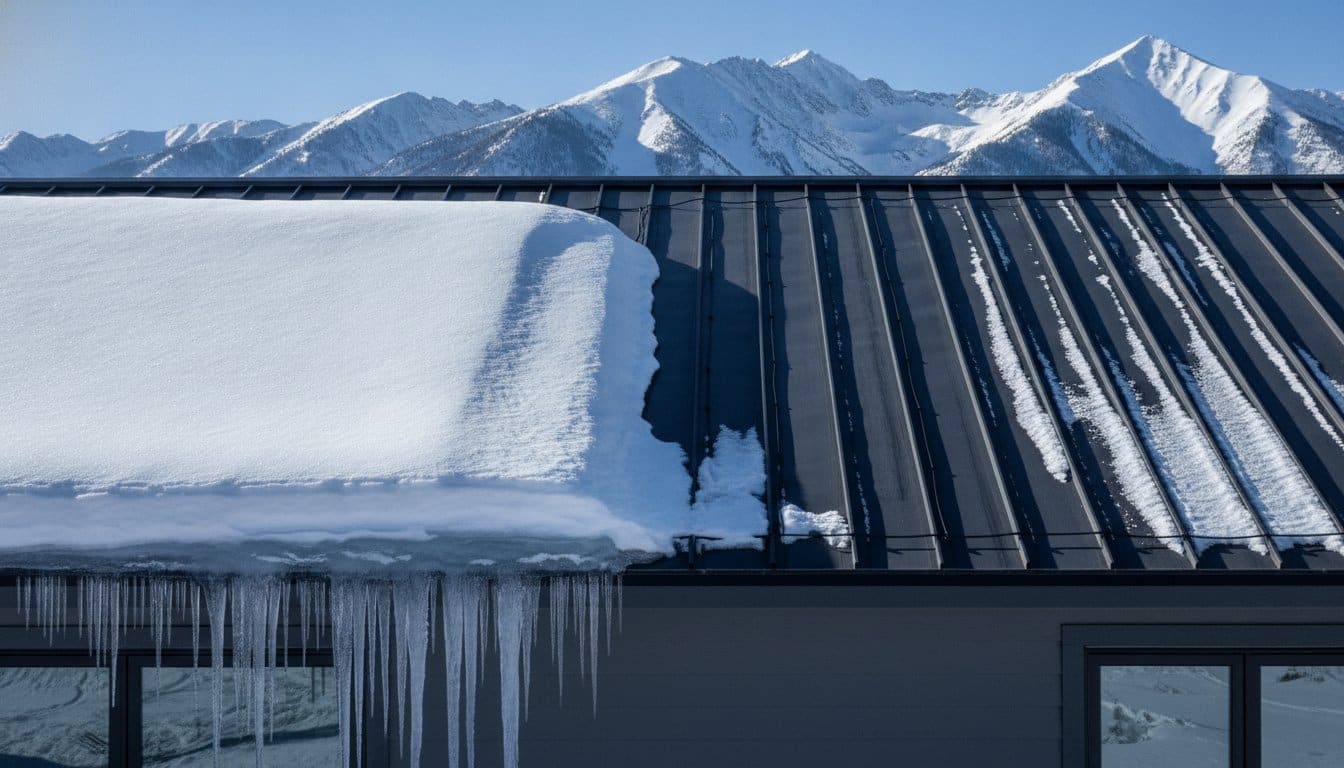
You’ve spent the weekend on a ladder installing “heat tape” from a big-box store, yet Monday morning reveals the same massive ice dams creeping up your shingles. It’s a frustrating, cold reality for many property owners in Utah and Idaho who realize too late that a plug-in cable isn’t a substitute for an engineered solution. Achieving a truly maintenance-free winter requires a shift toward professional heat trace design, a discipline that balances electrical safety with high-performance thermal physics to ensure your home stays protected when the snow starts to pile up.
You likely agree that a safety system shouldn’t be the source of your anxiety, especially when low-quality cables pose real risks of electrical fires or sky-high utility bills. This guide will help you master the complexities of heat trace engineering to protect your property from ice dams, frozen pipes, and structural damage once and for all. We’ll walk through the latest 2026 NEC standards, the energy-saving power of smart controllers, and how to build a code-compliant system that remains reliable for more than ten years.
Key Takeaways
- Learn how professional heat trace design moves beyond temporary hardware store fixes to provide a custom-engineered shield against heavy Utah snow loads.
- Discover why the 2026 NEC standards require specific electrical safeguards that only a licensed contractor should implement to ensure your property’s safety.
- Understand the technical differences between self-regulating and constant wattage cables so you don’t overpay on your monthly energy bills.
- Master the specific layout strategies needed for north-facing roofs and deep valleys where standard installations often fail to prevent ice dams.
- Gain insights into achieving a maintenance-free winter with a system designed to protect your home’s structural integrity for over ten years.
What is Professional Heat Trace Design and Why Does It Matter?
Many property owners mistake hardware store “heat tape” for a permanent safety solution. In reality, trace heating is a specialized field of electrical engineering that requires precision. Professional heat trace design involves a custom-engineered layout of heating cables and controls specifically calibrated to manage ice on your unique structure. Generic, off-the-shelf solutions often fail under the extreme winter conditions of 2026 because they aren’t built for the high-altitude snow loads found in Utah and Idaho. If a system isn’t designed for the specific pitch, material, and orientation of your roof, it simply won’t provide the protection you need.
The Science of Ice Prevention
The physics of an ice dam are simple but destructive. Heat from the building interior warms the roof deck, which melts the snow from the underside. As this water reaches the unheated overhangs, it refreezes into a solid barrier. This dam then forces liquid water upward under your shingles, leading to rot and leaks. Specialized design targets these specific vulnerability points by creating a “melt path” that stays open regardless of the ambient temperature. By disrupting the thermal bridge at the roof edge, we ensure water reaches the gutters and downspouts safely. At its core, heat trace design is a balance of BTU output and environmental heat loss.
Economic and Safety Benefits
Investing in an engineered system offers peace of mind that goes beyond simple de-icing. Water damage to roof decks and interior ceilings is expensive to remediate, often costing thousands in hidden repairs. A well-designed system prevents these recurring costs and extends the life of your roofing materials. For business owners, professional design is essential for industrial roof ice prevention, as it mitigates the risk of falling ice and slippery walkways. Modern systems are also much more efficient than their predecessors. By using smart controllers with moisture and temperature sensors, a professional heat trace design can reduce energy waste by up to 80% compared to “always-on” manual cables. This level of control ensures your system remains operational for over a decade without wasting resources.
The 4 Critical Pillars of Heat Trace Engineering
Engineering a system that survives a Wyoming blizzard or a Wasatch mountain winter requires more than just high-quality parts. It demands a structured approach to technical variables that most DIY installations ignore. According to the IEEE 515 industry standard, effective professional heat trace design must account for rigorous environmental testing and precise electrical safety protocols. We break this process down into four critical pillars: thermal load calculations, material selection, electrical infrastructure planning, and automated control integration.
Thermal Load and Heat Loss Calculations
To keep a roof edge or a pipe clear, we must calculate exactly how much heat is lost to the atmosphere. This isn’t a guess; it’s a calculation based on local Utah climate data. We factor in average wind speeds, ambient temperatures, and the R-value of your building’s insulation. If your insulation is poor, more heat escapes the building, which changes the required “watts per foot” needed from the cable. We use specialized software to map these heat distributions, ensuring that complex valleys and dormers receive adequate coverage without wasting energy on flat, well-insulated sections.
Self-Regulating vs. Constant Wattage Selection
Choosing the right cable is the difference between a system that lasts twelve years and one that fails in three. A self-regulating heat cable is generally the gold standard for residential and commercial safety. These cables feature a conductive carbon core that expands or contracts based on the temperature. When it’s cold, the core contracts, allowing more electricity to flow and generating more heat. As it warms up, the core expands, naturally reducing the output. While constant wattage systems still have a place in specific industrial applications requiring high, steady temperatures, self-regulating technology prevents the overheating risks common with older “heat tape” products.
Control Systems and Automation
The final pillar is how the system “thinks.” A manual switch is often forgotten, leading to either frozen gutters or massive energy bills. Modern professional heat trace design integrates moisture and temperature sensors that only activate the system when both freezing temperatures and precipitation are present. We often design for “Zoned” heating, where south-facing roof sections that receive natural sun melt are controlled separately from shadowed, north-facing valleys. For commercial facility managers, remote monitoring allows you to check system health from a smartphone. If you aren’t sure which controller fits your property, the experts at Utah Heat Cable can help you evaluate your specific needs.
Designing for Utah’s Extreme Snow Loads and Architecture
High-altitude regions like Park City, Jackson Hole, or the Star Valley present environmental variables that standard electrical manuals often overlook. In these areas, the sheer volume of snow can overwhelm systems designed for more temperate climates. A professional heat trace design must account for these extreme variations in snow weight and melt rates. While a standard pitch might shed snow easily, the massive accumulation on the Wasatch Front can bury gutters under feet of ice if the drainage path isn’t specifically engineered to handle the load. We prioritize a design that anticipates these heavy cycles, ensuring your property remains a safe haven rather than a liability during a record-breaking winter.
The Synergy of Heat Trace and Snow Guards
Metal roofs are increasingly popular in the Intermountain West, but they are notoriously difficult to manage in the winter. Because metal is a poor insulator and creates a low-friction surface, snow often slides off in dangerous “avalanches” that can damage landscaping or injure passersby. While heat cable prevents the ice dam at the eave, it doesn’t stop the weight of the entire snowpack from shifting at once. Effective designs integrate snow retention systems for metal roofs to hold the snow in place while the cable creates a controlled melt. We carefully map cable patterns to weave around snow fence brackets, ensuring that every drop of melted water has a heated, unobstructed path to the ground level without refreezing at the roof edge.
Complex Rooflines and Valleys
North-facing roof sections are the most common failure points because they rarely receive direct sunlight to assist with natural melting. In these zones, we use “serpentine” patterns that extend higher up the roof deck to clear a wider area of the eave. Deep valleys and “cricket” areas behind chimneys are also high-risk zones where snow drifts naturally accumulate and exert immense pressure. A professional heat trace design for a steep residential pitch focuses on rapid drainage, whereas flat commercial roofs require a different strategy. On flat surfaces, we prioritize maintaining clear channels to primary drains and scuppers to prevent standing water. This prevents the weight-related structural failures common in older buildings. We also pay close attention to the transition between the roof and the gutter. If the cable doesn’t wrap into the gutter and downspout properly, a “cold spot” forms, allowing ice to bridge the gap and eventually rip the gutter from the fascia.

Code Compliance and Safety in Professional Design
Electrical safety isn’t an optional upgrade; it’s the foundation of any reliable system. Because heat tracing involves high-voltage equipment installed in wet, freezing environments, the margin for error is zero. A professional heat trace design must be executed by a licensed electrical contractor to ensure the installation meets the rigorous standards of the 2026 National Electrical Code (NEC). While a general handyman might understand how to clear a gutter, they lack the specialized training to manage the complex circuitry and grounding requirements that prevent electrical fires and equipment failure.
The 2026 updates to NEC Article 426 and Article 427 have introduced stricter requirements for fixed outdoor de-icing equipment. These regulations mandate that all systems be permanently hardwired into weather-rated junction boxes rather than using temporary “plug-and-play” consumer kits. These retail kits often violate local building codes because they lack the robust insulation and permanent connections required for long-term outdoor use. Beyond simple installation, we perform rigorous testing protocols, including Megger testing, to verify insulation resistance. This high-voltage test ensures that the cable jacket hasn’t been nicked or compromised during the layout process, which is a critical step in maintaining a safe environment.
Ground-Fault Protection Requirements
One of the most common mistakes in DIY installations is the use of standard GFCI outlets. These are designed to trip at 5mA to protect humans, but the natural “leakage” of a long heat trace run will cause them to trip constantly. This leads to “nuisance tripping,” where the system shuts down exactly when you need it most. To solve this, professional heat trace design utilizes Equipment Protection Device (EPD) breakers. The 2026 National Electrical Code mandates that de-icing systems utilize Ground Fault Equipment Protection (GFEP) breakers with a 30mA trip level to balance safety with system reliability.
The Risks of Improper Design
When a system isn’t engineered correctly, the consequences go beyond a frozen pipe. Overlapping constant-wattage cables can create hot spots that eventually melt through the cable jacket, leading to arcing and potential fire hazards. Furthermore, improper clip attachment can penetrate your roof membrane or damage your gutters, leading to structural rot. From an insurance perspective, an unpermitted or non-compliant installation can be grounds for denying a claim if a fire or leak occurs. A professional design provides a paper trail of compliance that protects your property and your coverage. If you want to ensure your home meets every local safety standard, you should consult with a licensed electrical contractor who specializes in these complex systems.
The Utah Heat Cable Approach to Custom Design
At Utah Heat Cable, we believe that effective protection starts with a deep understanding of local mountain geography. We don’t just sell cable; we provide a comprehensive safety shield that bridges the gap between master craftsmanship and rigorous electrical engineering. Every project begins with a site-specific evaluation where we analyze roof pitch, drainage patterns, and historical snowfall data for your specific area, whether you’re in the valleys of Tooele or the peaks of Park City. This methodical process ensures that your professional heat trace design is built to last, moving seamlessly from engineering to code-compliant activation.
For our commercial and industrial clients, we specialize in industrial roof ice prevention. This involves more than just melting snow; it’s about preserving structural integrity and reducing long-term liability. We provide the same level of precision for large-scale residential developments, offering tailored ice dam prevention for HOAs. By implementing centralized control systems, we allow property managers to monitor performance across multiple buildings from a single interface. This approach ensures the professional heat trace design balances high-performance protection with the need for transparent budgeting and energy efficiency, ensuring that shared assets remain protected without unnecessary overhead.
Tailored Solutions for Commercial and HOA Properties
Managing large properties requires a strategic view of both physics and finance. When designing for HOAs, we prioritize systems that minimize maintenance while maximizing coverage for high-risk common areas. We’ve solved complex drainage issues in Brian Head and Park City where standard installations failed, proving that a custom-engineered path is the only way to prevent recurring damage. Our team works closely with boards and facility managers to plan deployments that fit within capital improvement budgets without compromising on the quality of the self-regulating cables or the safety of the electrical infrastructure.
Residential Protection for High-Value Homes
High-value residential properties require a different kind of finesse. We understand that your home’s architectural beauty shouldn’t be compromised by bulky, unsightly cables. Our team uses discreet installation techniques that hide the hardware while maximizing thermal output. We often integrate roof systems with driveway and sidewalk de-icing to create a total property solution. This holistic approach ensures that every melt path is clear, from the highest peak of your roof to the street level. Our commitment to quality doesn’t end when the snow melts; we offer ongoing support to ensure your system exceeds its ten-year lifespan. If you’re ready to secure your property before the next winter storm, request a professional heat trace design consultation from Utah Heat Cable today.
Prepare Your Property for a Maintenance-Free Winter
Winter in the Mountain West is unforgiving; it tests the limits of your building’s structural integrity every year. By shifting from temporary fixes to a professional heat trace design, you’re investing in a long-term safety shield that guards against ice dams and electrical hazards. We’ve explored how proper thermal load calculations, 2026 code-compliant electrical work, and smart automation work together to create a system that lasts for over a decade. Whether you’re managing a complex HOA development or protecting a high-value residence, the combination of engineering and master craftsmanship is the only way to ensure total reliability.
As a licensed electrical contractor and specialist in Utah’s extreme climate, Utah Heat Cable provides custom-engineered solutions for both commercial and residential properties. You don’t have to wait for the first heavy snowfall to discover the weaknesses in your roof’s drainage. Taking action now means you can enjoy the peace of mind that comes from professional-grade protection. Secure Your Property with a Custom Heat Trace Design today and face the coming season with confidence.
Frequently Asked Questions
What is the difference between heat tape and professional heat trace?
Heat tape is a consumer-grade, plug-in product designed for temporary use, while professional heat trace is an engineered, hardwired system built for permanent installation. Professional systems use industrial-grade cables that are custom-cut and integrated into weather-rated junction boxes. This ensures a much higher level of durability and compliance with the 2026 National Electrical Code, whereas retail tape often lacks the thermal management and robust insulation required for heavy mountain snow loads.
How long does a professionally designed heat trace system last?
A high-quality system that is properly installed can exceed a lifespan of ten years with minimal upkeep. The durability of the system depends on the quality of the cable jacket and the precision of the initial professional heat trace design. Because these components are designed to withstand UV exposure and extreme temperature fluctuations, they outlast temporary retail solutions by a significant margin. Regular off-season inspections help ensure the electrical connections remain secure for a decade of service.
Do I need a licensed electrician for heat cable installation in Utah?
Yes, the state of Utah requires a licensed electrical contractor to perform heat cable installations because they involve high-voltage wiring and permanent connections. Professional installers ensure that the system is hardwired according to the latest NEC standards, including the mandatory use of 30mA Ground Fault Equipment Protection (GFEP) breakers. Hiring a specialist protects your property from the fire hazards associated with improper grounding or overloaded circuits that unlicensed handymen might overlook.
Can heat trace cables be used on metal roofs with snow guards?
Absolutely, and this combination is often the most effective way to manage winter hazards on metal surfaces. While snow guards prevent dangerous roof avalanches by holding the snowpack in place, the heat cable creates a clear melt path for water to reach the gutters. Our team designs specific patterns that navigate around snow fence brackets, ensuring that melted snow doesn’t refreeze behind the guards and create a secondary ice dam.
How much energy does a professional heat trace system consume?
Energy consumption varies based on the total linear footage and the ambient temperature, but modern smart controllers can reduce energy waste by up to 80% compared to manual systems. By using sensors that only activate the cables during specific moisture and temperature conditions, the system avoids running during dry, sunny days. A well-executed professional heat trace design prioritizes this efficiency, ensuring that you only pay for the heat necessary to keep your drainage paths clear.
What is the best way to control a heat trace system automatically?
The most efficient method involves using a digital controller equipped with both temperature and moisture sensors. Unlike a simple thermostat that only detects cold, these advanced controllers ensure the system only draws power when precipitation is actually present. This dual-sensing technology prevents the system from running “dry,” which saves on utility costs and extends the life of the heating core. For large commercial properties, these controllers can also offer remote monitoring capabilities.
Why is self-regulating cable safer than constant wattage cable?
Self-regulating cable is inherently safer because it automatically adjusts its heat output at every point along the run based on the surrounding temperature. If the cable overlaps itself, the core naturally reduces its output to prevent overheating and burnout. In contrast, constant wattage cable maintains a steady heat level regardless of the environment; if it is improperly installed or overlaps, it can create dangerous hot spots that lead to cable failure or fire hazards.
What maintenance is required for a commercial heat trace system?
Annual inspections are the best way to ensure a commercial system remains operational before the first freeze. A professional walkthrough includes checking the gutters for debris that could trap heat, inspecting cable jackets for mechanical damage, and performing insulation resistance testing. These proactive steps allow facility managers to identify and repair minor issues during the fall, preventing costly ice damage or emergency electrical repairs once the winter season begins in earnest.