
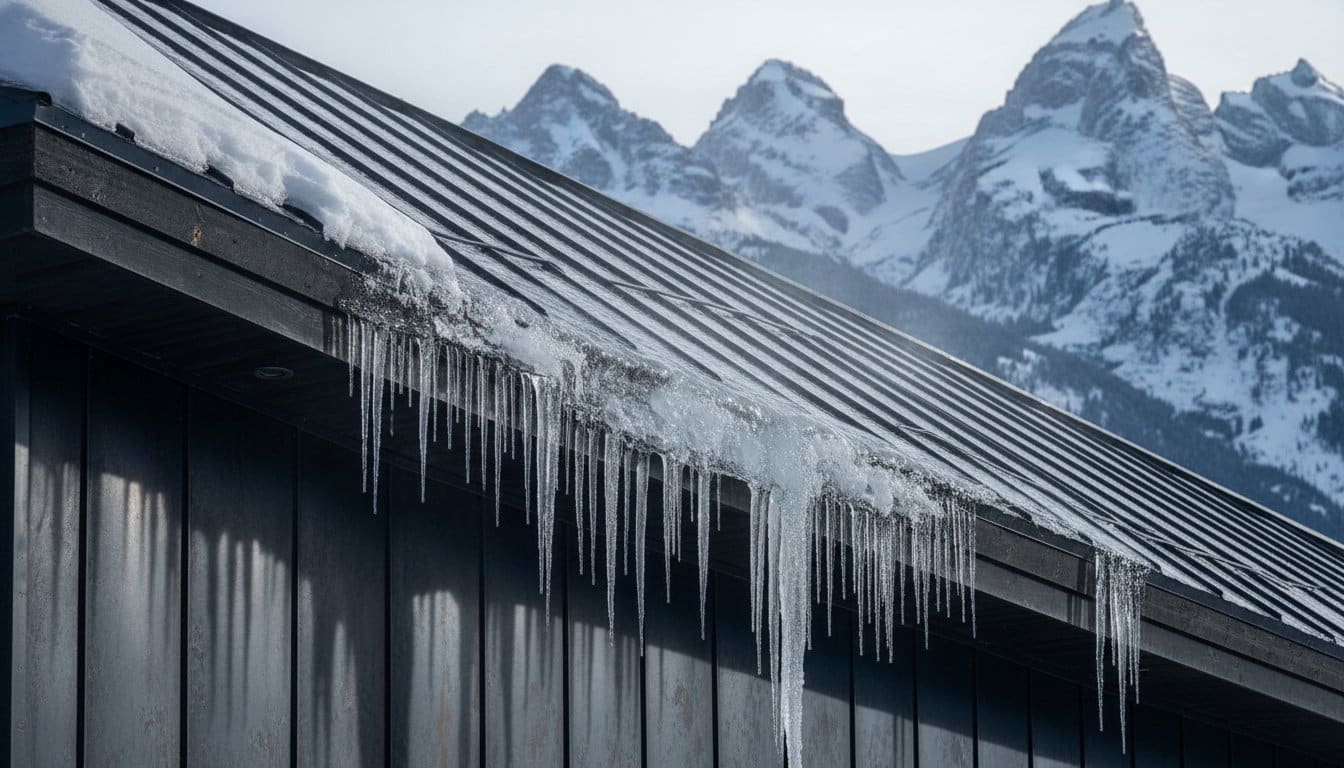
Why does that hardware store “heat tape” always seem to quit just when the January storms hit hardest? If you’ve spent your winters chipping away at frozen gutters or watching your energy bill climb while ice dams still form, you’re not alone. Many homeowners across Utah, Idaho, and Wyoming find themselves stuck in a frustrating cycle of recurring roof leaks and cable failures. It’s exhausting to worry about your home’s safety every time the snow starts to pile up on a complex roofline.
You deserve a protective system that actually performs when the temperature drops. This guide will show you how self regulating heat cable protects your property more efficiently and reliably than traditional alternatives. We’ll explore how this intelligent technology automatically adjusts its heat output to lower your energy costs and provide professional-grade protection for ten years or more. We’ll also break down the 2026 National Electrical Code updates and safety requirements that make expert installation essential for your peace of mind this winter.
Key Takeaways
- Understand how the “smart” conductive carbon matrix in a self regulating heat cable automatically adjusts its heat output based on the outside temperature to prevent ice dams.
- Learn why self-regulating systems are safer and more energy-efficient than constant wattage cables, effectively eliminating the risk of dangerous hot spots on your roof.
- Identify the critical areas of your roof, such as valleys and north-facing eaves, that require targeted protection to maintain clear drainage paths for meltwater.
- Discover the technical differences between retail-grade “heat tape” and professional fluoropolymer-jacketed systems designed to last for over a decade.
- Recognize why de-icing systems are complex electrical projects that require dedicated GFCI circuits to meet the latest safety and building codes.
What is Self-Regulating Heat Cable and How Does it Work?
Most homeowners think of heat tape as a simple “on or off” wire. However, a professional self regulating heat cable operates with much higher intelligence. It’s a specialized form of Heat tracing designed to respond to the environment in real-time. Instead of putting out a fixed amount of heat regardless of the weather, this cable senses the temperature of the roof or gutter it’s touching. If it’s 10 degrees outside, the cable works harder. If it’s 40 degrees, it throttles back to save energy. This responsiveness is what makes it the gold standard for protecting homes in the Intermountain West.
The Science of the Conductive Core
The secret lies in the space between the two copper bus wires. This area is filled with a specialized conductive carbon matrix. When temperatures drop, this material physically contracts. This contraction brings carbon particles closer together, creating thousands of microscopic electrical paths. More paths mean more heat. As the sun comes out and the roof warms up, the matrix expands, pulling those particles apart and naturally reducing the flow of electricity. This conductive carbon matrix acts as the “brain” of the cable, making decisions every inch of the way. Because it works at the molecular level, one section of the cable in a shaded gutter can run at full power while another section in the sun stays at a low simmer.
Why “Self-Regulating” is Often Misunderstood
Many people assume that “self-regulating” means the system turns itself completely off when the snow melts. That isn’t quite true. Even in mild weather, the cable stays in a low-power “idle” state unless it’s disconnected by an external controller or sensor. It’s still significantly more efficient than constant wattage cables, which burn at 100% capacity until you pull the plug. While the cable manages its own heat output, it’s different from a thermostatically controlled system. A thermostat is an external switch that cuts power based on air temperature; the cable itself manages its internal resistance.
Another key benefit is its self-limiting nature. Because the cable reduces its own output as it gets warmer, it won’t overheat or burn out if the wires happen to touch or overlap in a tight gutter. This makes it a much safer choice for complex residential roofs. It’s also vital to remember that while this cable prevents ice from forming, it doesn’t replace the need for proper attic insulation. It’s a tool for managing meltwater and protecting your eaves, not a fix for a poorly sealed home. When we design these systems for clients in Utah or Idaho, we focus on this technology because it provides the durability required for our heavy snow loads.
Self-Regulating vs. Constant Wattage: Which is Better for Your Roof?
When choosing a system for Preventing Roof Ice Dams, you’ll encounter two main technologies: constant wattage and self-regulating. While constant wattage cables are often cheaper upfront at big-box stores, they operate at a fixed heat output regardless of the temperature. This means they consume the same amount of power on a sunny 40-degree afternoon as they do during a midnight blizzard. For a homeowner in the Intermountain West, this inefficiency leads to needlessly high utility bills and a system that lacks the intelligence to handle our variable freeze-thaw cycles.
Energy Consumption and Utility Costs
The variable output of a self regulating heat cable is its greatest financial advantage. It throttles down when the roof warms up, which prevents you from paying for heat you don’t need. When we pair these systems with moisture and temperature sensors, the efficiency increases even further. The system only wakes up when snow is actually present and the temperature is in the danger zone for ice formation. Over several Utah winters, the savings on utility bills often pay for the difference in cost between professional hardware and retail-grade tape. It’s a classic case of investing in quality to save on operational expenses over the long term.
Safety and Fire Prevention
Safety is where the two technologies drift furthest apart. Constant wattage cables are prone to “hot spots.” If the cable gets covered by leaves or if two loops accidentally touch, the heat can’t escape. This buildup can melt the cable jacket or even ignite roofing materials. In contrast, professional-grade self-reg cable is designed with a tinned copper overbraid for superior grounding. It meets strict National Electrical Code (NEC) standards because it’s physically incapable of overheating itself, even if the cable is overlapped. If you’re looking for a system that provides professional-grade protection without the fire risk, self-regulating technology is the only responsible choice.
Professional installers prefer self-regulating systems because they are cut-to-length. Constant wattage cables come in fixed lengths that cannot be altered. If you have five feet of extra cable, you can’t cut it; you’re forced to loop it back or hide it, which often creates a safety hazard. Self-regulating cable allows us to tailor the layout precisely to your specific gutters and valleys. This custom fit, combined with high-quality outer jackets, ensures the system lasts 10 to 15 years rather than failing after one or two seasons. It’s a durable, permanent solution rather than a temporary patch.
Practical Applications for Utah, Idaho, and Wyoming Winters
Homeowners in the Intermountain West face a set of environmental challenges that generic hardware store products simply aren’t built to handle. In regions like the Wasatch Front or the Teton Valley, the combination of heavy snow loads and extreme temperature swings creates a perfect storm for property damage. We use self regulating heat cable in these climates because it provides a customized response to specific problem areas on a building. While a south-facing roof might clear itself with a few hours of winter sun, other parts of your home remain trapped in a permanent deep freeze. Professional application focuses on these vulnerable zones to ensure meltwater has a clear, heated path all the way to the ground.
Solving the North-Facing Roof Dilemma
North-facing slopes are the primary source of ice dam anxiety in Utah and Idaho. Because these areas receive almost no direct sunlight during the winter months, snow stays frozen for weeks; even as heat escaping from the attic melts the bottom layer. This creates a massive buildup of ice at the cold eaves. For these slopes, we often recommend a higher-wattage self regulating heat cable to overcome the constant sub-zero temperatures. We typically install the cable in a “zig-zag” or “sawtooth” pattern along the roof edge. This pattern creates heated channels that allow water to flow through the snowpack and into the gutters rather than pooling and freezing behind your shingles. In high-elevation areas like Park City or Jackson Hole, this specialized design is the only way to prevent structural damage from heavy ice accumulation.
Protecting Gutters and Downspouts
Clearing ice off your roof is only half the battle. If your downspouts remain frozen solid, the meltwater has nowhere to go. It will quickly back up, refreeze, and create a heavy block of ice that can physically rip gutters away from your fascia boards. To prevent this, we run a continuous loop of cable through the gutter troughs and all the way down inside the downspouts. This ensures the entire drainage system remains open. In many cases, we also integrate roof snow retention systems. These guards hold the snowpack in place, preventing a “snow slide” that could damage the heat cables or strike anyone walking below. By combining snow guards with a dedicated de-icing system, you create a comprehensive safety shield for your home.
Beyond the roofline, self-regulating technology is an excellent tool for protecting exposed plumbing. Whether it’s a pipe in a cold crawlspace or an exterior hose bib, the cable senses the drop in temperature and provides just enough warmth to prevent a burst. This versatility makes it a vital part of winterizing any property in our region. When a system is designed specifically for your home’s orientation and local snow load, you can finally stop worrying about the next big storm.
Professional Grade vs. Retail “Heat Tape”: Spotting the Difference
It is tempting to walk into a big-box store and grab a box of de-icing cable labeled “heavy duty.” However, there is a vast gap between consumer-grade retail products and the hardware used by specialists. Most retail “heat tape” is built for a short lifespan, often failing after just one or two heavy freezes. In contrast, professional self regulating heat cable is engineered as a permanent part of your home’s electrical system. While the visual difference might be subtle on the shelf, the internal components determine whether your roof stays protected for a single winter or for more than a decade.
Why Fluoropolymer Jackets Matter
The high-altitude sun in Utah and Wyoming is incredibly damaging to low-quality plastics. Cheap retail cables typically use a thin thermoplastic outer jacket that becomes brittle and cracks after a few seasons of UV exposure. Once the jacket cracks, moisture enters the core and the cable fails. Professional-grade cables utilize a high-performance fluoropolymer outer jacket that remains flexible even in temperatures far below zero. Professional cables are designed for immersion in ice and water, ensuring they continue to operate safely even when buried under a foot of slush in a gutter. This material difference is why a professional system can reliably withstand our harsh regional climate while DIY alternatives crumble.
The Hidden Cost of DIY Cable
The lower upfront price of retail cable often masks the long-term expenses of the “replacement cycle.” If you have to pay for labor or spend your own weekends on a ladder every two years to replace a failed system, the DIY savings vanish quickly. There are also structural risks to consider. Low-end products often use flimsy clips that can pull off in a snow slide or, worse, penetrate your shingles and cause leaks. Many of these consumer products also lack the robust tinned copper grounding braid found in professional systems, which is a critical safety feature for preventing electrical faults.
Performance is another major differentiator. Most retail cables struggle to produce enough heat to keep up with a heavy Intermountain snowstorm. A professional self regulating heat cable is typically rated at 6 or 8 watts per foot, providing the thermal power necessary to maintain clear drainage paths during a blizzard. This higher wattage, combined with a 10-year professional warranty, offers a level of security that a 1-year retail promise simply cannot match. If you are tired of the frustration of failing hardware and want a system that stands the test of time, explore our professional-grade heat cable options to see the difference for yourself.
Professional Installation: Ensuring Safety and Code Compliance
Many homeowners mistakenly view de-icing as a simple roofing task. In reality, installing a self regulating heat cable is a specialized electrical project that requires the expertise of a licensed contractor. Because these systems are designed to protect your home’s structure while being exposed to constant moisture, they must adhere to strict safety standards. The 2026 National Electrical Code updates continue to emphasize the necessity of ground fault circuit interrupter (GFCI) protection for outdoor equipment. Skipping professional oversight doesn’t just risk a failed system; it creates a genuine safety hazard for your property.
The Role of a Licensed Electrical Contractor
A licensed electrician ensures that your de-icing system doesn’t overload your home’s existing circuits. Professional-grade cables pull a significant amount of “inrush” current when they first start up in freezing weather. If you simply plug a long run of cable into a standard outdoor outlet, you’ll likely trip the breaker or stress the house wiring. We design systems with dedicated circuits and carefully measured “cold leads.” These are the non-heating portions of the wire that safely connect the heating element to your power source. This level of precision prevents “dead zones” where ice can still form because the cable didn’t reach a critical drainage point or power connection.
Custom Controls and Automation
To get the most out of your self regulating heat cable, you need more than just a plug. Moving beyond the “plug-and-forget” mentality is essential for both safety and energy savings. We offer various controller options that act as the command center for your roof protection. Ambient sensors turn the system on when the air temperature drops, while moisture-sensing controllers are even more advanced. These sensors only activate the cable when they detect both freezing temperatures and actual snow or ice. This prevents the system from running on a dry, cold night, which significantly lowers your winter utility costs.
Every home’s architecture is unique, from complex north-facing gables to hidden valley gutters. Utah Heat Cable takes a master craftsman’s approach to every installation, ensuring that every foot of cable is placed with purpose. We don’t believe in one-size-fits-all solutions because we know the specific snow loads our neighbors face in Utah, Idaho, and Wyoming. If you’re ready for a system that provides peace of mind and professional-grade security, Schedule a professional heat cable consultation with Utah Heat Cable. Our team will help you design a reliable, code-compliant system that protects your property for years to come.
Secure Your Property Against the Next Winter Storm
Protecting your home from the heavy snow loads of Utah, Idaho, and Wyoming requires more than a temporary fix. You’ve seen how a professional self regulating heat cable provides a smart, energy-efficient response to our unique freeze-thaw cycles. By choosing high-quality materials and custom-designed layouts, you move away from the frustration of annual hardware failures and toward a system built for longevity. Our professional-grade 10-year warranty cables ensure your investment stands up to the elements season after season.
Safety remains the top priority for any homeowner. Working with licensed electrical contractors ensures your de-icing system meets all modern safety codes and protects your property from the risks of circuit overloads. When you combine expert design with the right technology, you can finally face the winter months with peace of mind. Don’t wait for the first ice dam to appear before you take action to shield your eaves and gutters.
Get a Custom Heat Cable Design and Quote for Your Utah Home today. Our team is specialized in Intermountain West winters and is ready to help you build a reliable, long-term solution for your property.
Frequently Asked Questions
Do self-regulating heat cables need a thermostat?
While they don’t strictly require a thermostat to operate safely, adding a controller is highly recommended for energy efficiency. The cable manages its own heat output based on the temperature it touches, but it won’t fully shut down on its own without a switch. Using an ambient or moisture-sensing controller ensures the system only activates when necessary, which prevents unnecessary power consumption during mild winter days.
Can I leave self-regulating heat cable plugged in all summer?
You can, but it’s not ideal for your utility bill or the longevity of the system. Even in warm weather, the cable remains in a low-power “idle” state that continues to draw electricity. Leaving it powered year-round can also degrade the internal components faster than necessary. It’s best to use an automated sensor or simply turn the system off once the threat of ice dams has passed for the season.
How long does professional-grade self-regulating heat cable last?
High-quality, professional-grade systems typically last between 10 and 15 years when installed correctly. This durability comes from robust fluoropolymer outer jackets that resist UV damage and heavy snow loads. In contrast, cheap retail alternatives often fail within one or two seasons because their materials can’t handle the extreme temperature swings and moisture levels found in the Intermountain West.
Can self-regulating heat cable be cut to length?
Yes, one of the biggest advantages of self regulating heat cable is that it can be cut to fit your specific roofline during installation. Unlike constant wattage cables, which come in fixed lengths and cannot be shortened, self-regulating technology allows for a custom fit in every gutter and valley. This flexibility ensures a clean, professional layout without dangerous overlapping or wasted loops of extra wire.
Is self-regulating heat cable safe for metal roofs?
It’s completely safe and highly effective for metal roofing systems. Because the cable is self-limiting, it won’t overheat the metal panels or damage any protective coatings. We often design these systems with specific mounting clips that secure the cable without puncturing the metal. This setup provides a reliable path for meltwater to reach the eaves without creating the sliding snow hazards common on metal slopes.
How much electricity does a self-regulating heat cable use?
The power draw varies based on the outside temperature and the specific rating of the cable, which is usually 6 or 8 watts per foot. When the roof is covered in ice and snow, the cable draws more power to clear the path. As the temperature rises, the internal resistance increases and the power consumption drops significantly. This variable output makes it much more cost-effective than systems that run at full power 100% of the time.
Can I install self-regulating heat cable myself?
We strongly advise against DIY installation because this is a complex electrical project, not a simple home repair. A professional installation requires dedicated GFCI circuits to meet National Electrical Code (NEC) standards and prevent fire hazards. Licensed contractors understand how to calculate electrical loads and design a layout that covers every vulnerable valley and downspout without risking a circuit failure during a blizzard.
Why did my heat tape stop working after one year?
Most failures are caused by the low-quality materials found in retail-grade “heat tape.” These products often use thin plastic jackets that become brittle and crack under the intense UV rays of high-altitude sun. Once moisture enters the core through those cracks, the cable short-circuits and dies. Professional self regulating heat cable uses superior chemical construction to prevent this degradation, ensuring it survives more than just a single winter.