
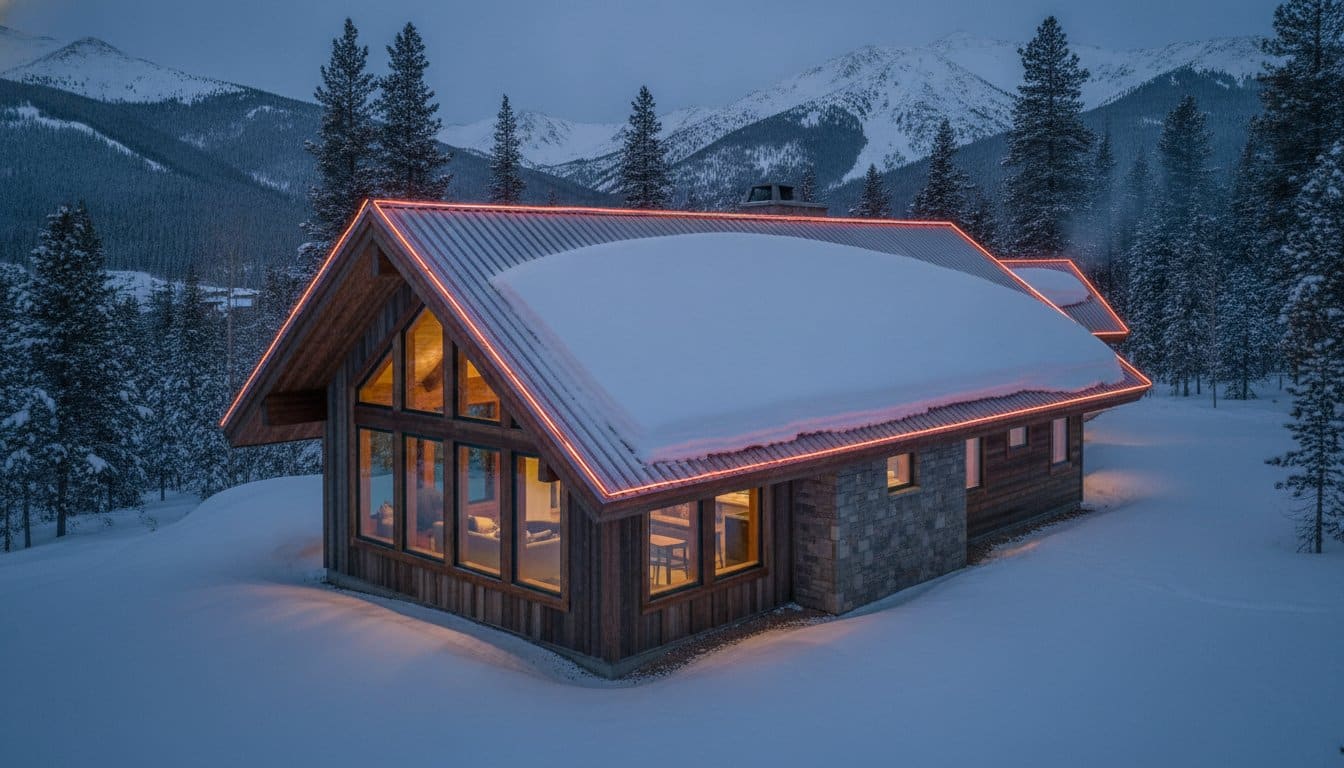
At 10,000 feet, winter isn’t just a season; it’s a relentless structural test that a standard snow shovel or a morning plow can’t help you pass. You’ve likely felt the frustration of watching a heavy plow scrape your driveway or seeing massive ice dams threaten your roof’s integrity every time a storm surge hits. Living here means dealing with nearly 400 inches of annual snowfall and temperatures that can plummet to -20 degrees Fahrenheit. This is why professional Brian Head snow melt services have become a necessity for protecting your property from these high-altitude extremes.
You deserve a maintenance-free winter where you don’t have to worry about snow sliding off your metal roof or blocked access to your cabin. In this guide, we’ll explain how permanent solutions like self-regulating heat cables and driveway de-icing systems provide a protective shield for your home. You’ll discover how these professional-grade installations offer better structural protection and peace of mind than traditional, temporary snow removal methods. It’s time to move beyond the cycle of constant plowing and invest in a long-term solution that guards your property against the harshest elements Utah has to offer.
Key Takeaways
- Understand why the extreme 10,000-foot elevation in Brian Head requires specialized solutions to prevent snow inundation and structural strain on your property.
- Explore the technical advantages of Brian Head snow melt services, specifically how self-regulating heat cables provide more reliable protection than standard DIY heat tape.
- Evaluate the long-term property preservation benefits of radiant driveway systems compared to the physical wear and tear caused by seasonal plowing.
- Identify the essential components of a custom de-icing strategy, from assessing north-facing roof slopes to calculating specific electrical load requirements.
- Learn why professional, code-compliant installation by a licensed electrical contractor is vital for the safety and longevity of your mountain home’s de-icing system.
Mastering Brian Head Winters: Why 10,000 Feet Changes Everything
Brian Head is unique. Sitting at an average elevation between 9,800 and 10,300 feet, it holds the title of the highest base elevation in Utah. This altitude creates a winter environment that is fundamentally different from the valleys below. At this height, the snow doesn’t just fall; it accumulates with a density that can reach a ground snow load of 255 lbs per square foot. When you’re dealing with that much weight, traditional property maintenance isn’t just difficult, it’s often insufficient for long-term preservation.
Many property owners rely on seasonal plowing, but this often leads to what we call “snow inundation.” A plow might clear your path, but it frequently leaves behind massive berms and pushes heavy, wet snow against your home’s foundation or garage doors. This repeated physical stress can lead to cracked asphalt and significant landscape damage over time. Utilizing professional Brian Head snow melt services allows you to manage the climate without the collateral damage caused by heavy machinery.
A permanent snowmelt system provides a protective layer that works 24/7. These systems use radiant heat or specialized cables to melt snow the moment it touches the surface. This technology is particularly vital for Southern Utah cabins, which are prone to the “Ice Dam Cycle.” This happens when heat from the cabin melts the bottom layer of roof snow, which then refreezes at the cold eaves. This ice block forces water upward, leading to interior leaks and structural rot that can go unnoticed until the spring thaw.
The High-Altitude Snow Load Challenge
The 10,000-foot elevation in Brian Head means snow accumulation happens faster than most homeowners can react. On the steep pitches of a mountain cabin, this buildup creates a risk of massive snow slides. These slides aren’t just loud; they can crush decks, tear off gutters, and bury entryways in seconds. Permanent systems, including roof snow retention and heat cables, reduce this structural stress by keeping critical areas clear. This ensures the weight of the snow never reaches a critical mass that threatens your home’s integrity.
Prevention vs. Reaction: The New Standard
The old way of managing winter was reactive. You’d wait for the storm to pass, then call for a plow or grab a shovel. In Brian Head, a major storm surge can make roads impassable, leaving you stranded with a buried driveway. Modern de-icing technology uses energy-efficient controllers that monitor ambient temperature and moisture levels. These systems anticipate the weather, activating before the snow can even bond to the pavement. A snow melt system is a proactive property safeguard that ensures your home remains accessible and protected regardless of the forecast.
Advanced Snow Melt Technology: Roof Cables and Radiant Driveways
Protecting a mountain home requires specialized hardware designed to survive Brian Head’s specific environmental stressors. Standard hardware store solutions often fail because they aren’t built for the sub-zero temperatures and massive snow loads found at 10,000 feet. Professional Brian Head snow melt services utilize industrial-grade components that provide a reliable, long-term defense against the elements. By integrating advanced cable technology with structural snow retention, you can effectively manage winter risks before they become emergency repairs.
Self-Regulating vs. Constant Wattage Cables
The core of an effective roof de-icing system is the Self Regulating Heat Cable. Unlike a Constant Wattage Heat Cable, which stays at one temperature regardless of the weather, self-regulating versions adjust their heat output based on the ambient temperature. When it’s colder, the cable works harder; as it warms up, the cable throttles back to save energy. This intelligence is a critical part of Preventing Roof Ice Dams, as it ensures drainage paths stay open through fluctuating mountain weather cycles without wasting electricity. Utah mountain property owners across the region, from Southern Utah to those seeking heat cable installation Park City specialists rely on, are increasingly choosing self-regulating systems for their superior energy efficiency and reliability in Climate Zone 6 conditions.
Radiant Heat for Driveways and Walkways
Sidewalk and Driveway Deicing Systems offer a permanent alternative to the physical toll of plowing. On steep Brian Head grades, even a small amount of ice can make a driveway impassable or dangerous for vehicles. Radiant heat eliminates this risk by warming the slab from beneath, ensuring snow melts on contact. This technology preserves your property’s value by:
- Preventing the surface scaling and cracking caused by heavy plow blades.
- Eliminating the need for corrosive de-icing salts that damage concrete and landscaping.
- Providing safe, ice-free access to entries and stairs through custom heating zones.
Beyond the ground level, Roof Snow Retention is a vital secondary defense for homes with metal roofs. These systems act as a brake, holding the snow pack in place so it can melt slowly rather than releasing as a dangerous “roof avalanche” over your front door. When combined with heated gutters and downspouts, these systems ensure that meltwater is carried safely away from your foundation rather than refreezing and causing structural heaving.
If you’re unsure which technology fits your cabin’s specific layout, consulting with a specialist at Utah Heat Cable can provide a clear roadmap for your winter preparations. Our neighborly experts understand the technical nuances of Brian Head snow melt services and can design a system that balances high-performance protection with long-term energy efficiency.
Plowing vs. Permanent Snow Melt: A Property Protection Comparison
Choosing between a seasonal plow service and a permanent system is a decision that impacts your property’s lifespan. While calling a plow seems like the standard move, the physical toll on your driveway is undeniable. Every winter, heavy blades scrape against asphalt and pavers, eventually leading to surface scaling and structural cracks. By contrast, professional Brian Head snow melt services eliminate this mechanical wear entirely. You aren’t just paying to remove snow; you’re investing in the structural health of your home’s exterior.
The Real Cost of Traditional Snow Removal
Traditional snow removal often comes with hidden expenses that don’t appear on the monthly bill. If a plow clips your landscaping or tears up a portion of your sod, the repair costs fall on you come springtime. There’s also the “wait time” problem. During a heavy Brian Head storm, you might be stuck inside for hours waiting for a service to arrive. A radiant system doesn’t make you wait. It works silently in the background, keeping your paths clear 24/7. This transition from reactive labor to automated heat also benefits the local environment. You won’t need to rely on corrosive salts or chemical de-icers that can damage your soil and downstream water quality.
Preserving Your Brian Head Investment
For owners of vacation rentals or part-time cabins, reliability is the greatest asset. If you aren’t there to monitor the roof, a single warm day followed by a freeze can trigger the scientific process of how ice dams form. When heat escapes from the cabin and melts snow at the roof’s peak, that water runs down and freezes at the cold eaves, creating a reservoir that can seep into your walls. This leads to mold, rot, and expensive interior repairs. Integrated snow melt technology prevents this cycle from starting. It adds measurable value to your Brian Head investment, offering potential buyers the assurance that the home is built to handle the highest elevations in Utah.
Safety remains the most immediate benefit. Brian Head’s fluctuating temperatures often create a thin, invisible layer of “black ice” on stairs and walkways. A plow can’t remove this. Manual salting is inconsistent. A heated walkway ensures that these high-traffic areas remain dry and slip-free at all times. Investing in Brian Head snow melt services ensures your property remains a sanctuary rather than a source of winter stress, providing 24/7 protection for your family and guests.
Designing a Custom De-Icing Strategy for Your Brian Head Cabin
Designing an effective de-icing system for a cabin at 10,000 feet isn’t about guesswork; it’s about precise engineering. Every property in Brian Head has a unique “snow profile” influenced by its orientation to the sun and its architectural complexity. If your roof features north-facing slopes, snow will likely linger weeks longer than on the southern side, creating a persistent weight burden. Identifying these trouble spots, along with complex valleys where snow naturally collects, is the first step in a professional strategy for Brian Head snow melt services.
One of the most critical, yet often overlooked, factors is the electrical load requirement. High-performance heating systems require significant power. You can’t simply daisy-chain miles of cable without a professional assessment of your home’s electrical panel. If your system isn’t designed to handle the draw, you risk frequent breaker trips or, worse, electrical fires. A master craftsman understands how to balance these loads, ensuring your protection remains consistent even during the coldest storm cycles.
Choosing the right Controller Options is another pivotal decision. While manual switches are simple, they rely on you being present to turn them on. For part-time residents, fully automated moisture and temperature sensors are the gold standard. These sensors activate the system only when snow is actually falling and the temperature is within the melting range, preventing energy waste while ensuring you never arrive at a buried cabin.
The Importance of Custom Heat Trace Design
Off-the-shelf “one size fits all” kits found at big-box stores are rarely rated for the extreme UV exposure and sub-zero temperatures of Southern Utah. These kits often lack the durability to survive more than a single season. A custom layout maps the Self Regulating Heat Cable to your specific roofline, focusing heat exactly where it’s needed most. Utah code requires licensed electrical design for these systems to ensure they are properly grounded and safely integrated into your property’s main power supply.
Snow Guard Placement for Metal Roofs
For high-end Brian Head properties with metal roofs, Roof Snow Retention is a non-negotiable partner to heat cables. Strategic placement of snow guards prevents the “avalanching” effect that can crush expensive gutters or injure anyone walking below the eaves. By combining these guards with heated drainage paths, you create a total solution that manages both the weight and the runoff of the snowpack. This approach preserves the aesthetic of your mountain home while providing elite-level structural protection.
Ready to secure your property before the next storm cycle? You can request a custom de-icing design from our team of local specialists to ensure your cabin is prepared for the high-altitude winter.
Professional Installation: Why Utah Heat Cable is Brian Head’s Trusted Specialist
Installing a high-wattage de-icing system at 10,000 feet requires more than just general labor; it demands specialized electrical knowledge. While many local companies offer seasonal snow removal, few possess the technical credentials to design and install code-compliant Brian Head snow melt services. As a licensed electrical contractor, Utah Heat Cable ensures that every system is safely integrated into your home’s power grid. We understand the specific Southern Utah permit requirements for 2026, ensuring your installation is legal, safe, and built to last through the most punishing winters.
Our approach is grounded in local reliability. We aren’t just contractors; we’re neighbors who understand the unique terrain of Brian Head. This local familiarity allows us to anticipate how wind patterns and drifting snow will impact your specific property. Once an installation is complete, our job isn’t finished. We provide comprehensive winter readiness checks and system testing to ensure your sensors and cables are performing at peak efficiency before the first flake falls. This commitment to post-installation support provides the peace of mind that your investment is always ready for the next storm surge.
The Master Craftsman Difference
We take pride in being the specialists who understand the underlying mechanics of heat-trace technology. High-wattage snow melt systems can put a significant strain on a home’s electrical infrastructure if not handled with precision. Our team treats every project with the care of a master craftsman, focusing on long-term reliability rather than a temporary fix. By using professional-grade materials specifically engineered for mountain environments, we ensure your system outlasts the cheap alternatives often found in hardware stores. We partner with homeowners to create a total security plan that protects both the structure and the family inside.
Get Ready for Next Winter Today
The best time to prepare for a Brian Head winter is while the ground is still clear. Summer and fall are the critical windows for installation, as working on steep roofs or pouring heated driveways becomes nearly impossible once the snow begins to accumulate. Starting your custom design consultation now ensures your system is fully operational and tested before the deep freeze arrives. Don’t wait for the first major storm to realize your property is vulnerable. You can Schedule your Brian Head snow melt consultation with Utah Heat Cable today to begin securing your mountain retreat for years to come.
Preparing Your Property for the Next High-Altitude Winter
Managing a property at 10,000 feet requires a shift from reactive shoveling to proactive engineering. We’ve explored how professional Brian Head snow melt services provide a permanent shield against the specific threats of ice dams and structural snow loads. By choosing radiant heat and self-regulating cables over traditional plowing, you eliminate the recurring cycle of driveway damage and dangerous roof avalanches. This investment doesn’t just clear a path; it preserves the very foundation and value of your mountain home.
As a Licensed Electrical Contractor, Utah Heat Cable specializes in custom high-altitude designs and expert snow retention solutions built for the unique Brian Head terrain. We focus on code-compliant, durable installations that offer you total peace of mind, whether you’re staying at the cabin or monitoring it from afar. It’s time to invest in a solution that works as hard as the mountain winter does. Secure your Brian Head cabin with a professional snow melt system today and enjoy the safety and convenience of a maintenance-free winter season.
Frequently Asked Questions
Do I still need to plow if I have a radiant driveway system?
You won’t need a traditional plow service if your radiant system is designed to cover the full width of your driveway and is activated before the snow begins to accumulate. These systems are engineered to melt snow on contact, preventing the bond between ice and pavement from ever forming. In cases of extreme storm surges that exceed the system’s melt rate, you might see a temporary layer of slush, but the underlying surface remains warm enough to prevent dangerous ice buildup.
How much electricity does a roof heat cable system use in Brian Head?
The energy consumption depends on the total linear footage of the cable and the type of controller you choose. Because we prioritize self-regulating technology, the cables only draw maximum power when the ambient temperature is at its lowest. Using automated moisture and temperature sensors ensures the system only runs when necessary, which significantly reduces waste compared to manual systems that property owners might accidentally leave running during clear weather.
Can heat cables be installed on an existing metal roof?
Yes, we can safely install heat cables on existing metal roofs without drilling holes or compromising the structural integrity of the panels. We utilize specialized standing seam clips and high-strength adhesive mounting systems designed specifically for the high UV exposure found at 10,000 feet. This is a common upgrade for established cabins that are experiencing new ice dam issues or structural strain from heavy snow loads.
What is the difference between professional heat cables and DIY heat tape?
The primary difference lies in durability and intelligence. Retail heat tape is often a constant wattage product with a thin outer jacket that can become brittle and fail after just one or two seasons in Brian Head’s harsh climate. Professional Brian Head snow melt services utilize industrial-grade, self-regulating cables that adjust their heat output based on the cold. These cables are built with advanced polymers that withstand extreme sub-zero temperatures and heavy physical pressure from snow packs.
How long do professional snow melt systems typically last?
A professionally installed system using high-quality components can last between 10 and 20 years with minimal maintenance. The lifespan of the system is largely determined by the quality of the initial installation and the use of code-compliant electrical components. We recommend a quick winter readiness check each autumn to ensure the sensors and cables haven’t been affected by summer debris or wildlife, which helps protect your long-term investment.
Will a snow melt system prevent all ice dams on my cabin?
A heated cable system is designed to provide a clear drainage path so that meltwater can reach the gutters and downspouts without refreezing. While it’s a powerful tool for preventing the damage associated with ice dams, it works most effectively when your cabin also has adequate insulation and ventilation. The system ensures that even if snow melts due to heat loss from the interior, the resulting water has a reliable, heated exit route off your roof.
Is a permit required for installing snow melt systems in Brian Head?
Yes, any installation that requires new high-wattage electrical circuits must comply with Southern Utah electrical permit requirements for 2026. As a licensed electrical contractor, we handle the technical design and ensure the system meets all local building codes. This professional oversight is vital for your safety and ensures that your homeowner’s insurance remains valid in the event of a weather-related claim.
Do these systems work during extreme cold snaps below zero?
Professional-grade systems are specifically designed to function at Brian Head’s winter design temperature of -20 degrees Fahrenheit. Because the cables are self-regulating, they automatically increase their thermal output as the temperature drops. This ensures that even during a deep freeze, your critical drainage paths and walkways remain clear of ice, providing a reliable shield for your property when the weather is at its most volatile.