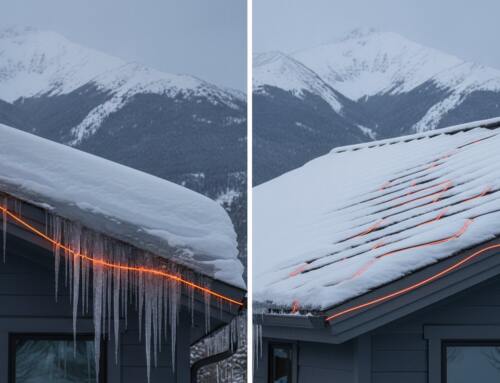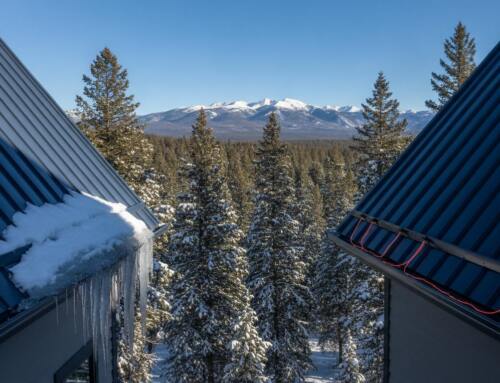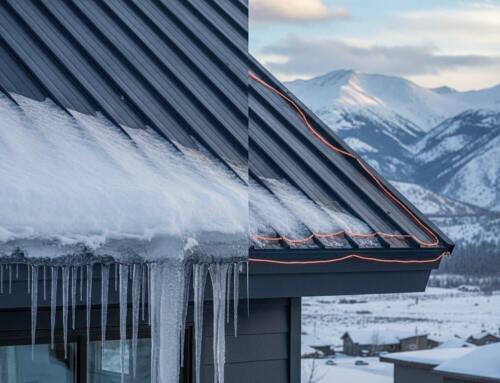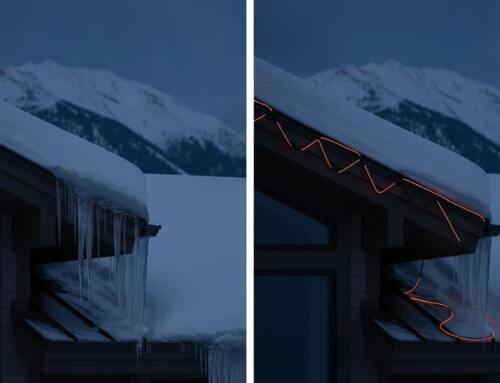
That bargain heat tape kit from the local hardware store might actually be the most expensive fix you ever put on your roof. While it’s tempting to look for a quick solution when icicles start reaching the ground, many residents eventually realize that cheap cables often fail after just one season or, worse, void their roof warranty with invasive staples. Understanding the self regulating heat cable installation cost Utah homeowners face in 2026 requires looking beyond the price per foot and focusing on the long-term protection of your home’s structure.
It’s frustrating to watch your gutters buckle under the weight of ice every winter while worrying about the massive price gaps between DIY projects and professional installs. We believe you deserve a permanent, energy-efficient solution that operates automatically and preserves your shingles. This guide breaks down the real factors driving installation prices, from specialized controller options to the custom engineering required for our unique mountain climate. You will learn exactly how to budget for a commercial-grade system designed to keep your roof clear and your warranty intact for decades to come.
Key Takeaways
- Learn how the smart carbon-polymer core in self-regulating cables automatically manages energy use to lower your monthly utility bills.
- Discover why professional self regulating heat cable installation cost Utah varies based on roof complexity and how to avoid the hidden expenses of cheap retail kits.
- Identify the critical problem areas on your roof, such as north-facing slopes and chimney drifts, that require specialized de-icing layouts.
- Ensure your roof warranty remains valid by utilizing penetration-free mounting techniques that secure cables without the use of invasive screws or staples.
What is Self-Regulating Heat Cable and Why is it Essential for Utah?
The Wasatch Front presents a unique challenge for any roofing system. We experience heavy snowfall followed by intense afternoon sun, creating a dangerous freeze-thaw cycle that leads directly to ice dams. To understand why a professional system is the gold standard for local homes, we have to look at the mechanics of What is Self-Regulating Heat Cable technology. It’s a smart heating cable that adjusts its heat output based on the surrounding ambient temperature, ensuring your gutters stay clear without wasting electricity.
Unlike basic heating wires that stay at one temperature, this technology is designed to “feel” the cold. It provides maximum heat in the middle of a blizzard and scales back significantly when the sun comes out. This adaptability is what makes it a permanent solution rather than a temporary fix. When planning your self regulating heat cable installation cost Utah project, it’s vital to recognize that you aren’t just buying wire; you’re investing in a custom-engineered thermal barrier for your home.
The Science of the Semi-Conductive Core
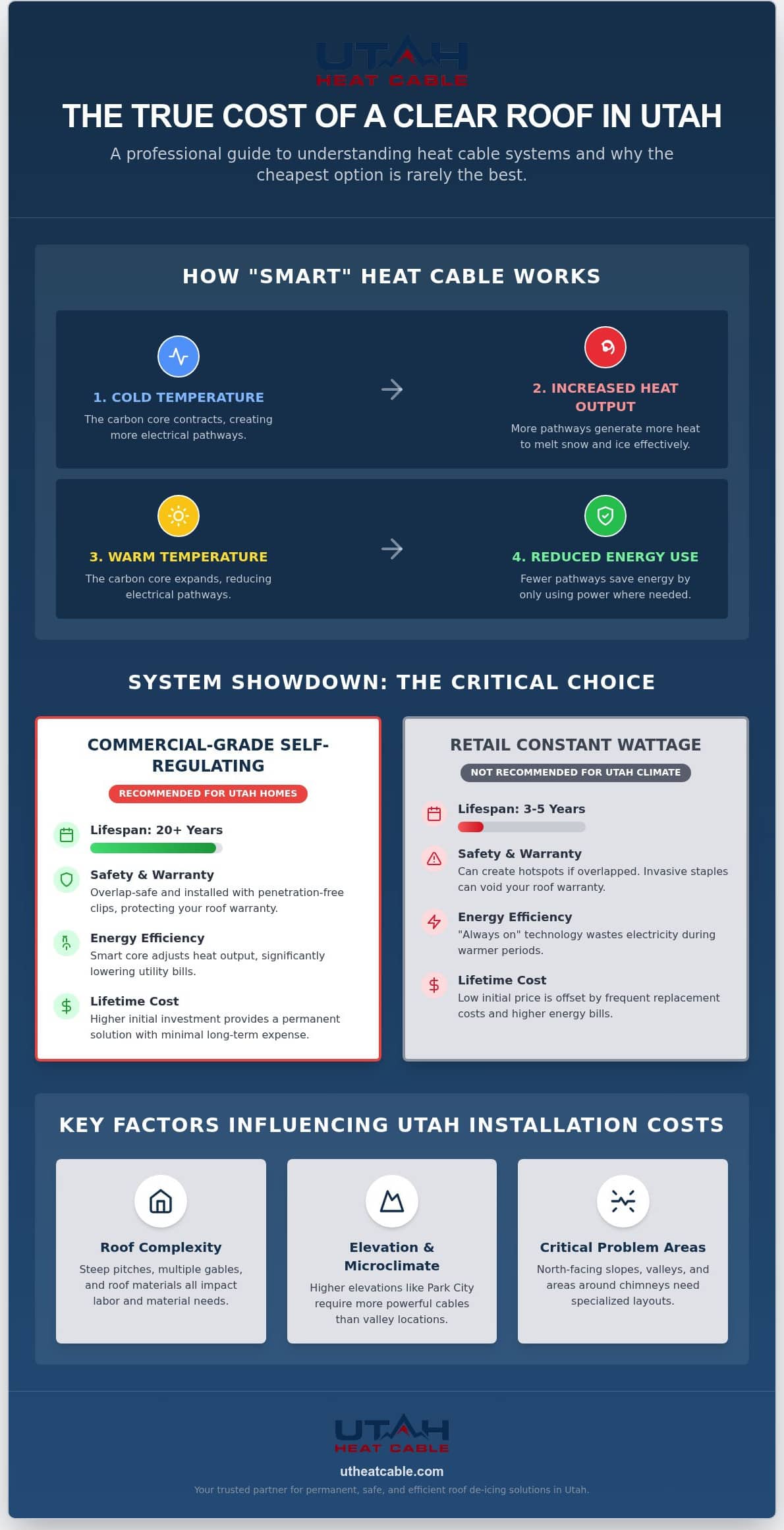
At the heart of this technology is a specialized carbon-polymer core. This material acts like a million tiny thermostats distributed along the entire length of the cable. When the temperature drops, the core contracts, which creates more electrical paths and generates more heat to melt snow. As the air warms, the core expands and breaks those paths, naturally reducing energy consumption. This mechanism makes the system exceptionally energy efficient by only drawing the power necessary to keep drainage channels open. Essentially, self-regulating cable is an intelligent de-icing solution that prevents localized overheating by automatically balancing its thermal output along every inch of the line.
Self-Regulating vs. Constant Wattage: A Critical Choice
Choosing the right technology is the most significant factor in your long-term self regulating heat cable installation cost Utah budget. Many retail stores sell constant wattage cables. These are essentially long toaster wires that stay at the same temperature regardless of the weather. Because they can’t adapt, they often fail during Utah’s most brutal cold snaps. They simply can’t provide the “boost” needed when ice is at its thickest. For a detailed technical breakdown of how these two technologies compare across every performance metric, reviewing a comprehensive guide on self regulating vs constant wattage heat cable will help you make a fully informed decision before purchasing.
The lifespan difference is also staggering. A retail kit typically lasts only three to five years before the internal components degrade. In contrast, a commercial-grade self-regulating system often serves a home for 20 years or more. Safety is the final piece of the puzzle. If a constant wattage cable accidentally overlaps itself, it can create a hot spot that melts the cable or damages your shingles. Self-regulating cables are inherently safer; you can overlap them without any risk of burnout, which is crucial for complex roof valleys and heavy snow loads.
Key Factors Influencing Your Heat Cable Installation Cost in Utah
National home improvement websites often list average prices that don’t reflect the reality of living in the Intermountain West. In Utah, the architecture of your home and the specific microclimate of your neighborhood are the primary drivers of your investment. A steep, multi-gabled roof in a high-snow area like Holladay requires significantly more planning and labor than a simple ranch-style home in the valley. When calculating the self regulating heat cable installation cost Utah homeowners should expect, we look at the total “thermal footprint” rather than just the length of your gutters.
Linear footage is the most obvious factor, but it’s rarely a one-to-one measurement of your roofline. To effectively manage how ice dams form, the cable must be installed in a “zigzag” pattern along the eaves. This pattern, combined with tracing the gutters and downspouts, can easily triple the amount of cable needed compared to a single straight run. Additionally, multi-story homes or commercial properties often require specialized lift equipment and safety rigging, which adds to the logistical complexity of the project.
Geographic and Elevation Considerations
Utah’s dramatic elevation changes mean that a system designed for Salt Lake City might fail completely in Park City or Brighton. Higher elevations experience colder sustained temperatures and much heavier snow loads, requiring a higher wattage-per-foot cable to keep drainage channels open. North-facing slopes are another critical variable. Because these areas rarely see direct sunlight, they are prone to massive ice buildup that stays frozen for months. A custom-engineered system accounts for these shaded zones, often requiring more dense cable spacing to ensure the roof remains protected through the darkest weeks of January.
Electrical Code and Permit Requirements
A professional de-icing system is a high-amperage electrical appliance, not a simple string of lights. Utah state code, following the 2020 National Electrical Code, requires these systems to have dedicated 20 to 30 amp circuits with specific ground-fault protection. If your current electrical panel is at capacity, adding a new circuit is a necessary part of the project. While a handyman might offer a cheaper “plug-in” solution, these often lack the necessary safety features, leading to tripped breakers or fire risks. Working with a licensed electrical contractor ensures your system is code-compliant and won’t lead to insurance claim denials if an issue arises. If you are unsure about your current panel’s capacity, you can request a professional evaluation to see what your home requires.
The Real Cost: Commercial-Grade Systems vs. Retail Alternatives
When homeowners see the initial self regulating heat cable installation cost Utah professionals quote, there’s often a moment of hesitation. It’s easy to compare that number to a inexpensive box of heat tape from a local hardware store. However, looking at the price tag alone is like buying a pair of cardboard boots for a Utah winter because they’re cheaper than leather ones. You have to consider the 10-year Total Cost of Ownership (TCO) to see the true value of your investment.
A commercial-grade system is engineered to survive 20 to 25 years in the harshest mountain conditions. Retail cables usually burn out within three seasons. If you have to pay for the removal of dead cable and the installation of a new kit every few years, your “cheap” solution quickly becomes a financial drain. Beyond the hardware, professional self-regulating cables are vastly more efficient. Constant wattage retail kits draw full power as long as they’re plugged in, while smart cables only pull what’s needed. This intelligent power draw can cut your monthly operating costs significantly over a long winter.
The dangers of ice dams go beyond simple icicles; they include structural rot, ruined insulation, and mold growth. Facing a $5,000 insurance deductible for a water leak makes the upfront self regulating heat cable installation cost Utah homeowners pay for a professional system look like a wise insurance policy. A professional system also comes with a 10-year product warranty, providing peace of mind that a 1-year retail warranty simply can’t match.
Why “Cheap” Heat Tape Costs More in the Long Run
Retail cables have a dangerous tendency to “cook” themselves. If a leaf or some pine needles get trapped against a constant wattage cable in your gutter, that specific spot can’t dissipate heat. The cable eventually melts its own protective jacket, leading to a short circuit or a fire hazard. Professional systems are designed to be “cross-over” safe. They won’t overheat even if they’re buried in debris or touching themselves in a tight valley. This durability prevents the cycle of failure that plagues cheaper alternatives. Understanding what separates temporary heat tape from long lasting roof heat cables — including the 2026 NEC updates and smart automation features — can help you make a more informed purchasing decision.
Protecting Your Roof Warranty
This is where many DIY installs or handyman projects go wrong. Shingle manufacturers are incredibly strict about how their products are handled. If an installer uses staples, nails, or screws to secure cable, they have effectively punctured the waterproof barrier of your home. Most roof manufacturers will void your warranty the moment they see mechanical fasteners in the shingles. We use specialized, penetration-free clips that grip the edge of the shingle or the gutter without piercing the material. This preserves your multi-decade roof warranty while providing a secure, professional-grade attachment that won’t blow away in a canyon wind.
How to Budget for Professional Roof De-Icing: A Step-by-Step Guide
Budgeting for a permanent de-icing solution is more involved than simply measuring the length of your gutters. Because every home in the Wasatch Front has a different relationship with the sun and wind, a standard estimate rarely provides the full picture. To accurately project the self regulating heat cable installation cost Utah homeowners will encounter, you must approach the project as a custom engineering task. Following a structured planning process ensures you aren’t surprised by hidden electrical needs or insufficient coverage once the first blizzard hits.
The first step is a physical audit of your roofline. You’ll need to measure the total length of the eaves where ice dams typically form and count every downspout that needs to remain open. Next, identify your specific problem areas. These include deep valleys where snow accumulates, north-facing slopes that never see the sun, and areas around chimneys where heat loss creates localized melting. Once you have these basics, a consultation with a specialist is necessary to determine if your electrical panel has the spare capacity for a dedicated circuit. Finally, you must choose a control system and request a design that specifically accounts for the heavy snow loads seen in your specific elevation.
Calculating Your Linear Footage
To calculate the amount of cable required, you can’t just use a straight line. For effective protection, we use a “zigzag” pattern on the eaves. A reliable baseline formula is to multiply your eave length by 2.5, though this can vary depending on the depth of your shingles and the height of the “loops” needed to reach above the historical ice line. You must also account for vertical runs; cable should be installed through the entire length of the downspout and continue until it reaches the frost line to ensure meltwater doesn’t refreeze at the exit. It’s a common mistake to think a gutter-only system is enough, but without eave coverage, ice will simply build up behind the gutter and find its way under your shingles.
Choosing Your Control System
Your choice of controller is a major factor in both your initial investment and your long-term energy bills. Manual switches have the lowest upfront cost, but they rely entirely on human memory. If you forget to turn them on, your roof stays frozen; if you forget to turn them off, your utility bill will skyrocket. Automated moisture sensors are generally better for Utah’s climate because they only activate the system when both freezing temperatures and moisture are present. While a smart, WiFi-enabled controller costs more initially, the Return on Investment (ROI) in energy savings over just five winters often makes it the most cost-effective choice. To start your planning process with a custom design, you can get a professional estimate for your home today.
Why Utah Heat Cable is the Safest Investment for Your Property
Choosing a specialist to protect your home is a decision that impacts your property’s safety and structural integrity for decades. As licensed electrical contractors, we don’t simply “install” wire; we engineer a code-compliant electrical system designed to withstand the brutal freeze-thaw cycles of the Wasatch Front. Our status as specialists means we understand the 2020 National Electrical Code requirements for ground-fault protection, ensuring that your de-icing system operates safely without risking electrical fires or frequent breaker trips. By prioritizing precision and technical expertise, we provide a protective shield that temporary fixes can’t match.
We’ve discussed how invasive fasteners can ruin a roof. Our commitment to penetration-free installation technology is a cornerstone of our service. We use specialized clips that secure the cable to your gutters and shingles without a single screw or staple. This methodology is critical for maintaining your manufacturer’s roof warranty. When you consider the self regulating heat cable installation cost Utah residents pay, you have to factor in the value of keeping that roof warranty intact. A professional system should solve a problem, not create a new one through leaks or shingle damage.
Custom Design vs. Off-the-Shelf Solutions
Every roof has a unique “thermal footprint” dictated by its orientation to the sun, its insulation levels, and its specific geometry. We don’t believe in the “one size fits all” approach found in big-box retail kits. Instead, we analyze these factors to create a custom design for every residential, commercial, and HOA property we service. By utilizing commercial-grade Drexan self-regulating cables, we ensure your system has the durability to provide 20 or more years of service. These cables are engineered to handle the heavy snow loads and high elevations of Utah’s mountain communities, providing a level of reliability that off-the-shelf alternatives simply cannot provide.
Get a Professional Estimate Today
The best time to address ice dams is before the first snowflake falls. Waiting until icicles are already tearing at your gutters often leads to emergency repairs and higher costs. Investing in a professionally designed system offers the peace of mind that comes from knowing your home is prepared for whatever winter brings. Our team provides end-to-end support, from the initial custom design and electrical tie-in to seasonal maintenance checks that ensure your system is ready for the November freeze. Don’t leave your home’s safety to chance this winter. Request your custom heat cable design and quote from Utah Heat Cable to secure a permanent solution for your property.
Secure Your Home Against the Wasatch Winter
Protecting your property from ice dams is a long-term investment that requires more than just high-quality hardware. It demands a system engineered for our specific Utah weather patterns and installed with the precision of a licensed electrical contractor. By choosing commercial-grade self-regulating cables, you avoid the cycle of replacing failed retail kits and ensure your gutters remain clear through the heaviest snowfalls. Most importantly, utilizing penetration-free installation methods means your roof warranty stays intact while your home stays dry.
Understanding the self regulating heat cable installation cost Utah homeowners face allows you to move from reactive repairs to proactive protection. A custom-designed thermal barrier doesn’t just melt ice; it provides the peace of mind that your home’s structure is shielded from water damage for decades. Don’t wait for the first heavy freeze to discover the weaknesses in your roofline. Take the next step toward a permanent solution today.
Get a Professional Heat Cable Installation Quote for Your Utah Home
Taking the time to plan your system now ensures a safer, warmer, and more efficient winter for your family and your property.
Frequently Asked Questions
Is self-regulating heat cable worth the extra cost compared to retail heat tape?
Yes, self-regulating cable is worth the investment because it adapts its power draw to actual weather conditions. Unlike retail heat tape that runs at full power constantly, these smart systems reduce energy consumption when the sun is out. This efficiency, combined with a lifespan that often exceeds two decades, makes the initial self regulating heat cable installation cost Utah homeowners pay much lower over the life of the system.
How much does it cost to run a roof heat cable system in Utah each month?
Monthly operating costs typically range from $40 to $200 depending on the size of your system and local electricity rates. A standard 150-foot run of 6-watt cable might cost around $3.24 per day during a heavy snowstorm in Park City. Using an automated controller with moisture sensors can significantly lower these costs by only activating the system when it’s actually needed to melt ice.
Can I install self-regulating heat cable myself to save on labor costs?
DIY installation is generally discouraged because it often fails to meet the 2020 National Electrical Code requirements for roof de-icing. Professional installation requires a licensed electrical contractor to install a dedicated 20 to 30 amp circuit with ground-fault protection. Additionally, most homeowners don’t have access to the penetration-free clips required to secure the cable without voiding their roof warranty.
Do I need to replace my gutters before installing a heat cable system?
You don’t need to replace your gutters as long as they are structurally sound and properly sloped. Heat cables are designed to lay inside your existing gutters and downspouts to ensure meltwater has a clear path to the ground. If your gutters are sagging or leaking, we recommend addressing those repairs before the cable is installed to ensure the system functions at peak efficiency.
Will heat cables melt all the snow off my entire roof?
Heat cables are not designed to clear your entire roof of snow. Their primary purpose is to create drainage channels that allow water to reach the gutters instead of refreezing into an ice dam. This targeted melting protects your eaves and valleys where water is most likely to back up under your shingles and cause internal leaks.
How long does a professional self-regulating heat cable system typically last?
A professionally installed self-regulating system typically lasts between 20 and 25 years. This longevity is due to the commercial-grade materials used in the cables, such as those from Drexan, which are designed to withstand UV exposure and extreme temperature swings. In contrast, retail-grade constant wattage cables often fail within three to five years, requiring frequent and expensive replacements. If you want to understand the specific technical specifications that separate short-lived products from truly long lasting roof heat cables, reviewing the latest 2026 standards and material requirements is a valuable next step.
Does Utah Heat Cable offer warranties on their installation and products?
Yes, the commercial-grade products we install carry industry-leading warranties, often up to 10 years for the cable itself when properly registered. Because we are licensed electrical contractors, our installations are performed to the highest standards of safety and code compliance. This professional oversight provides a level of security and long-term support that you won’t find with uncertified installers.
What happens if my heat cable system stops working in the middle of winter?
If your system fails during a storm, the first step is to check your dedicated breaker and the status of your controller. Professional systems include ground-fault protection that may trip if there’s a localized issue, preventing fire hazards. We provide diagnostic support to ensure your de-icing system remains operational when you need it most during the coldest months of the year.