
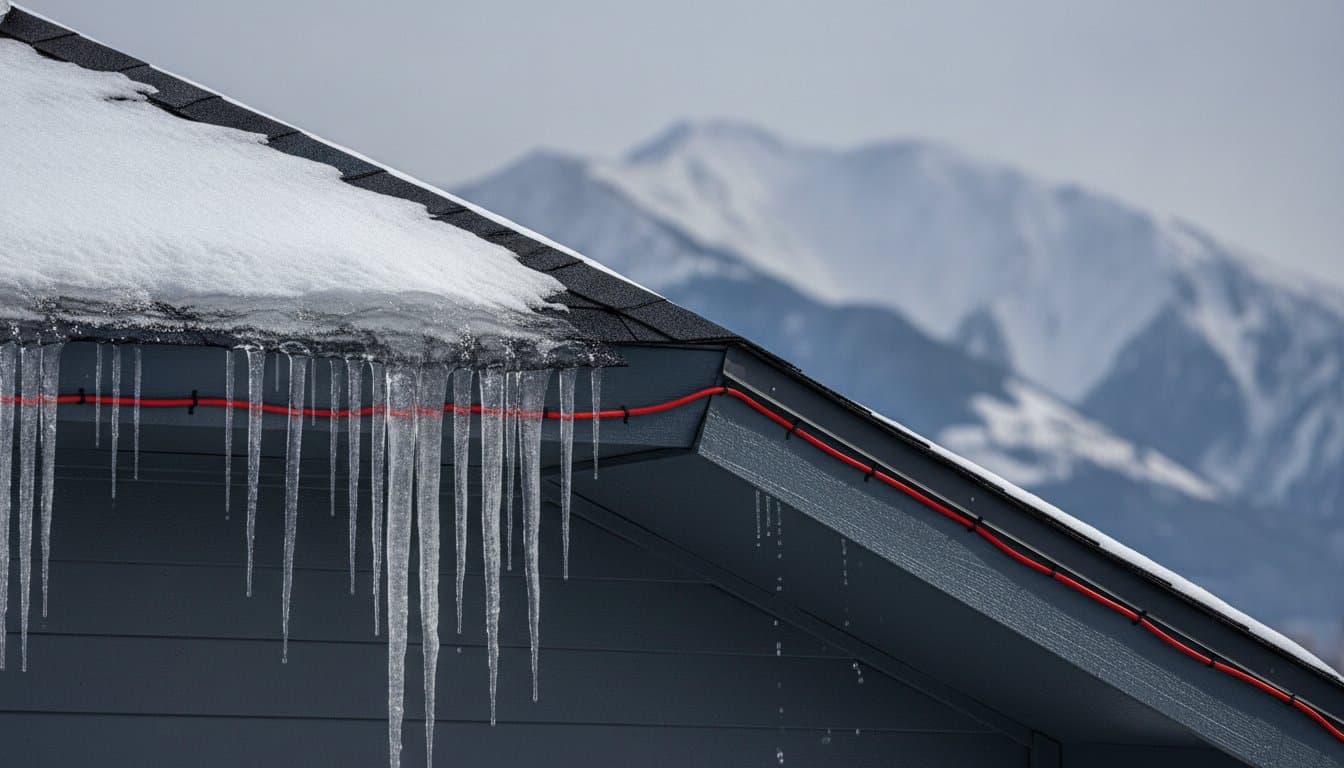
Paying for an emergency steam crew every February might feel like an inevitable winter tax, but it’s actually the most expensive way to manage your roof. If you live along the Wasatch Front, you likely know the specific anxiety that sets in when heavy snow blankets the valley and massive icicles begin to pull at your gutters. It’s a recurring cycle of stress, where every storm carries the threat of interior water damage and structural decay.
Understanding the actual ice dam prevention cost Salt Lake City residents should expect is the first step toward a permanent, professional-grade shield for your home. While industry averages for emergency steam removal often range from $800 to $2,400 per visit, proactive systems offer a far more logical return on investment. In this 2026 guide, we’ll break down the real-world expenses of installing high-quality self-regulating heat cables and compare them against the recurring drain of reactive repairs. We also explore the critical 2023 National Electrical Code requirements that ensure your installation is safe, durable, and fully compliant with local Salt Lake City standards.
Key Takeaways
- Learn why investing in a permanent system provides a clear ROI by eliminating the recurring $800 to $2,400 expense of emergency steam removals.
- Discover the specific variables that influence ice dam prevention cost Salt Lake City homeowners face, including roof complexity and electrical panel capacity.
- Understand the technical superiority of high-durability, self-regulating cables compared to the standard constant wattage options found at hardware stores.
- Identify the importance of hiring a licensed electrical contractor to ensure your system meets the 2023 National Electrical Code and local building standards.
- Gain a step-by-step checklist of questions to ask your contractor to ensure you receive an accurate, all-inclusive quote for your property.
Understanding Ice Dam Prevention Costs in Salt Lake City
Salt Lake City winters are notoriously unpredictable. One week it’s a dry powder day; the next, a heavy lake-effect storm dumps inches of wet, heavy snow that lingers on your eaves. This cycle of freezing and thawing is exactly how what is an ice dam? becomes a primary concern for local homeowners. In the 2026 market, we’re seeing a clear shift away from temporary “heat tape” fixes found at big-box stores toward professional-grade, self-regulating systems. These professional installations are designed to handle the specific thermal demands of the Wasatch Front. While a DIY cable might seem cheaper at the register, it often lacks the durability and safety sensors required to prevent long-term roof damage and electrical hazards.
The True Cost of Doing Nothing
If you choose to ignore the buildup, you aren’t just risking a few icicles. Interior water damage from a single breach can easily cost thousands in drywall repair, mold remediation, and insulation replacement. During peak winter storms in Utah, emergency steam removal companies often charge a significant “emergency premium” because demand far outstrips supply. You might find yourself paying hundreds of dollars per hour just to have a crew stand on your roof and chip away at the problem. Beyond the immediate cash drain, these recurring ice dams significantly shorten the lifespan of your shingles and gutters by putting immense weight and moisture pressure on the structural edges of your home.
Investment Overview: Proactive vs. Reactive
Calculating the ice dam prevention cost Salt Lake City residents face involves looking at both the upfront installation and the multi-year savings. In neighborhoods like The Avenues, where older architecture often lacks modern attic ventilation, the need for a robust system is higher than in newer developments like Daybreak. However, even modern homes aren’t immune to the unique microclimates created by Utah’s geography. When you compare the one-time cost of a licensed electrical installation against five years of emergency removals and potential roof repairs, the proactive approach is the only logical choice. Based on 2026 regional data, a professional prevention system typically offsets its own cost within two heavy winters by eliminating the $1,200 average price tag of recurring emergency removals.
Factors That Influence Your Heat Cable Installation Price
Every home along the Wasatch Front presents a unique set of architectural challenges. Because of this, the ice dam prevention cost Salt Lake City homeowners see on a final quote depends heavily on the specific geometry of their roofline. A simple ranch-style home in Murray will require a vastly different setup than a multi-story Tudor in Federal Heights. Beyond the physical shape of the house, the technical specifications of the materials chosen play a massive role in long-term performance. While hardware stores sell constant wattage “heat tape” kits, professional systems utilize self-regulating cables. These advanced cables adjust their heat output based on the ambient temperature, which prevents the system from overheating and extends its lifespan significantly compared to cheaper, non-regulating alternatives.
Linear Footage and Design Complexity
Estimating the amount of cable needed isn’t as simple as measuring the length of your gutters. To provide total protection, cables must often be “zigzagged” along the eaves and run up into valleys where snow accumulates most heavily. You also have to account for downspouts, as clearing the roof does little good if the meltwater freezes solid inside the drainage system. Complex roofs with multiple dormers, chimney crickets, or varying pitches require more mounting hardware and labor-intensive routing. A custom-designed layout ensures that heat is only applied where it’s actually needed, which is often more cost-effective than buying a generic kit that leaves vulnerable areas unprotected. If you’re looking for additional ways to safeguard your home, the National Weather Service offers several tips to prevent ice dams through proper attic maintenance.
The Electrical Component: A Licensed Electrician’s Role
The most overlooked factor in installation pricing is the existing electrical capacity of your home. High-quality de-icing systems generally require a dedicated circuit to operate safely and effectively. Depending on the size of the system, your contractor might recommend a 120V or a more efficient 240V circuit. Compliance with the 2023 National Electrical Code is mandatory, specifically regarding Ground Fault Circuit Interrupter (GFCI) protection, which prevents fire hazards in wet conditions. While adding a new circuit or upgrading a panel adds to the initial investment, it’s a critical safety step that “handyman” installations frequently skip. You can also integrate automated controllers that use moisture and temperature sensors to trigger the system only when necessary. This precision reduces monthly utility bills and ensures the system isn’t running on a clear, sunny day. If you’re unsure about your current panel’s capacity, you can consult with a licensed specialist to evaluate your home’s needs.
Finally, accessibility and safety requirements shouldn’t be ignored. Homes with three or more stories or exceptionally steep pitches often require specialized lift rentals or fall-protection rigging for the crew. These safety measures protect both the workers and your property, ensuring the installation is completed without incident even on the most challenging Salt Lake City rooflines.
Prevention vs. Removal: An SLC Cost Comparison
When water starts dripping through a light fixture during a midnight snowstorm, the immediate reaction is panic. Most Salt Lake City homeowners find themselves in a reactive cycle, calling for emergency steam removal every time the Wasatch Front gets a heavy accumulation. While steaming is a safe way to clear existing ice, it doesn’t address the underlying causes of ice dams, such as thermal loss and poor drainage. This reactive approach is often the most expensive path you can take. By shifting your focus toward a permanent solution, you can stabilize your home maintenance budget and eliminate the seasonal anxiety of structural damage.
The 5-Year Financial Comparison
The math behind ice dam prevention cost Salt Lake City homes require becomes very clear when you look at a five-year horizon. Emergency services are priced at a premium because they involve dangerous work in peak storm conditions. In 2026, the average cost of a professional ice dam steam removal call in the Salt Lake Valley is $1,200, with some complex residential jobs reaching as high as $2,400. If your roof is prone to dams, you might face this bill every single winter. Most SLC homeowners who invest in a professional heat cable system see a complete break-even point within just 2.5 winters. Beyond the direct cash savings, you also avoid the “intangible” costs of leaks, which often include mold remediation and ruined attic insulation that insurance may not fully cover.
Reactive vs. Proactive: A 5-Year Outlook
- Emergency Steaming: $6,000+ (Estimated at 5 visits over 5 years, plus potential repair deductibles).
- Professional Prevention: One-time installation cost (Eliminates removal fees and protects roof longevity).
- Result: Prevention typically pays for itself before the third winter concludes.
Energy Efficiency and Operating Costs
A common concern for homeowners is how much their electricity bill will spike once a system is installed. Modern technology has made these systems remarkably efficient compared to the old-fashioned cables of a decade ago. We utilize self-regulating heat cables that act like a smart thermostat for your roof. As the outdoor temperature rises, the cable’s internal core becomes less conductive, naturally drawing less power. Conversely, it only ramps up its heat output when the temperature drops and moisture is present.
By pairing these cables with automated moisture and temperature sensors, you ensure the system only runs when the conditions for ice damming are actually met. For a typical Salt Lake City home, this might result in a modest utility bill increase of $40 to $80 during the peak months of January and February. When you weigh this small operational cost against the thousand-dollar “emergency tax” of a steam removal crew, the financial benefit of a proactive system is undeniable. It’s a controlled, predictable expense that provides total property care throughout the harshest Utah winters.
How to Get an Accurate Quote for Your Salt Lake Property
Securing a reliable estimate for your home requires more than a simple over-the-phone guess. To understand the total ice dam prevention cost Salt Lake City homeowners should expect, a contractor must physically inspect the layout of your roof, the condition of your drainage, and the current capacity of your electrical panel. A professional quote should be transparent, breaking down the specific linear footage of self-regulating heat cable, the necessary mounting hardware, and the specialized labor required for a safe installation. It should also include a clear scope for the electrical work, ensuring your system has a dedicated, code-compliant power source. Timing your request is also a factor. Scheduling an evaluation during the summer or fall allows for a methodical installation before the ground freezes, which often avoids the scheduling bottlenecks and “storm-chaser” premiums common in mid-winter.
Vetting Your SLC Heat Trace Contractor
In Utah, it’s vital to hire a licensed electrical contractor rather than a general handyman or roofer for this specific work. Because these systems involve high-voltage components in wet environments, specialized knowledge of the 2023 National Electrical Code is a safety requirement. When reviewing potential contractors, ask for local references in areas with similar weather patterns, such as Park City, Draper, or the East Bench. Ensure your quote explicitly includes the cost of any necessary municipal permits. A master craftsman will always prioritize these legal and safety steps to protect your property and ensure the system’s longevity.
Maximizing Your Investment with Snow Retention
For many properties along the Wasatch Front, heat cables are only half of the solution. Snow retention systems, or snow guards, work in tandem with your de-icing cables to prevent massive sheets of snow from sliding off your roof all at once. This is particularly important for metal roofs or steep pitches where a “snow avalanche” can rip gutters right off the eaves or crush the heat cables you’ve just installed. Bundling the installation of snow guards with your heat trace system is often more cost-effective than adding them later. This dual approach provides a comprehensive shield, protecting your landscaping, your gutters, and your family from falling ice. If you’re ready to move toward a permanent solution, you can request a custom on-site evaluation to see exactly how a tailored system fits your Salt Lake property.
An accurate quote is a roadmap for your home’s winter protection. By insisting on an on-site visit and verifying the technical credentials of your installer, you ensure that your investment is built on a foundation of safety and local expertise. This level of preparation is what separates a temporary fix from a professional-grade system that lasts for decades.
Why Utah Heat Cable is the Best Value for SLC Homeowners
Choosing a provider for your home’s winter defense shouldn’t be a gamble. While many contractors offer general roofing or basic heat tape applications, Utah Heat Cable approaches every project as a specialized electrical engineering challenge. When you evaluate the total ice dam prevention cost Salt Lake City residents face, the true value isn’t found in the lowest bid, but in the system’s long-term reliability and safety. We provide a turnkey service that removes the burden from the homeowner. We don’t just hang cables; we design a custom thermal solution, handle all the high-voltage electrical requirements, and ensure every component is fully code-compliant. This comprehensive approach means you won’t have to coordinate between a roofer and an electrician to get your system running before the first frost hits the Wasatch Front.
The Master Craftsman Approach to Ice Prevention
Our team, led by seasoned experts like David Tanner, understands that a truly effective system should be as discreet as it is powerful. We design layouts that follow the natural lines of your architecture, ensuring the hardware disappears into your roofline rather than becoming an eyesore. This level of precision is only possible through the exclusive use of industrial-grade, self-regulating heat cables. Unlike the “handyman tape” found in retail stores, our cables are built to withstand decades of UV exposure and extreme temperature swings without degrading. Because we’re licensed electrical contractors, we also provide the technical assurance that your system won’t overload your panel or create a fire hazard. To keep your system in peak condition for years to come, you can check out our Gutter Heat Trace System Maintenance Guide to protect your investment.
The difference in our approach lies in the details of the design. We account for the specific microclimates of Salt Lake City, from the heavy snow loads in the foothills to the drainage challenges of flat-roofed modern homes. By focusing on durability and efficiency, we create systems that draw only the power they need, saving you money on utility bills while providing the peace of mind that your home is shielded from the elements. This isn’t just a seasonal fix; it’s a permanent upgrade to your property’s structural integrity.
Ready to Protect Your Home?
Waiting for the first major blizzard to address your roof’s vulnerabilities is a recipe for stress and high emergency fees. Our process is designed to be transparent and straightforward, starting with a detailed on-site assessment of your property. We provide clear, no-hidden-fee estimates that break down every component of the installation, from the self-regulating cable to the automated controller options. By scheduling your pre-winter assessment now, you ensure your home is fully protected before the heavy lake-effect snow begins to accumulate. If you’re tired of the annual cycle of ice dams and water damage, it’s time to invest in a solution that works every time. You can Get a Custom Ice Dam Prevention Quote from Utah Heat Cable and take the first step toward a worry-free winter.
Invest in Your Home’s Winter Resilience
Transitioning from reactive emergency removals to a proactive de-icing system is the most effective way to stabilize your home maintenance budget. While the initial ice dam prevention cost Salt Lake City homeowners invest may seem like a significant step, it effectively eliminates the recurring “emergency tax” of steam removal and the high deductibles associated with interior water damage. By choosing a system designed around high-durability, self-regulating cables, you ensure your roof remains clear without the constant worry of electrical hazards or inefficient power draws.
As a Licensed Electrical Contractor specializing in custom heat-trace design, we take pride in protecting properties across SLC, Park City, and the entire Wasatch Front. We believe that professional-grade protection should be delivered with transparency and precision, giving you the peace of mind to enjoy the winter season rather than fear it. If you’re ready to break the cycle of seasonal stress, we’re here to help you build a permanent shield for your home.
Secure your home today with an expert ice dam prevention quote and move forward with the confidence that your property is prepared for whatever the Utah skies deliver.
Frequently Asked Questions
How much does professional heat cable installation cost in Salt Lake City?
Professional installation costs are determined by the total linear footage of your eaves and the specific complexity of your roofline. A simple ranch home requires less material and labor than a multi-story property with deep valleys and multiple dormers. Your total investment also includes the necessary electrical upgrades, such as a dedicated circuit, to ensure the system operates safely and effectively under heavy snow loads.
Is it cheaper to remove an ice dam or prevent it with heat cables?
Prevention is nearly always more cost-effective than removal over a multi-year period. A single emergency steam removal visit in Utah can be quite expensive, and these fees often repeat every winter. By investing in a permanent system, you eliminate these recurring costs and avoid the expensive interior repairs that follow water infiltration. Most homeowners find the system pays for itself within two to three seasons.
Will installing heat cables increase my electricity bill significantly?
Modern self-regulating systems are designed to be energy efficient and won’t cause an overwhelming spike in your utility bills. These cables automatically adjust their power draw based on the outside temperature, using less energy as the air warms. When you pair them with an automated controller that detects both moisture and freezing temperatures, the system only runs when conditions for ice dams are actually present.
Do I need a permit to install roof heat cables in Salt Lake City?
Yes, a permit is typically required for the electrical portion of the installation in Salt Lake City. Because a professional de-icing system requires a dedicated circuit and must comply with the 2023 National Electrical Code, a licensed electrical contractor should handle the filing. This ensures the work is inspected for safety, which is a critical step for maintaining your home’s insurance eligibility and structural security.
How long do professional-grade self-regulating heat cables last?
Industrial-grade self-regulating cables are built to last significantly longer than the constant wattage kits found at big-box retailers. When installed by a professional, these systems often provide reliable protection for 10 to 20 years. The outer jacket is specifically engineered to resist UV degradation and the mechanical stress of shifting snow, ensuring the internal heating core remains protected from the harsh Utah elements.
Can I install heat cables myself to save on costs?
While DIY kits exist, professional installation is highly recommended for both safety and long-term performance. Working on a steep, snowy roof is dangerous, and improper electrical wiring can lead to fire hazards or system failure. A licensed specialist ensures the ice dam prevention cost Salt Lake City homeowners pay results in a code-compliant system that actually works when the temperature drops, protecting your roof rather than risking it.
What is the best time of year to get a quote for ice dam prevention in Utah?
The ideal time to request a quote and schedule installation is during the summer or early fall months. Contractors have more flexibility in their schedules before the first major storm hits the Wasatch Front, and working on a dry roof is safer and more efficient. Early preparation ensures your system is tested and ready to go before the heavy lake-effect snow begins to accumulate in December.
Does homeowners insurance cover the cost of ice dam prevention?
Homeowners insurance policies generally do not cover the cost of preventative maintenance like heat cable installation. Insurance is designed to cover sudden and accidental damage rather than the tools used to prevent it. However, the investment is worthwhile because it stops the water damage that insurance companies may only partially cover, saving you from high deductibles and the headache of a major mold remediation claim.