
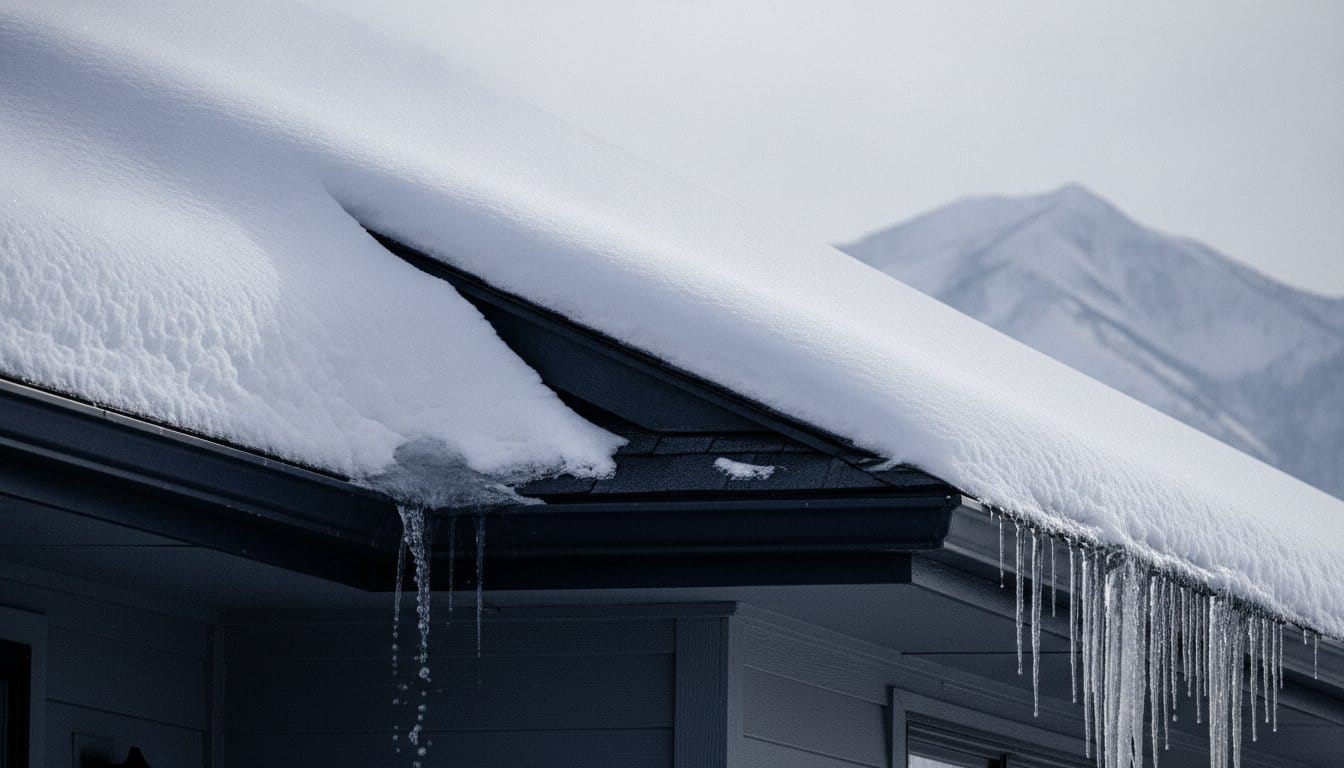
You wake up after a heavy lake-effect storm to the sound of water dripping behind your drywall, only to realize that the cheap heat tape you bought last fall has already burned out. It’s a common frustration for property owners here in Tooele, where our severe Climate Zone 5B weather quickly exposes the flaws in DIY solutions. Finding specialized heat trace contractors Tooele residents can trust is the first step toward stopping these destructive ice dams before they compromise your roof’s integrity or cause dangerous snow slides.
We understand that you want more than just a temporary fix; you need a system that handles 105 MPH wind gusts and heavy snow loads without sending your power bill into orbit. This article will show you how professional de-icing solutions, from self-regulating cables to custom-designed snow retention, provide a permanent shield for your home or business. You’ll learn what to look for in a licensed electrical contractor to ensure your system meets the latest 2023 National Electrical Code and provides genuine peace of mind during the next big freeze.
Key Takeaways
- Identify the specific environmental risks that Tooele’s lake-effect moisture poses to your roof and why high-wind clips are essential for local durability.
- Verify the credentials of heat trace contractors Tooele by checking for active Utah electrical licenses and a focus on specialized de-icing design.
- Compare self-regulating and constant wattage technologies to find the most energy-efficient setup for Utah’s high-altitude sun exposure.
- Navigate the 2023 National Electrical Code and local permit processes to ensure your system is legal, safe, and insurance-compliant.
- Explore how custom-tailored heat trace and snow retention systems provide long-term protection against property damage and ice dams.
Why Tooele Valley Properties Require Specialized Heat Trace Systems
Living in the Tooele Valley means dealing with weather patterns that most mountain communities never face. While Salt Lake City might get a light dusting, Tooele often gets hammered by heavy, moisture-laden snow. This isn’t just a nuisance for shoveling; it’s a direct threat to your home’s structural integrity. Because Tooele is classified as a “severe” weathering zone, the moisture from the Great Salt Lake creates a unique set of challenges that standard roofing materials aren’t designed to handle alone.
The Great Salt Lake acts as a giant engine for moisture. When cold air moves over the relatively warm water, it picks up incredible amounts of humidity. This results in “lake-effect” snow that is significantly denser and heavier than typical mountain powder. When this heavy mass sits on your roof, it doesn’t take long for the thaw-freeze cycle to begin. Experienced heat trace contractors Tooele residents hire know that these systems must be robust enough to withstand not just the weight of the snow, but also the 105 MPH wind gusts common in our valley. Standard plastic clips often snap under these conditions, leaving your cables dangling and useless.
To protect your property, you need a system based on the principles of electric heat tracing that can adapt to rapid temperature shifts. If you ignore these ice dams, you’re looking at more than just a few icicles. The water eventually finds its way under your shingles, rotting the roof deck and causing interior leaks that are far more expensive to fix than a preventative system. A custom-designed setup ensures that your gutters remain clear and water can flow safely off the roof even during the coldest January nights.
Lake Effect Snow and Ice Dam Formation
Lake-effect snow is notorious for its high water content. Unlike the light “champagne powder” found in the higher canyons, this snow is dense and packs tightly into gutters and roof valleys. North-facing roofs in Tooele are particularly vulnerable because they rarely see direct sunlight during the winter months. This allows ice to build up for weeks at a time. As heat escapes from your attic, it melts the bottom layer of snow. That water then runs down to the cold eaves and refreezes, creating a massive ice dam that blocks all drainage.
The Risk of DIY “Heat Tape” Solutions
It’s tempting to grab a box of “heat tape” from a local hardware store, but these retail products are rarely up to the task. Most DIY cables use “constant wattage” technology, which means they stay at the same temperature regardless of how cold it is outside. This is inefficient and can actually become a fire hazard if the cable overlaps itself. Professional heat trace contractors Tooele specialists use industrial-grade self-regulating cable instead. This technology automatically adjusts its heat output based on the surrounding temperature. It’s safer, lasts much longer, and won’t fail you during the first major Tooele blizzard of the season.
Evaluating Heat Trace Contractors in Tooele: Licensing and Expertise
Choosing the right team is about more than just finding someone with a ladder and a roll of cable. In a region as demanding as ours, the difference between a successful installation and a failed one often comes down to the contractor’s credentials. When you search for heat trace contractors Tooele, you’re looking for a partner who understands the legal and technical requirements of permanent electrical installations. A properly vetted professional doesn’t just install a product; they design a safety system for your home.
Utah law requires that any person performing electrical work for hire must be a licensed electrical contractor. This isn’t just a matter of red tape. It’s a critical safety barrier for property owners. If an unlicensed individual installs your system and an electrical fault occurs, your property insurance provider may deny the claim because the work wasn’t performed by a qualified professional. Verifying a license ensures the person on your roof has passed the Utah Contractor Business and Law exam and carries the necessary liability insurance to protect your investment.
Licensed Electrical Contractor vs. Handyman
Heat trace installation is a permanent modification to your home’s electrical system, not a simple plug-in appliance. While a general handyman might be skilled at minor repairs, they often lack the specialized equipment to test for circuit integrity or the knowledge to ensure the system is fully grounded. A professional installation includes dedicated GFI protection, which is vital for systems that operate in wet, snowy conditions. This specialized approach prevents the nuisance tripping and fire hazards common with DIY or amateur setups.
The Design-Build Approach
A specialist doesn’t just slap cable on your roof; they design a solution based on your specific architecture and the data found in Tooele’s climate records. They calculate the exact wattage required by looking at your roof pitch and identifying where your home is losing the most heat. This precision prevents “cold spots” where ice can still form even after the system is turned on. By using thermal audits, they can place cables exactly where they’ll be most effective, saving you money on electricity while providing superior protection.
Retail cables come in fixed lengths, often leading to messy overlaps or unprotected sections that leave your gutters vulnerable. Custom-length cables allow for a clean, efficient layout that covers every downspout perfectly. If you want to see the difference this level of detail makes for your property, you can explore our custom de-icing services and see how we protect homes across Stansbury Park and the wider Tooele Valley. Always ask for local references; a contractor who has successfully armored homes in Tooele’s North Bench or Erda will have the specific experience needed for your project.
Selecting the Right Technology for Tooele’s Climate
The technical specifications of your de-icing system matter just as much as the installation quality. In Tooele, our high-altitude environment means your roof is subjected to intense UV radiation in the summer and sub-zero temperatures in the winter. If you work with experienced heat trace contractors Tooele homeowners trust, they’ll emphasize the necessity of industrial-grade materials that won’t degrade under the Utah sun. Specifically, look for cables with high-quality UV-rated outer jackets. Without this protection, the outer shell of the cable can crack within a few seasons, leading to short circuits and system failure.
Beyond the cable itself, you must consider how the de-icing system interacts with your specific roof type. For properties with metal roofs, heat cable alone is often insufficient. When snow begins to melt at the roofline, large sheets of ice can slide off at high speeds, potentially shearing off your gutters or injuring anyone below. In these cases, we recommend a combined approach. Professional heat trace contractors Tooele will often integrate roof snow retention systems with the heat cable. This prevents “snow avalanches” while the cables ensure that the meltwater has a clear, heated path through your gutters and downspouts.
Ensuring this clear path is vital for long-term protection. If your downspouts aren’t properly traced all the way to the ground or into a subterranean drain, the meltwater will simply refreeze at the base of the pipe. This creates a “bottleneck” effect that causes water to back up and freeze inside the gutter, eventually leading to the very ice dams you’re trying to prevent. A well-designed system treats the entire drainage path as a single, connected unit.
Self-Regulating Heat Cable: The Gold Standard
Self-regulating technology is the undisputed gold standard for Tooele’s fluctuating temperatures. Unlike constant wattage tape that burns at a fixed temperature, self-regulating cables feature a specialized conductive core. This core adjusts its heat output based on the ambient air temperature. This means your system works harder when it’s 10 degrees and tapers off when it’s 35 degrees, resulting in significant energy savings. Most professional-grade cables also come with 10-year warranties, offering a lifespan that far exceeds anything found on a retail shelf.
Automated Controllers and Sensors
The brain of your de-icing system is the controller. While a manual switch is the simplest option, it relies on you remembering to flip it before the storm hits. For Tooele’s erratic winter weather, automated moisture and temperature sensors are far superior. These sensors only activate the system when both freezing temperatures and moisture are present. This prevents the system from wasting power during those “bluebird” days where it’s freezing cold but perfectly dry. By investing in a smart controller, you ensure your property is protected 24/7 without having to monitor the weather forecast yourself.
Professional Installation and Local Electrical Code Compliance
Once you’ve selected the right materials, the focus shifts to the legal and technical execution of the project. In Tooele City and across the county, all de-icing systems must adhere to National Electrical Code (NEC) Article 426. This specific section governs “Fixed Outdoor Electric De-Icing and Snow-Melting Equipment.” As of 2026, Tooele follows the 2023 NEC standards, which means any new installation requires a formal electrical permit and a subsequent inspection by the local building official. Professional heat trace contractors Tooele residents hire will handle this bureaucratic process, ensuring your system is fully documented and legal.
The installation process itself is methodical and begins with the heavy work of running new, dedicated circuits from your main electrical panel to the roofline. We don’t just “hook up” to whatever circuit is nearby; that’s a recipe for tripped breakers. Every system undergoes post-installation commissioning, where we measure the actual amperage draw against the manufacturer’s specifications. This step ensures the system is performing at peak efficiency and that there are no hidden faults in the cable matrix before the first snowflake hits the shingles.
Code-Compliant Circuitry
A safe de-icing system requires a dedicated circuit equipped with 30mA ground-fault protection for equipment (GFPE). This is different from the standard 5mA GFCI outlets found in your bathroom or kitchen. Tapping into an existing outdoor outlet is often a code violation because those circuits aren’t designed for the high startup loads of de-icing cables. Proper junction box placement is also critical; these boxes must be accessible but shielded from the direct impact of sliding snow and ice to prevent moisture intrusion over time.
Installation Best Practices
The method of attachment varies significantly depending on your roof’s material. For asphalt shingles, we use specialized clips that slide under the shingle layer without compromising the water seal. On metal standing seam roofs, we utilize non-penetrating clamps to maintain your roof warranty. It’s also vital that cables extend at least 12 inches into downspouts to prevent “ice plugs” from forming at ground level. We recommend a mid-winter system check to verify that all sensors are triggering correctly and the heat output remains consistent during the coldest months.
If you’re ready to ensure your home meets these rigorous safety standards, you can schedule a code-compliant de-icing installation with our team today. Taking the time to do it right now prevents electrical failures when the temperatures drop below freezing and you need protection the most.
Utah Heat Cable: Your Local Expert for Tooele Heat Trace Design
Utah Heat Cable isn’t just a group of installers; we are specialized designers who understand the physics of winter weather in Tooele County. Led by David Tanner, our team focuses on the specific environmental challenges that Utah properties face every year. We don’t believe in a one-size-fits-all approach because every home has a unique relationship with the sun, the wind, and the heavy lake-effect snow. By prioritizing custom engineering over generic kits, we ensure that your de-icing system is a permanent, high-performance asset rather than a temporary fix.
Our process begins with a detailed assessment of your property’s orientation. If your roof has a complex north-facing valley that never sees the sun, it requires a different wattage density than a simple south-facing eave. We specialize in the installation of self-regulating heat cable and roof snow retention systems, creating a comprehensive shield that prevents structural damage. Whether we’re protecting residential gutters or designing large-scale sidewalk and driveway deicing systems for commercial properties, our work is always grounded in precision and local code compliance. We stand behind our quality materials and our status as licensed electrical contractors to provide a solution that lasts.
Serving Tooele, Stansbury Park, and Grantsville
We have spent years working in neighborhoods across the valley, from the historic homes in Tooele City to the newer developments in Stansbury Park and Grantsville. This local experience is invaluable because we understand how the wind coming off the Oquirrh Mountains affects snow accumulation on your shingles. Choosing experienced heat trace contractors Tooele residents trust means you’re working with a team that can provide rapid, neighborly support. We take pride in our workmanship and our deep familiarity with local building styles, giving you the security of knowing the job was done right the first time.
Request Your Custom Design and Quote
The best time to secure your home is before the first lake-effect storm rolls in. We recommend starting the consultation process well before the ground freezes in October. Our property audit includes a thorough review of your existing electrical capacity and a layout design that targets your roof’s most vulnerable points. We’ll provide a clear, step-by-step explanation of the technical solution we propose, ensuring you understand exactly how your investment will protect your home for years to come. Don’t wait for the first leak to appear; Get a Professional Heat Trace Quote for Your Tooele Property today and find the peace of mind that comes from professional-grade protection.
Prepare Your Property for a Safer Tooele Winter
Preparing for a Tooele winter requires more than just hope. It requires a specialized approach that accounts for the heavy moisture of the Great Salt Lake and the high-altitude UV exposure that degrades lesser materials. By choosing professional heat trace contractors Tooele residents ensure their homes are protected by systems designed specifically for our unique climate. A code-compliant installation by a licensed electrician isn’t just about safety; it’s about long-term reliability and the prevention of the destructive ice dams that lead to costly roof repairs.
As a Licensed Utah Electrical Contractor, Utah Heat Cable focuses on providing custom-designed self-regulating systems that outperform retail alternatives. We specialize in lake-effect snow solutions that keep your gutters clear and your family safe from dangerous snow slides. Taking action now, before the first freeze, is the most effective way to secure your investment and enjoy the coming season with confidence.
Protect your Tooele property with expert heat trace installation—Contact Utah Heat Cable today!
Frequently Asked Questions
Do I need a permit for heat trace installation in Tooele?
Yes, you need an electrical permit for any new heat trace circuit installation in Tooele. Since the city has adopted the 2023 National Electrical Code, all fixed outdoor de-icing equipment must be inspected to ensure it meets safety standards. Professional heat trace contractors Tooele homeowners hire will typically coordinate with the building official to manage these permits and inspections for you.
How much electricity does a professional roof heat cable system use?
The electricity consumption depends on the total linear footage of the cable and the outside temperature. Because our self-regulating cables adjust their heat output based on the ambient air, they use significantly less power when the weather is mild. You can further reduce energy waste by pairing the system with automated controller options that only activate the cables when moisture and freezing temperatures are both present.
Can I install heat cable on a metal roof in Tooele?
You can certainly install heat cable on metal roofs, but it requires a specialized approach to ensure durability. Metal surfaces are prone to sudden snow slides, which can tear cables and gutters away from the building. We recommend combining your heat cable with roof snow retention systems to hold the snow in place while it melts, ensuring a safe and controlled drainage process.
How long does professional-grade self-regulating heat cable last?
Professional-grade self-regulating cable is designed to last 10 years or more when properly installed. Unlike the thin, plastic-coated products found in retail stores, industrial cables feature heavy-duty UV-rated jackets that resist the intense high-altitude sun in Utah. Regular mid-winter checks and proper off-season maintenance help ensure the system reaches its maximum expected lifespan.
Is it better to have a manual switch or an automatic sensor?
An automatic sensor is almost always the superior choice for Tooele properties due to our erratic weather. While a manual switch is simpler to install, it requires you to be home and awake to turn it on before a storm hits. Automated sensors detect moisture and temperature simultaneously, which prevents the system from running during dry, cold spells and saves you money on your monthly utility bills.
What is the difference between heat tape and heat cable?
The primary difference lies in the internal technology and safety profile. “Heat tape” usually refers to constant wattage products that stay at one temperature and can overheat if they overlap. Professional heat cable uses a self-regulating conductive core that changes its resistance based on temperature. This makes heat cable safer, more energy-efficient, and far more durable for long-term property protection.
Why did my previous heat cable fail after only two winters?
Early failure is usually caused by UV degradation or improper installation techniques. If the cable didn’t have a high-quality UV-rated jacket, the Utah sun likely cracked the outer shell, allowing moisture to cause an electrical short. Additionally, if the cables were not properly secured with high-wind clips, the physical stress from Tooele’s wind gusts can lead to internal wire breakage over time.
Does Utah Heat Cable provide services for Tooele businesses and HOAs?
Yes, we provide custom de-icing designs for a wide range of commercial properties, including retail centers and HOA complexes. We understand the liability risks that ice dams and slippery sidewalks pose to business owners. Our team can design large-scale sidewalk and driveway deicing systems that meet all local commercial building codes while providing reliable protection for your tenants and customers.