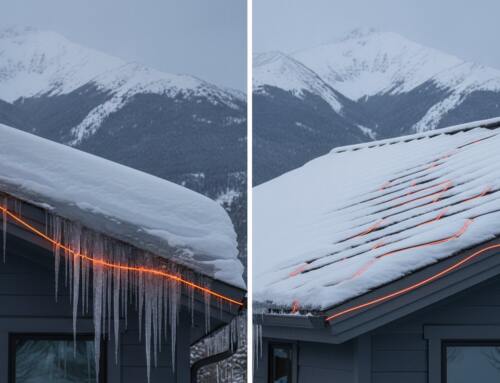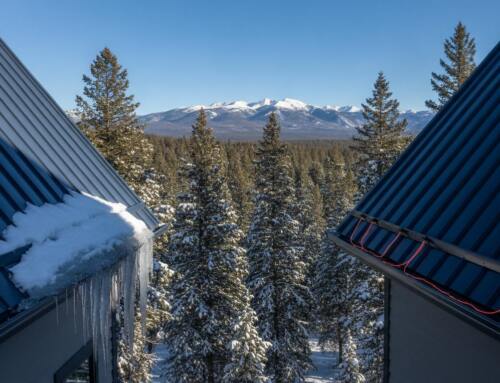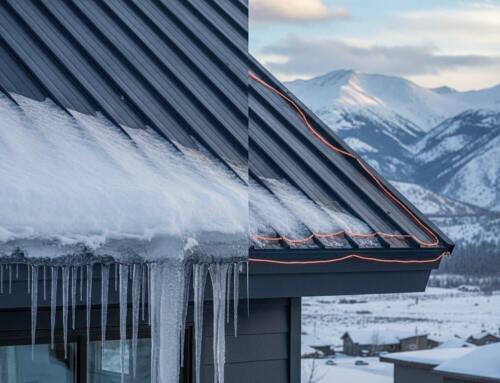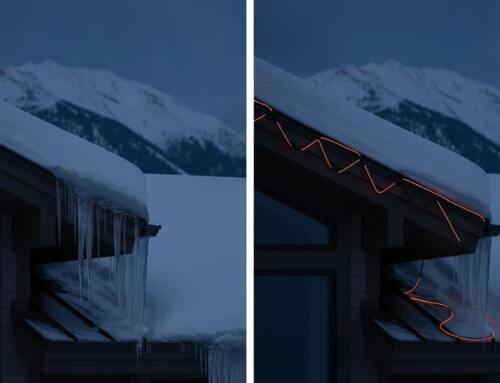
Your roof is designed to be a shield, but during a heavy winter, it can accidentally turn into a giant heat exchanger that threatens your home’s structure. It’s a frustrating sight to see heavy ridges of ice forming along your eaves while you worry about the potential for mold growth or the $8,000 average insurance claim that often follows interior water damage. You likely want to know exactly what causes an ice dam to form when the temperature outside is still well below freezing. Understanding this thermal imbalance is the first step toward securing your property.
We understand that no homeowner should have to face the anxiety of falling ice or the looming threat of a roof replacement. This guide will help you discover the specific science behind ice dam formation and show you how to protect your home from costly leaks. We’ll walk through how to identify if your property is at risk. Finally, we’ll explore permanent solutions like self-regulating heat cables that provide an active layer of protection without requiring you to rebuild your entire attic space.
Key Takeaways
- Learn how snow acts as an insulator, trapping heat against your shingles and creating the conditions for melting and refreezing.
- Understand exactly what causes an ice dam by exploring the thermal imbalance between your warm attic and the cold roof eaves.
- Identify common internal culprits like air leaks and inadequate insulation that migrate heat through your ceiling and compromise your roof’s safety.
- Discover why temporary solutions like snow raking often fall short compared to the active protection of self-regulating heat cables.
- Gain peace of mind by learning how custom-designed de-icing systems provide a long-term, code-compliant solution for your home’s unique layout.
What is an Ice Dam? Defining the Winter Roof Ridge
To understand the winter challenges your home faces, we first need a clear definition. What is an Ice Dam? Simply put, it’s a thick ridge of solid ice that builds up along the eaves or gutters of your roof. While it might look like a natural part of a snowy landscape, it’s actually a physical barrier that prevents melting snow from draining. This creates a reservoir of liquid water trapped behind the ice. Because water always finds the path of least resistance, it eventually backs up under your shingles and into your home’s structure. In Utah, this process is a leading cause of roof rot and those frustrating interior ceiling stains that homeowners dread.
When homeowners ask what causes an ice dam, they’re often surprised to learn it’s a thermal issue rather than just a weather problem. The ice itself is just the visible symptom of a deeper imbalance between your attic temperature and the outside air. Understanding what causes an ice dam is essential for any property owner in the Intermountain West, as our heavy snowfalls and cold nights provide the perfect environment for these ridges to grow. If left unchecked, the water trapped behind the dam can travel several feet up the roof slope, finding gaps in the underlayment that are usually protected from gravity-fed rain.
What Do Ice Dams Look Like?
Identifying the problem early can save you thousands in restoration costs. If you’re wondering whether your roof is currently under siege, look for these specific visual cues:
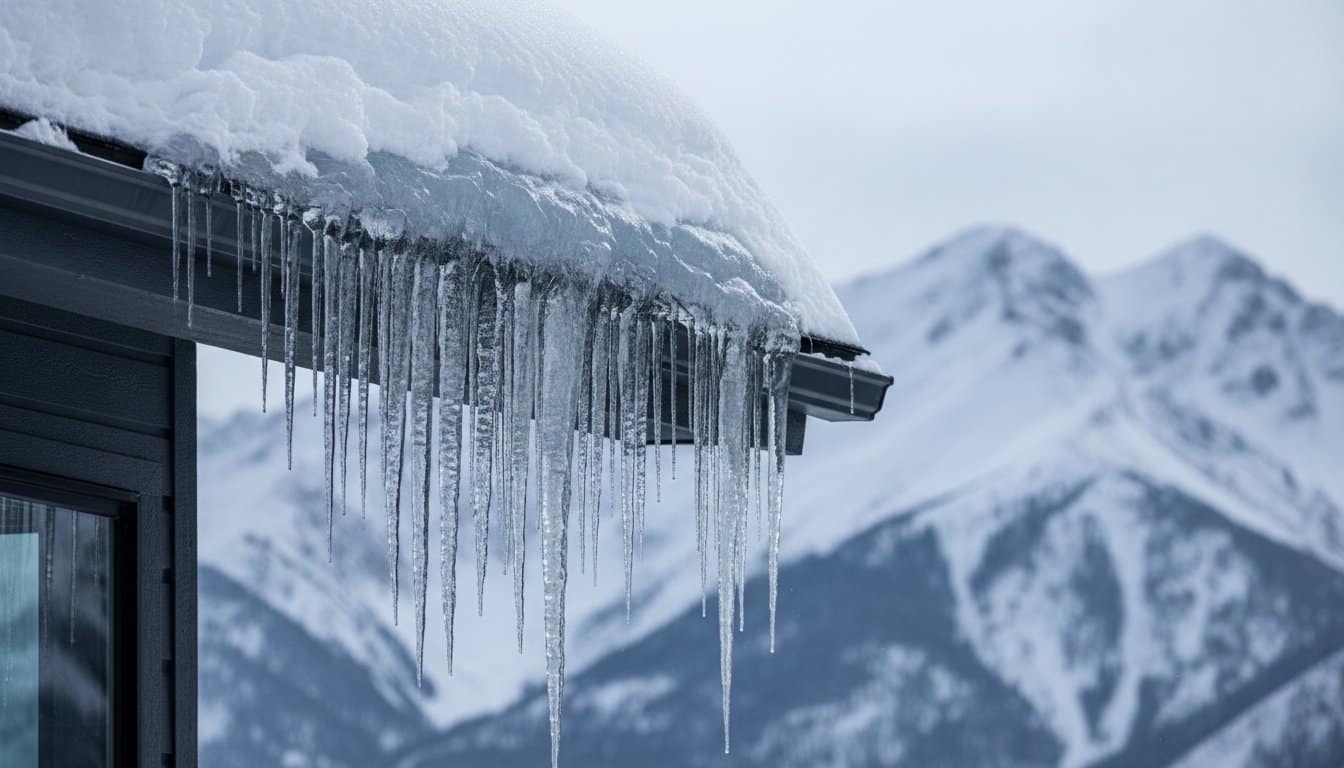
- Massive icicles hanging specifically from the eaves or tucked behind your gutters. If the icicles are clear, it often indicates they’re formed from melting snow on the roof rather than just runoff.
- A thick, humped layer of ice visible at the very edge of the roofline, often covered by a fresh layer of snow that hides the true depth of the ridge.
- Water dripping from the soffits or behind the siding during a freeze-thaw cycle, even when it hasn’t rained recently.
Why They Are Dangerous for Your Property
Leaving these ice formations unaddressed invites significant risk to your home’s longevity. The dangers go far beyond a simple leak:
- Structural strain: Ice is significantly heavier than snow. A single cubic foot of ice can weigh nearly 60 pounds, putting immense stress on your roof deck and rafters that they weren’t designed to carry for long periods.
- Mold and mildew: Trapped moisture that seeps into your attic creates a breeding ground for mold. This can compromise your indoor air quality and lead to unhealthy living conditions.
- Gutter damage: The sheer weight of the ice can bend metal or literally pull gutters off the house, leading to expensive repairs come spring.
The Three Ingredients: What Causes an Ice Dam to Form?
Understanding what causes an ice dam requires looking at your roof as a dynamic thermal system rather than just a stationary shield. For a dam to grow, three specific ingredients must exist simultaneously. First, you need a significant blanket of snow. This snow acts as a heavy layer of insulation, trapping heat against the shingles and preventing it from escaping into the atmosphere. Second, there must be a source of heat loss from the home that warms the upper roof deck to above 32°F. Finally, the eaves must remain cold, typically below the freezing point, to catch and refreeze the runoff as it trickles down.
Atmospheric temperature plays a supporting role in this process. While the sun or attic heat melts the snow, the outside air must stay consistently below freezing for the ice ridge to expand. Without that sustained cold at the roof’s edge, the meltwater would simply drip into the gutters. When these conditions align, a cycle of melting and refreezing begins that can add inches of ice to your eaves every single day. If you’re seeing these patterns on your own home, it might be time to consider an active solution like a customized de-icing system before the next storm cycle hits.
The Role of Non-Uniform Roof Temperatures
Most ice dams are the result of a “Heat Exchanger” effect. In this scenario, warm air from your living space escapes into the attic and transfers energy directly to the underside of the roof deck. The science of how ice dams form shows that this heat transfer happens through conduction and convection, creating a temperature imbalance. The eaves stay cold because they extend beyond the exterior walls of the house, meaning they’re exposed to frigid air on both their top and bottom surfaces. An ice dam begins to form the moment the roof surface temperature crosses the 32°F threshold while the eaves remain below freezing.
The Utah Factor: High Altitude and Solar Gain
In the Intermountain West, what causes an ice dam can often be attributed to our unique climate. Our high altitude means the sun’s radiation is significantly more intense, which can melt snow on dark shingles even when the ambient air temperature is 20°F. This is especially problematic on north-facing roof sections. These areas remain in the deep shade for most of the winter, acting as permanent “cold zones” that catch runoff from sun-drenched peaks. Additionally, Utah’s heavy snow loads can frequently bury ridge vents and soffit intakes. When these passive ventilation systems are blocked by two feet of powder, they can’t flush out the rising heat, leading to rapid snowmelt and massive ice formations.
Internal Culprits: How Your Home Leaks Heat
While the snow piling up outside looks peaceful, your home’s interior might be working against itself. Internal heat loss is the primary engine behind the formation of destructive ice ridges. When we look at the government data on What causes ice dams, we find that air leaks, also known as thermal bypasses, are the leading reason attics become too warm. These aren’t just minor drafts; they’re direct pathways that allow conditioned air to escape into the attic space. If your attic isn’t properly sealed, you’re essentially paying to melt the snow on your roof from the bottom up.
Understanding what causes an ice dam means looking past the shingles and into the dark corners of your attic. Inadequate insulation is another major factor, as it allows heat to migrate through the ceiling via conduction. Once that heat is trapped in the attic, poor ventilation prevents it from exhausting out the ridge. Instead, the warm air sits against the roof deck, keeping the shingles just warm enough to melt the snowpack. Exhaust systems like bathroom and kitchen fans only add to the problem if they vent directly into the attic rather than to the outdoors, dumping concentrated heat and moisture exactly where you don’t want it.
Common Thermal Bypass Points
Your attic likely has several hidden “chimneys” that pull heat out of your living space. Unsealed recessed ‘can’ lights are a frequent offender. If they aren’t insulation-contact (IC) rated and properly sealed, they act as constant vents for warm air. You should also check for gaps around plumbing stacks, chimney flues, and attic hatches. In the Intermountain West, the Department of Energy typically recommends an R-value of R-49 to R-60 for Utah attics to minimize this conduction. If your insulation levels are below this range, your roof becomes a prime candidate for recurring ice problems.
The Gutter Myth: Do Gutters Cause Ice Dams?
Many homeowners believe that removing gutters will solve their winter worries. This is a common misconception. Gutters don’t actually trigger the process, but they can definitely exacerbate the buildup. When what causes an ice dam is internal heat loss, the gutter simply acts as a shelf that supports the growing ice ridge. Frozen downspouts are a much bigger concern, as they prevent any meltwater from escaping the roofline, which fuels the dam’s growth. While cleaning your gutters in the fall is essential maintenance, it’s rarely a total solution for a home with a persistent thermal imbalance.
Short-Term vs. Long-Term Ice Dam Solutions
When you see water dripping through a light fixture or pooling on a windowsill, the instinct is to act immediately. However, reacting to the symptoms without addressing what causes an ice dam can often lead to more damage than the ice itself. Homeowners usually find themselves choosing between quick, physical interventions and long-term structural changes. While attic remediation, which involves sealing every air leak and upgrading insulation, is the ideal “passive” fix, it’s often prohibitively expensive or physically impossible in older homes. Understanding what causes an ice dam is only half the battle; the other half is choosing a remedy that doesn’t ruin your roof in the process.
Snow raking is a common “band-aid” solution that many homeowners rely on during heavy storms. While it removes the fuel for the dam, it requires constant physical labor and only works if you can reach the entire roof safely. If you miss even one storm, the cycle begins again. This is why many property owners are moving toward active management. Instead of trying to stop every watt of heat from escaping, these systems use heat-trace technology to create a dedicated drainage path for meltwater, ensuring it reaches the ground before it can refreeze. For a deeper look at how heavy snow accumulation leads to interior water intrusion, our guide on preventing roof leaks from snow buildup covers the full spectrum of protective strategies available to homeowners in the Intermountain West.
The Dangers of DIY Ice Removal
In a moment of panic, it’s tempting to grab a ladder and a hammer. You should resist this urge. Shingles become extremely brittle in sub-zero temperatures; hitting the ice with a shovel or mallet can easily crack the roofing material and void your manufacturer’s warranty. Some suggest using a pressure washer with hot water, but this is equally risky. The high pressure can force moisture directly under the shingles and into your attic, causing the very leak you were trying to prevent. The popular “salt sock” method is another hidden danger. While the chemicals melt the ice, the resulting brine can corrode your aluminum gutters and kill the expensive landscaping at the base of your home.
Why Insulation Isn’t Always Enough
You might have the best insulation money can buy, yet still face winter leaks. This happens because complex rooflines, such as those with deep valleys or dormers, often have “dead zones” where air cannot circulate effectively. In these pockets, heat builds up regardless of your R-value. Homes with vaulted ceilings face an even greater challenge because there is simply no attic space to house traditional insulation. In the reality of a harsh Utah winter, extreme cold can overwhelm even the best passive defenses. If you’re tired of the seasonal stress, it’s time to explore a professional de-icing service that handles the problem for good.
Proactive Prevention: The Power of Professional Heat Cables
When you understand what causes an ice dam, you realize that passive solutions like insulation and ventilation often have physical limits. Many homes in the Intermountain West feature complex architecture, vaulted ceilings, or restricted attic access that makes perfect thermal sealing impossible. In these cases, the most effective strategy isn’t just trying to trap heat; it’s active management. Professional de-icing systems provide a controlled pathway for meltwater to escape your roofline before it has the chance to refreeze into a destructive ridge. This approach shifts the focus from fighting the environment to managing it with precision.
Relying on a professional system means moving beyond the reactive stress of snow raking and emergency chipping. By installing self-regulating heat cables, you’re placing a protective shield on your home that activates only when needed. These systems are designed to address the root of what causes an ice dam by maintaining a clear drainage channel through the snowpack. When paired with advanced controller options, your winter protection becomes fully automated, allowing you to focus on your family’s safety rather than the state of your shingles after every storm.
Self-Regulating vs. Constant Wattage Cables
Not all heating cables are created equal. Self-regulating heat cables are the industry standard for Utah homes because they’re both safer and more energy-efficient than older, constant wattage versions. These smart cables feature a specialized core that adjusts its heat output based on the surrounding temperature. As the air gets colder, the cable works harder; as it warms up, the cable throttles back. This technology creates consistent drainage paths through the ice to prevent water backup without wasting electricity. A professional-grade, self-regulating cable can last up to 20 years with proper maintenance, whereas the “heat tape” found at big-box stores often fails after a single season and can pose a significant fire risk if improperly handled.
Designing for the Intermountain West
Our regional climate demands more than a one-size-fits-all approach. Utah Heat Cable’s design process focuses on the specific high-risk zones of your property, such as north-facing slopes, deep valleys, and internal gutters that never see the sun. Because we’re licensed electrical contractors, we ensure every installation is code-compliant and safely integrated into your home’s electrical system. This custom layout is essential because even a few inches of unprotected gutter can lead to a massive ice buildup that compromises the entire system. Don’t wait for the first leak to discover a weakness in your roof’s defense. Get a custom heat cable quote today and secure your home for the seasons ahead.
Secure Your Home Against the Elements
Winter doesn’t have to be a season of anxiety for your family. By recognizing that what causes an ice dam is a controllable thermal imbalance, you can move from reactive repairs to proactive protection. We’ve explored how internal air leaks and complex roof geometry create the perfect environment for ice ridges. We also know that temporary fixes like snow raking or salt socks often fall short when the extreme mountain cold sets in. These methods simply don’t address the underlying mechanics of heat loss and can even lead to unnecessary shingle damage.
Choosing a permanent, active solution is the most reliable way to maintain clear drainage paths throughout the freeze-thaw cycle. As a licensed electrical contractor specializing in self-regulating cable technology, we provide custom-designed solutions across Utah, Idaho, and Wyoming that address your property’s specific structural vulnerabilities. You can secure your roof this winter with a custom heat-trace system from Utah Heat Cable and enjoy the peace of mind that comes with professional-grade defense. Our team is here to help you prepare your property for the challenges ahead, ensuring your home stays dry and secure through every storm.
Frequently Asked Questions
Is it normal to have some ice on my roof edge?
Small icicles are common after a light dusting of snow, but solid ridges of ice indicate a thermal problem. If the ice spans the entire length of your eaves or begins to grow several inches thick, it’s a sign of significant heat loss. This indicates your roof is functioning as a heat exchanger, which is precisely what causes an ice dam to develop over time.
How much snow is needed for an ice dam to form?
You only need about one to two inches of snow cover to create the insulating blanket required for an ice dam. This thin layer is enough to trap rising attic heat against the shingles, raising the temperature of the roof deck above freezing. Once that process begins, even a small amount of snow provides the fuel for a growing ice ridge at the cold eaves.
Will new gutters stop ice dams from forming?
No, installing new gutters won’t stop the formation of ice dams because they don’t address the root cause of heat loss. While clean, functional gutters help with general drainage, the ice ridge forms on the roof shingles just above the gutter line. If the thermal imbalance in your attic persists, ice will continue to build up regardless of the age or style of your gutter system.
Can I use a pressure washer to remove an ice dam?
You should never use a pressure washer to remove ice from your roof. The high-pressure stream can easily strip the protective granules from your shingles or force water upward into the roof deck. This often results in immediate interior leaks and structural damage. Professional steam removal is the only safe method for clearing ice without compromising the integrity of your roofing materials.
What is the difference between heat tape and professional heat cable?
Professional-grade self-regulating heat cable is significantly safer and more efficient than standard retail heat tape. While heat tape stays at a constant high temperature regardless of the weather, self-regulating cables adjust their output based on the outside air. This prevents overheating and ensures the system only uses the energy necessary to maintain a clear drainage path for meltwater during a freeze-thaw cycle.
How long does a professional heat cable system last?
A professional-grade heat cable system typically lasts between 10 and 20 years when installed by a licensed electrical contractor. The longevity of the system depends on the quality of the cable and the use of advanced controllers that prevent unnecessary wear. Regular inspections and keeping gutters clear of debris will ensure the system continues to protect your home effectively for its full service life.
Does homeowners insurance cover damage caused by ice dams?
Most homeowners insurance policies cover the sudden and accidental water damage caused by a leak, but they rarely cover the cost of the ice dam removal itself. If the damage is found to be the result of deferred maintenance, such as ignoring known insulation issues, the claim could be denied. It’s always best to check your specific policy details regarding “ice damming” coverage limits.
Why do I have ice dams even though my attic is well-insulated?
You may still experience ice dams because insulation only slows down heat transfer; it doesn’t stop air leaks. Even a well-insulated attic can have thermal bypasses around recessed lights, chimneys, or plumbing stacks that dump warm air directly against the roof deck. Understanding that air movement is often what causes an ice dam helps explain why insulation alone isn’t always a complete solution for complex roofs.