You just spent an hour clearing the front path, only to hear a thunderous rumble and see a massive roof avalanche bury your hard work in seconds. It is a frustrating cycle, but the real concern is the physical danger those sudden slides pose to your family, customers, and expensive landscaping. Learning how to prevent snow slides on walkways is a vital step in winterizing your property, especially since winter storms in early 2026 caused over $4 billion in damages and exposed vulnerabilities in roofing systems across the country.
We understand that you want a permanent solution that keeps your entrances clear without the constant need for a shovel. You deserve to feel secure when you step outside during a storm. This guide will teach you the professional methods used to secure your roof using advanced retention systems and self-regulating heat cable technology. We will walk through which products fit your specific roof type and explain how a two-front defense of physical barriers and thermal management can finally provide total peace of mind during the heaviest winter cycles.
Key Takeaways
- Identify the differences between bar systems and individual snow guards to choose the physical anchor that best fits your specific roof type.
- Discover how self-regulating heat cables eliminate the ice dams that often trigger massive slides by keeping vital drainage paths open.
- Master the professional audit techniques required to prevent snow slides on walkways by calculating your roof’s specific pitch and tributary areas.
- Understand why custom-designed de-icing solutions are essential for high-traffic commercial and HOA properties to meet local safety standards.
- Learn how to combine physical retention with gutter heat trace to create a total entrance protection system that ensures lasting peace of mind.
Why Roof Snow Slides Threaten Your Walkways (And How to Stop Them)
A roof avalanche happens in a heartbeat. Thousands of pounds of accumulated snow can release at once, crashing down with enough force to crush anything in its path. This isn’t just a minor inconvenience; it’s a significant safety hazard. The January 2026 winter storm caused over $4 billion in damages across the country, much of it due to roofing systems failing to manage these sudden loads. If you want to prevent snow slides on walkways, you have to understand that you aren’t just managing snow; you’re managing kinetic energy. When a massive snow pack sheds from a height of twenty feet, it can easily destroy gutters, smash expensive deck railings, and pose a lethal threat to anyone entering or exiting your building.
Temperature fluctuations are the primary catalyst for these events. During a typical winter day, the sun warms your roof’s surface, even if the air remains cold. This creates a thin film of meltwater between the shingles and the snow. That water acts as a high-speed lubricant, breaking the bond that holds the snow in place. Once that bond is severed, gravity takes over. Beyond the risk of personal injury, these slides often lead to:
- Gutter Failure: The shearing force of sliding ice can rip gutters and downspouts completely off the fascia.
- Landscaping Destruction: Heavy snow drops can snap branches of mature shrubs and crush ornamental garden beds.
- Vehicle Damage: Cars parked near the eaves are frequently dented or have windshields shattered by falling ice chunks.
The Physics of the Slide
Every roof has a “critical angle” where the weight of the snow overcomes the friction of the roofing material. In our region, we deal with “lake effect” snow that is notoriously dense and moisture-heavy. This type of snow adds weight to your structure much faster than dry, powdery snow. To manage this, Snow guards are installed to act as physical anchors. These systems work by either holding the snow pack in place until it melts or by breaking the sliding mass into small, harmless pieces before it clears the eave.
Identifying High-Risk Walkway Areas
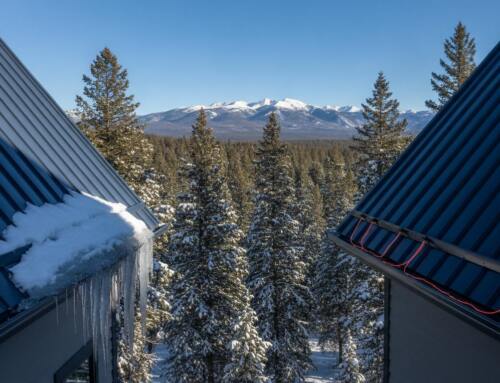
Not every section of your roof requires the same level of protection. North-facing entrances are particularly dangerous because they rarely receive direct sunlight, allowing ice to build up and refreeze into a solid, heavy mass. You should also look for roof “valleys.” These areas act like funnels, concentrating snow from two different slopes into a single, high-pressure discharge point over your path. If you have a metal roof, the risk is at its peak. Metal surfaces lack the natural grip of asphalt shingles, making it much easier for the entire snow pack to shed at once. Pinpointing these zones is the first step to effectively prevent snow slides on walkways and ensure your property remains accessible throughout the season.
Installing Snow Retention Systems to Prevent Sudden Slides
While managing meltwater is essential, physical barriers provide the mechanical strength needed to hold thousands of pounds of snow in place. These systems act as a permanent anchor, ensuring that a heavy accumulation doesn’t become a dangerous projectile. To effectively prevent snow slides on walkways, you must choose a system that matches both your roof’s material and the specific snow load requirements of your local area. A properly engineered roof snow retention layout considers the pitch of your roof and the “tributary area,” which is the total surface area contributing snow weight to a specific eave.
The choice between different hardware types often comes down to the volume of snow you expect and the visual profile you want for your property. Professional installers don’t rely on guesswork; they use data from standards like the ASCE 7-22 to ensure the system can withstand the pressure of back to back storms without failing.
Snow Guards vs. Snow Fences
Individual snow guards are small, cleat-like devices distributed across the roof surface. They are ideal for residential homes with asphalt shingles because they blend into the roofline, especially when color-matched to the existing material. In contrast, snow fences or bar systems are continuous rails installed near the eave. These are the gold standard for high-volume commercial entrances and steep metal roofs. Fences provide a more robust mechanical stop, which is necessary when protecting high-traffic walkways where a single failure could lead to a serious injury.
Material Compatibility and Durability
The mounting method is just as important as the guard itself. For standing seam metal roofs, we use specialized non-penetrating clamps. These grip the seam tightly without piercing the metal, which preserves your roof warranty and prevents future leaks. Asphalt shingles and tile roofs require bracket-mounted systems that are fastened directly into the structural rafters. You should be cautious of “stick-on” or adhesive-based guards often found in big-box stores. These frequently fail during extreme cold snaps because the bond becomes brittle and snaps under the shearing force of a heavy slide. If you have a metal roof, understanding the specific requirements of a snow retention system for metal roofs is essential to selecting hardware that won’t compromise your panels or void your warranty.
Thermal movement refers to the natural expansion and contraction of roofing materials as temperatures fluctuate, which can loosen poorly installed retention systems over time. To account for this, professional systems are designed to allow for slight shifts without compromising the seal of your roof. By combining the right hardware with a licensed installation, you create a reliable shield that keeps your entrances clear and your family safe throughout the harshest winter months.
Integrating Heat Cables for Comprehensive Walkway Protection
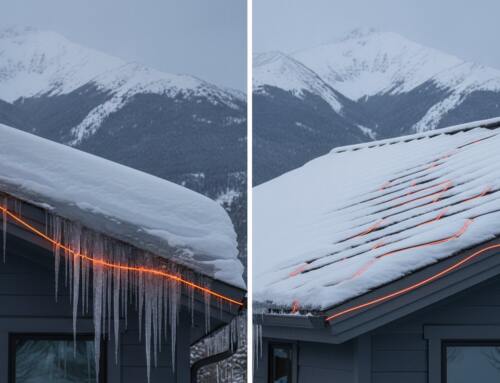
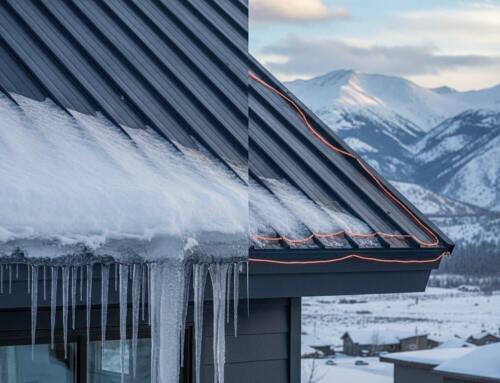
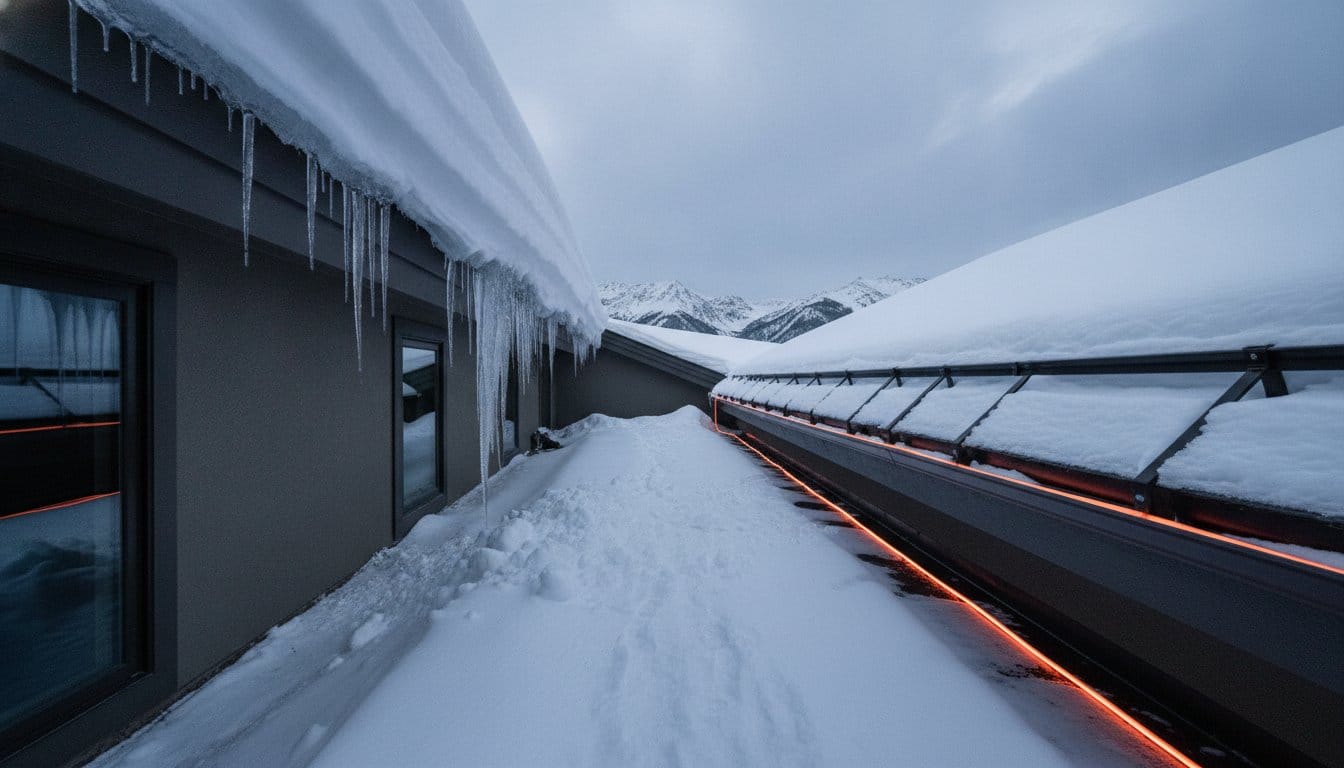
Physical snow retention is only half the battle. If you hold snow on a roof without providing a clear exit for meltwater, you risk creating ice dams. These dams act like secondary barriers that trap additional snow, leading to massive, unstable overhangs that can break free without warning. To truly prevent snow slides on walkways, you must integrate heat trace technology to keep your drainage paths open. This thermal management ensures that the water created by natural roof melt actually reaches the ground rather than refreezing into a dangerous ledge of ice.
A common mistake in property maintenance is treating snow guards and heat cables as separate, unrelated systems. In reality, they work in tandem. While the physical guards provide the mechanical strength to stop a slide, the heat cables manage the phase changes of the snow itself. Without this thermal component, a physical guard can sometimes contribute to ice buildup by slowing down the natural shedding of moisture from the roof surface.
Preventing the ‘Ice Dam Slide’
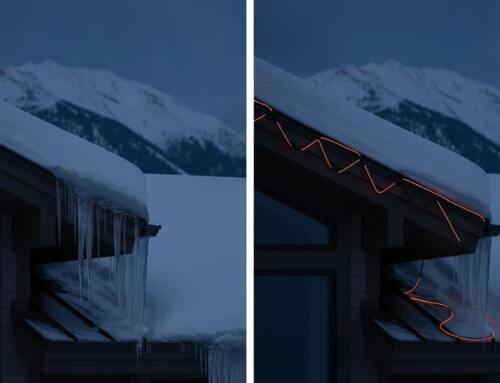
When snow retention systems hold a heavy pack in place, the underside of that pack eventually melts due to building heat loss. If your gutters and eaves are frozen solid, that water has nowhere to go. It pools behind the snow guard and refreezes, creating a wedge of ice that can eventually lift the snow pack and push it over the barrier. Self-regulating heat cable solves this by creating dedicated “melt paths” through the snow and ice. This synergy ensures that while the physical guard holds the mass, the thermal system evacuates the water, keeping the load stable and preventing the formation of heavy icicles over your path.
Choosing the right cable is a matter of efficiency and long term safety. Constant wattage cables run at a single temperature regardless of the weather, which can be wasteful and potentially damage sensitive roofing materials. We prefer self-regulating heat cable because it automatically adjusts its heat output based on the surrounding temperature. When it’s colder, the cable draws more power to melt ice; as it warms up, it throttles back to save energy. It’s a smarter, more durable solution for properties that face the intense “lake effect” cycles common in our region.
Sidewalk and Driveway De-Icing Systems
Total entrance protection extends beyond the roofline. Even if you stop the roof avalanche, a slick walkway remains a liability. Radiant sidewalk and driveway de-icing systems are installed directly beneath the concrete or pavers to ensure the “landing zone” beneath your eaves remains dry and clear. By pairing roof level protection with ground level melting, you eliminate the need for corrosive salts or constant shoveling. This is the final step in creating a truly safe environment for high traffic areas.
To manage these complex systems effectively, we use advanced controller options. These sensors detect both moisture and temperature, activating the heat only when conditions for ice or snow are actually met. This precision prevents the system from running on dry, cold days, which significantly improves energy efficiency. For commercial properties and HOAs, this level of automation provides a documented layer of safety that manual maintenance simply cannot match.

A Step-by-Step Guide to Protecting Your High-Traffic Entrances
To effectively prevent snow slides on walkways, you must move from understanding the theory to executing a precise plan. This isn’t a project where “close enough” works. A successful installation requires a methodical approach that accounts for the unique physics of your specific roofline. You’re building a defense system that must remain structural under thousands of pounds of pressure, so every measurement matters.
First, conduct a visual audit of your roof’s pitch. Steeper slopes generate significantly more velocity during a release. Next, you must calculate the “tributary area” of the roof section overhanging your entrance. This involves measuring the horizontal distance from the ridge to the eave and multiplying it by the width of the section. This number tells you exactly how many pounds of snow your retention system will be expected to hold. Don’t guess these numbers; use a tape measure to ensure your hardware is rated for the actual load.
Choosing a system isn’t just about style; it’s about elevation. A home in the Salt Lake valley has different requirements than a property at 7,000 feet in Park City. You must select a retention system rated for your local elevation’s specific snow load, which is governed by standards like the ASCE 7-22. Finally, plan your electrical layout for heat trace cables. These must be positioned to clear drainage paths without interfering with the mechanical fasteners of your snow guards or fences.
The Walkway Safety Audit
Before you install any hardware, look for the “scars” of previous winters. Bent gutters or crushed downspouts are clear indicators of past snow slides. You should also identify where meltwater pools on the walkway after a storm. These pooling areas become high risk zones that refreeze into black ice, creating a secondary hazard beneath the roofline. Mapping these zones allows you to prioritize where physical retention and heat trace cables will provide the most benefit to prevent snow slides on walkways.
Professional Planning vs. DIY Mistakes
Many property owners attempt a quick fix with “stick-on” plastic guards. In a harsh mountain winter, these adhesive-based products often fail during the first major cycle because they cannot handle the shearing force of dense, wet snow. Another common error is improper heat cable spacing. If the cable loops are too wide, you will end up with “ice bridges” that allow snow to pile up and eventually slide over the top of the system.
A factor of safety for snow retention in alpine climates ensures the system can support at least double the anticipated maximum snow load to account for unpredictable weather extremes and ice weight. Because these systems involve both structural attachments and complex electrical work, you should consult a specialist to verify your roof’s integrity. To ensure your high-traffic entrances remain protected all winter long, contact us for a professional snow retention design that meets local building codes and safety standards.
Designing a Custom De-Icing Solution with Utah Heat Cable
For commercial property managers and HOA boards, winter safety involves more than just clearing a path. It requires a documented, engineered strategy to manage the unique risks of your specific roofline. Professional design is non-negotiable in these high-traffic environments because the liability of a sudden roof avalanche is too great to leave to chance. To effectively prevent snow slides on walkways, we look at the building as a complete system, ensuring that every retention bracket and heat trace loop is positioned to handle the maximum anticipated load for your specific elevation.
Our process begins with a custom heat-trace design that accounts for your roof’s architecture and power requirements. Because we are licensed electrical contractors, we don’t just lay cable; we ensure your entire system is code-compliant and safely integrated into your building’s electrical panel. This professional oversight is vital for system longevity. A poorly installed system might work for one season, but our goal is to provide a permanent, reliable shield that stands up to the intense “lake effect” cycles and heavy alpine snow loads found throughout Utah, Idaho, and Wyoming.
Custom Heat Trace and Snow Melt Solutions
We tailor our solutions to meet the distinct needs of residential, industrial, and HOA properties. While a single-family home might prioritize aesthetic blending with color-matched snow guards, an industrial warehouse requires high-capacity bar systems and robust self-regulating heat cables to protect loading docks. Professional-grade materials are the foundation of our work. By using advanced self-regulating technology, we provide systems that are more energy-efficient and durable than standard off-the-shelf options. We also offer ongoing support to ensure your de-icing systems are ready to perform before the first freeze of the season.
Your Next Steps for a Safer Winter
The best time to secure your property is well before the first storm clouds gather over the mountains. We recommend requesting a professional site assessment during the late summer or autumn months. During this visit, we will evaluate your roof’s pitch, identify existing drainage issues, and calculate the exact tributary areas for your walkways. You can expect a methodical installation process where we secure all physical retention hardware and test every foot of heat cable for proper thermal output. This comprehensive approach ensures that when the heavy snow begins to fall, your entrances remain clear and your residents or customers stay safe. Protect your walkways with a custom snow melt system from Utah Heat Cable.
Securing Your Property Before the Next Storm
Protecting your entrances requires a strategic balance of mechanical strength and thermal control. By combining custom engineered snow retention layouts with self-regulating heat cables, you address both the physical weight of the snow pack and the dangerous melt-refreeze cycles that create unstable overhangs. These professional methods provide the only reliable way to effectively prevent snow slides on walkways, ensuring that heavy accumulations stay in place or melt away safely rather than releasing as a sudden avalanche.
As licensed electrical contractors specialized in Intermountain West climates, we understand the unique challenges posed by our local winter cycles. We take pride in delivering precision work that prioritizes your family’s safety and your property’s long-term durability. Don’t wait for a heavy winter storm to expose your roof’s vulnerabilities. Request a Professional Walkway Safety Assessment from Utah Heat Cable today to ensure your high-traffic zones are fully protected. You can face the coming winter with confidence, knowing your home or business is shielded by master-level craftsmanship and proven technology.
Frequently Asked Questions
Do snow guards cause roof leaks if they are screwed in?
Professional installation ensures that snow guards don’t cause leaks. For standing seam metal roofs, we use non-penetrating clamps that grip the seam without piercing the metal. On asphalt shingles, we use specialized brackets with industrial-grade sealants and fasteners that are integrated into the structural rafters to maintain a watertight seal. This methodical approach preserves your roof’s integrity while providing the mechanical strength needed to hold heavy snow in place.
Will snow guards work on a shingle roof or just metal?
Snow guards are highly effective on both shingle and metal roofs. While asphalt shingles have a rougher texture that provides some natural friction, steep pitches still allow for sudden releases during a thaw. Installing these systems is the best way to prevent snow slides on walkways regardless of your roofing material. We tailor the attachment method to your specific roof type to ensure the system remains secure through back to back storms.
How many snow guards do I need to prevent slides on my walkway?
The number of guards required depends on your roof’s pitch and the total “tributary area” above the entrance. A single row of guards is often insufficient for steep slopes or regions with heavy lake effect snow. We use engineered layouts to determine the exact staggered pattern and spacing required to hold the specific snow load of your elevation. This precision prevents the hardware from being overwhelmed by a massive accumulation.
Can heat cables prevent snow from sliding off my roof?
Heat cables are designed to manage meltwater, not the weight of a snowpack. While they are essential for preventing ice dams and keeping gutters open, they lack the mechanical strength to stop a sliding mass of snow. You must use a physical retention system to prevent snow slides on walkways and use self-regulating cables as a secondary thermal defense. Together, they create a comprehensive shield for your property.
Is it better to use a snow fence or individual snow guards?
Snow fences are typically superior for high-traffic commercial entrances or very steep metal roofs because they provide a continuous mechanical stop. Individual guards are often preferred for residential homes where maintaining curb appeal is a priority. The best choice depends on the volume of snow your roof accumulates and the level of protection required for the landing zone below. Both systems offer reliable security when properly engineered.
What happens if I don’t install snow retention on a steep metal roof?
Failing to secure a steep metal roof often results in sudden roof avalanches that can release thousands of pounds of snow instantly. This force frequently rips gutters off the fascia, crushes expensive landscaping, and creates a significant injury risk for anyone near the eaves. Without retention, the smooth surface of the metal allows the entire snowpack to shed at once when a thin layer of meltwater forms underneath.
Do I need an electrician to install roof heat cables?
Hiring a licensed electrical contractor is essential for installing heat cables to ensure the system is safe and code-compliant. Professional installers manage the complex power requirements and sensor configurations needed for automated controllers. This prevents common DIY issues like circuit overloads or improper cable spacing. Working with a specialist ensures your system activates only when needed, providing both safety and energy efficiency throughout the winter.
How much does a snow retention system cost to install?
The investment for a snow retention system depends on the linear footage of your eaves and the complexity of your roof’s architecture. Factors like the choice between continuous bar systems or individual guards also impact the final scope of the project. We provide custom site assessments to determine the most efficient layout for your specific property. This ensures you receive a solution that matches your local snow load requirements without unnecessary hardware.