Heat trace systems help protect pipes, roofs, gutters, and other areas from freezing temperatures. But the heat cable is only one part of an effective system. The controller also plays an important role.
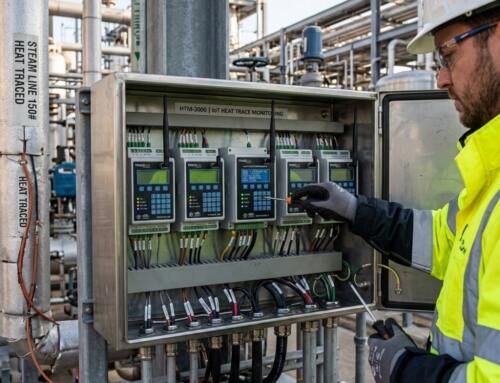
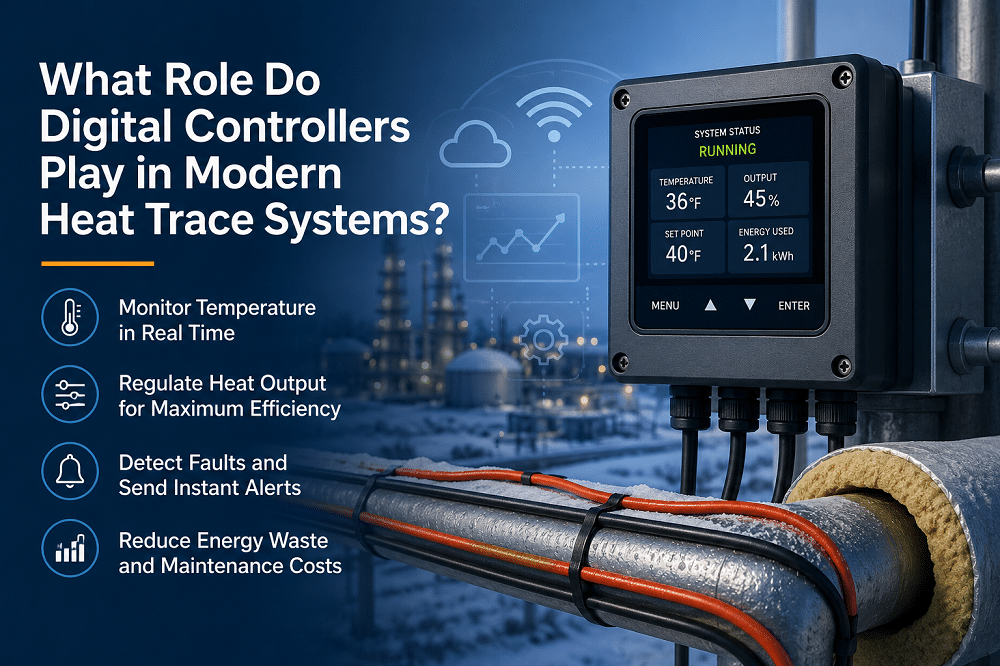
Modern digital heat trace controllers give property owners and facility managers greater control over their heat trace systems. They can monitor temperatures, respond to changing conditions, manage heat output, and identify potential problems.
Compared with basic thermostats, digital controllers offer more flexibility and useful information. They can also help reduce energy waste, maintenance costs, and unexpected downtime.
For professional system design and installation, Utah Heat Cable installers can help determine which control solution fits your property and heat trace application.
What Is a Digital Heat Trace Controller?
A digital heat trace controller is an electronic control system that manages when and how a heat trace system operates.
Traditional systems may rely on a simple thermostat. The thermostat detects temperature and turns the cable on or off based on a preset setting.
Digital controllers can do much more.
They can collect information from multiple sensors. They can monitor operating conditions in real time. They can also use programmed settings to control the heat trace system automatically.
This creates a more responsive system that can adapt to changing conditions.
Monitoring Temperature and System Conditions
Temperature monitoring is one of the most important functions of a digital controller.
Sensors provide information about the surrounding environment. The controller uses this information to determine when heating is needed.
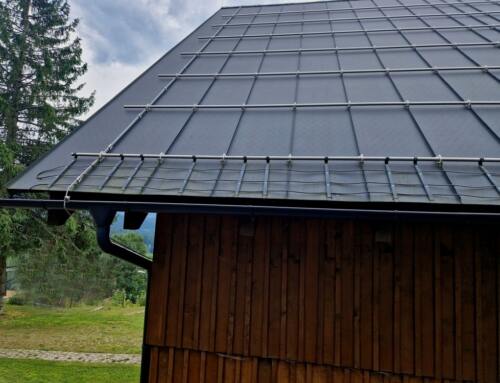
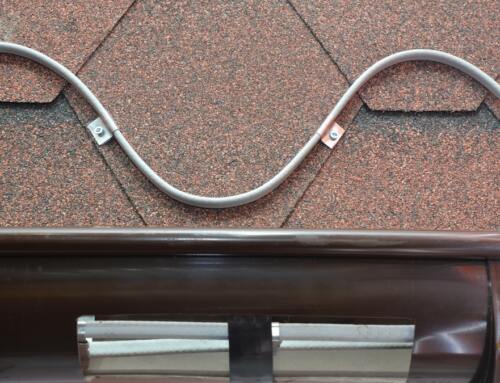
For example, a pipe freeze protection system may need to activate when temperatures approach freezing. A roof or gutter system may use temperature information along with moisture detection to determine when heating is necessary.
Digital controllers can also provide more precise temperature information than basic thermostats. This gives operators greater control over system performance.
Regulating Heat Output More Efficiently
Digital controllers can help heat trace systems operate more efficiently by controlling when heating occurs.
Instead of relying on a simple manual switch, the controller can respond automatically to changing conditions. This reduces unnecessary runtime.
For larger commercial and industrial systems, this can make a significant difference. Multiple heating circuits can be monitored and controlled according to their individual requirements.
The result is a system that provides needed protection without using more energy than necessary.
Advantages Over Traditional Thermostats
Basic thermostats remain useful for many applications. However, digital controllers provide additional features that are valuable for larger or more complex systems.
Programmable settings are one major advantage. Operators can configure temperature thresholds, operating schedules, and other system parameters based on the application.
Digital controllers can also provide real-time diagnostics. Instead of discovering a problem during a physical inspection, an operator may receive an alert when a sensor or circuit isn’t performing as expected.
This additional information makes system management easier and more proactive.
Sensors and Automated Controls
Sensors are an important part of modern digital heat trace systems.
Temperature sensors can monitor surrounding conditions. Moisture sensors can help determine whether snow or water is present. Other monitoring devices may track system performance and electrical conditions.
The controller processes this information and responds according to its programmed settings.
For roof de-icing systems, this can help determine when heating is necessary. For industrial applications, sensors can monitor pipe temperatures and help maintain the desired conditions.
Automation reduces the need for constant manual adjustments.
Digital Controllers for Commercial and Industrial Applications
Digital controllers are particularly useful for commercial and industrial heat tracing.
Large facilities may have dozens or even hundreds of circuits. Monitoring each circuit manually can take significant time and resources.
A centralized digital control system provides a better solution. Facility managers can monitor multiple circuits from a central interface.
The system can identify unusual conditions and alert personnel when attention is required.
This improves visibility across the entire heat trace network.
Reducing Maintenance Costs
Preventive maintenance is easier when operators have access to accurate system information.
A digital controller can help identify potential problems before they become major failures. An unexpected temperature change, sensor fault, or circuit issue may trigger an alert.
Maintenance teams can then investigate the problem before it results in frozen pipes, ice buildup, or other damage.
Early detection can reduce emergency service calls and help extend the useful life of system components.
Reducing Downtime
Heat trace failures can have serious consequences.
A frozen pipe can interrupt operations. Ice buildup can create safety concerns. A failed industrial heat trace system can potentially affect production.
Digital monitoring helps reduce these risks by providing earlier warnings.
Instead of waiting for someone to discover that a system isn’t working, facility managers can receive information about potential issues as they develop.
That faster response can help keep important systems operating.
Improving Energy Management
Energy management is another important benefit.
Heat trace systems don’t necessarily need to operate continuously. Running cables when conditions don’t require heating can increase energy consumption without providing additional value.
Digital controllers help prevent unnecessary operation by responding to actual conditions and programmed requirements.
This can reduce energy waste while maintaining the protection the system was designed to provide.
For larger facilities, monitoring energy usage can also help operators identify inefficient circuits or operating patterns.
A Smarter Approach to Heat Trace Management
Digital controllers have changed what heat trace systems can do. They provide more than basic on-and-off control.
With temperature monitoring, sensors, automated controls, programmable settings, and real-time diagnostics, modern controllers provide better visibility and greater control.
They can also help reduce maintenance requirements, minimize downtime, and improve energy efficiency.
For homeowners, commercial property managers, and industrial operators, the right controller can make a heat trace system easier to manage and more reliable throughout the year.
If you’re planning a new system or upgrading an existing one, Utah Heat Cable can help you select and implement a control solution suited to your property’s needs. A properly designed digital control system can provide dependable protection while making your heat trace system more efficient and easier to manage.