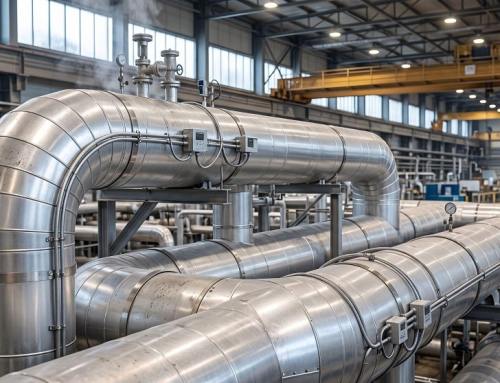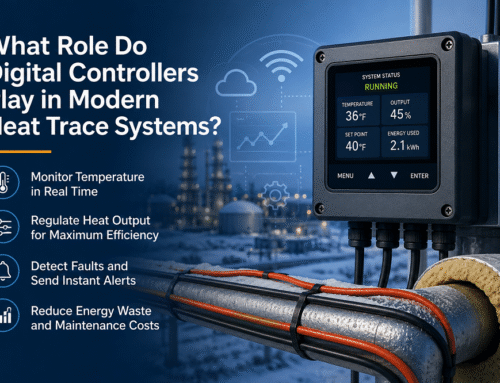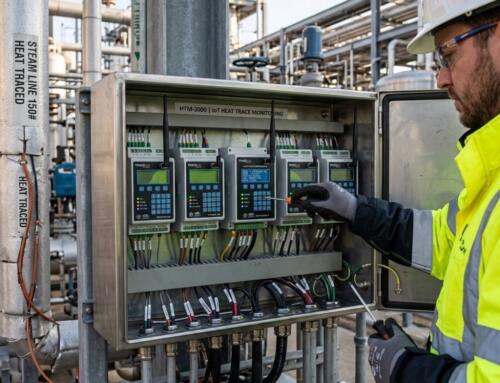

When temperatures drop below freezing, exposed pipes can quickly become vulnerable to costly damage and operational disruptions. Self-Regulating heat cable pipe freeze protection provides a reliable way to protect residential, commercial, and industrial piping in extreme cold.
Unlike basic heating cables that deliver a fixed amount of heat, self-regulating heat cable automatically adjusts its heat output based on the surrounding temperature, providing more heat when conditions get colder and reducing output as temperatures rise.
What Are Self-Regulating Heat Cables?
Self-regulating heat cables are designed to change their heat output based on the temperature around the cable.
When the surrounding temperature drops, the cable produces more heat. As temperatures rise, the cable produces less heat.
This is different from constant-wattage heat cable. Constant-wattage cable produces a consistent amount of heat regardless of the surrounding temperature.
The variable output of a self-regulating cable allows the system to respond to changing conditions. It can provide additional heat when temperatures become extremely low without producing the same output when conditions become milder.
How Do They Prevent Pipes From Freezing?
A self-regulating heat cable is installed along a pipe that needs protection. The cable provides heat to the pipe and helps maintain the temperature above freezing.
This is especially useful for pipes located in exposed or poorly heated areas. Examples include outdoor water lines, plumbing near exterior walls, industrial piping, and water supply systems.
When temperatures fall sharply, the cable responds automatically. It increases heat output in colder areas.
This helps provide consistent freeze protection without requiring constant manual adjustments.
Why Freeze Protection Matters in Extreme Conditions
A frozen pipe can cause more than a temporary interruption.
A burst pipe can result in water damage, equipment damage, costly repairs, and operational downtime. In commercial and industrial facilities, a frozen line may also interrupt important processes.
Water supply systems can be particularly vulnerable. Pipes that are exposed to freezing air need reliable protection during severe weather.
Self-regulating heat cable provides an additional layer of protection. It helps maintain pipe temperatures when winter conditions become difficult.
Energy Efficiency Is a Major Advantage
Energy efficiency is one of the biggest benefits of self-regulating technology.
The cable does not need to produce the same amount of heat everywhere or under every condition. Its output responds to the surrounding temperature.
This can reduce unnecessary energy consumption compared with systems that operate at a constant output.
The difference can become especially valuable during long winters. A system that operates for weeks or months needs to be designed with efficiency in mind.
Proper controller selection can improve efficiency even further. A controller can help manage when the system operates based on the needs of the application.
Reduced Risk of Excess Heat
Self-regulating technology also helps reduce the risk of excessive heat output.
As temperatures around the cable increase, its heat output decreases. This makes the system more responsive to its environment.
That doesn’t mean installation can be overlooked. Proper design and installation are still essential.
The cable needs to be appropriate for the application. It also needs to be installed according to manufacturer requirements.
Where Are Self-Regulating Heat Cables Used?
Self-regulating heat cable can be used in many different environments.
Homes may need freeze protection for exposed plumbing or water supply lines. Commercial properties may use heat traces to protect pipes around buildings and other vulnerable areas.
Industrial facilities often have more extensive requirements. Pipes may need to maintain specific temperatures to prevent freezing or support an operating process.
Water supply systems can also benefit from reliable heat trace protection. This is especially important when pipes are exposed to severe winter conditions.
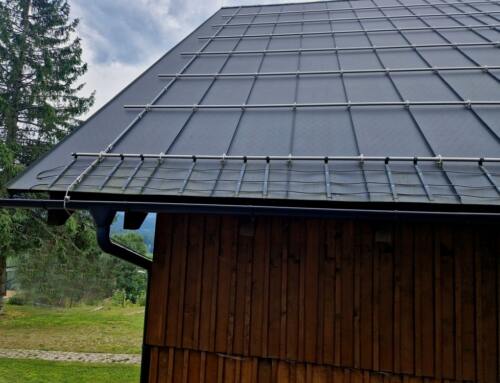
The same technology can also be used for other snow and ice applications. For example, roof snow melt systems in Utah can use self-regulating heat cable to help manage snow and ice around roofs and drainage areas.
Proper Installation Makes a Difference
Even the best heat cable will not perform properly if it is installed incorrectly.
Insulation is an important part of pipe freeze protection. Proper insulation helps retain the heat produced by the cable and protects the pipe from cold outdoor temperatures.
The cable should also be installed securely along the pipe. Proper spacing and placement help provide consistent heat coverage.
Weather-resistant protection is important for outdoor applications. Components should be selected and installed to withstand the conditions they will encounter.
Controller integration is another consideration. A properly selected controller can help automate system operation and improve energy management.
Why Professional Installation Matters
Every pipe freeze protection project is different.
The pipe material, location, insulation, minimum temperature, and environmental conditions can all affect the system design.
A professional can evaluate these factors and determine the appropriate cable and installation method.
This helps prevent common problems such as insufficient coverage, improper cable placement, or an unsuitable control system.
Professional installation also provides an opportunity to inspect the entire application. Small details can make a significant difference in long-term performance.
Reliable Protection When Temperatures Drop
Extreme winter weather doesn’t give pipes much room for error. A reliable freeze protection system helps reduce the risk of frozen lines and costly damage.
Self-regulating heat cables provide an important advantage because they respond automatically to temperature changes. They deliver more heat when conditions become colder and reduce output as temperatures rise.
When combined with proper insulation, suitable controls, and weather-resistant installation, they can provide dependable protection for residential, commercial, and industrial applications.
For dependable pipe freeze protection and professionally designed heat trace solutions, turn to Utah Heat Cable. Their experience can help you select and install a system designed to provide reliable protection, improve energy efficiency, and keep essential piping systems operating when temperatures drop.