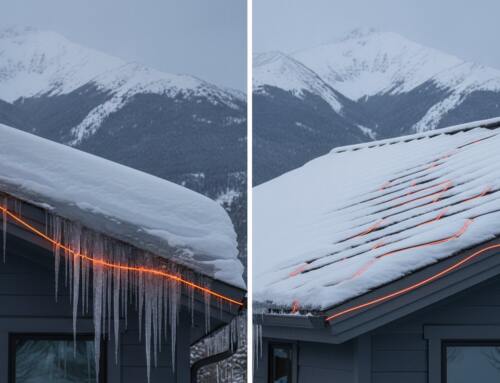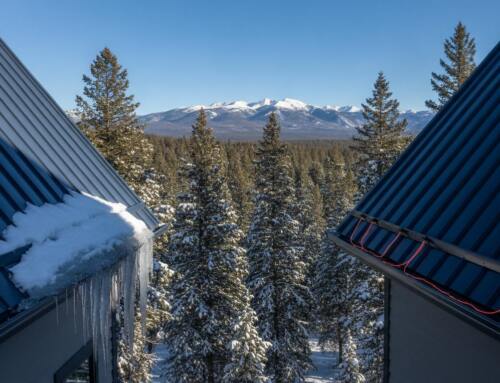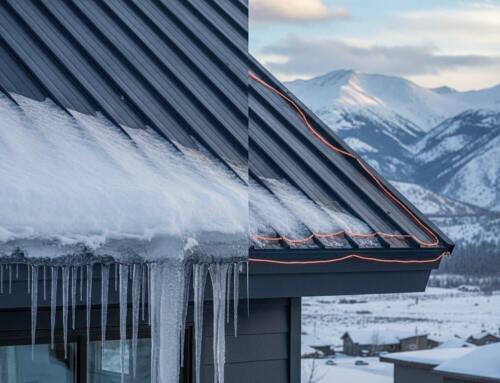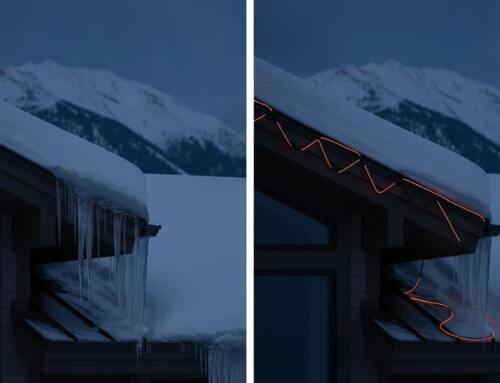
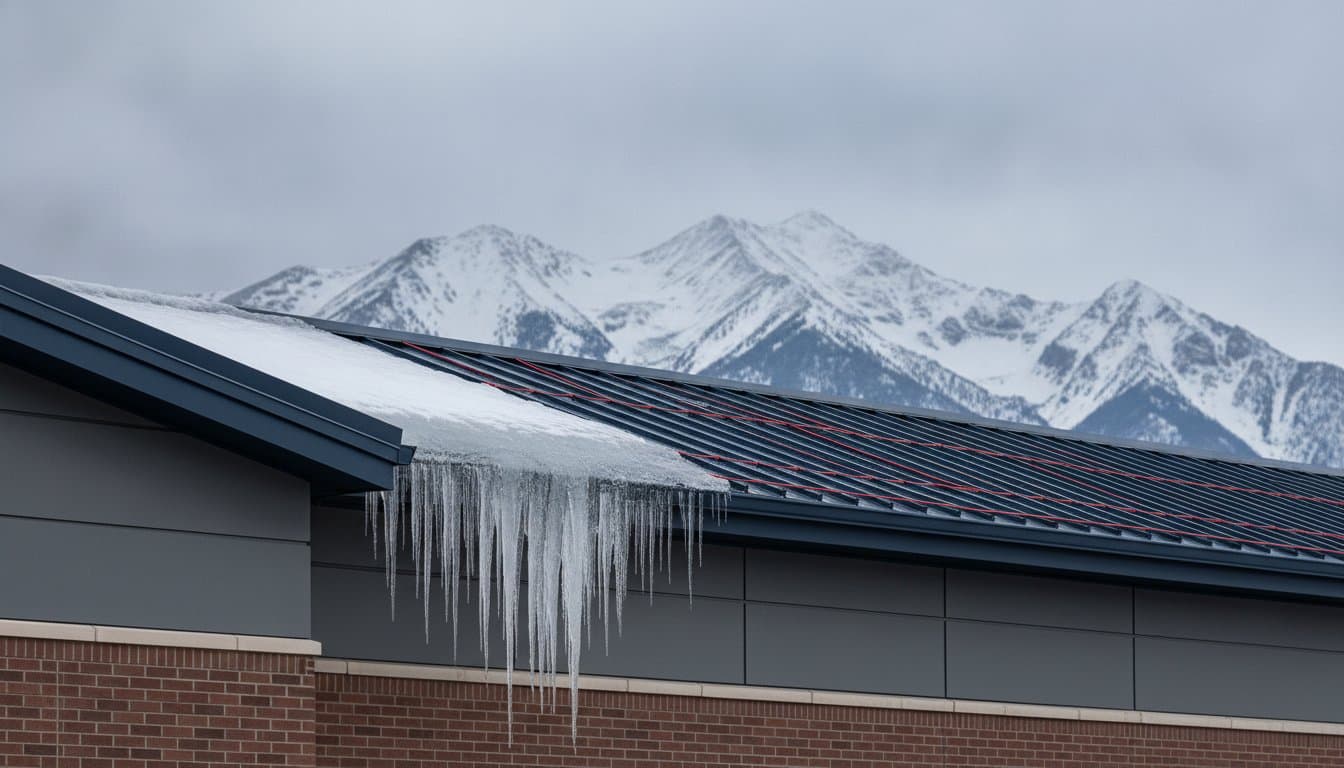
Imagine walking into your office on a Monday morning only to find a steady drip from the ceiling and a massive ice dam blocking your main entrance. For many local business owners, this isn’t just a hypothetical situation; it’s the reality of relying on retail-grade heat tape that wasn’t built to survive a Wasatch winter. You already know that inefficient systems can send energy costs skyrocketing, and the liability of falling icicles at your entrance is a risk you simply can’t afford to take. You need a system that actually works.
This guide will show you how to secure your property with a commercial self regulating heat cable utah system designed for high-efficiency de-icing and full compliance with the 2024 International Building Code. We will walk through how these smart systems lower your operational costs through automatic heat adjustment, ensure your facility meets the latest National Electrical Code standards, and provide the “set it and forget it” structural protection your business deserves for decades to come.
Key Takeaways
- Learn how the conductive core of a self-regulating system automatically adjusts its heat output to prevent ice dams while minimizing energy waste.
- Discover why pairing a commercial self regulating heat cable utah system with automated moisture sensors is the most cost-effective way to manage large-scale property de-icing.
- Understand the critical material differences between industrial-grade fluoropolymers and cheap retail cables that frequently fail after a single Wasatch winter.
- Get a step-by-step breakdown of how to calculate linear footage and heat loss factors to ensure your custom system is perfectly sized for your roof’s unique altitude and insulation.
- Identify the specific Utah electrical codes and licensing requirements necessary to keep your commercial property compliant, safe, and fully insured.
What is Commercial Self-Regulating Heat Cable?
At its core, a commercial self-regulating heat cable system is a sophisticated electrical solution designed to manage snow and ice buildup on large rooftops. For Utah businesses, this technology is particularly vital due to the region’s unique climate challenges. Unlike standard heat tape that remains at a constant temperature regardless of the weather, this cable uses an intelligent core that adjusts its power output based on real-time environmental conditions. This trace heating technology allows the cable to heat up only where it is cold and throttle back where it is warm, providing a localized response at every inch of the run.
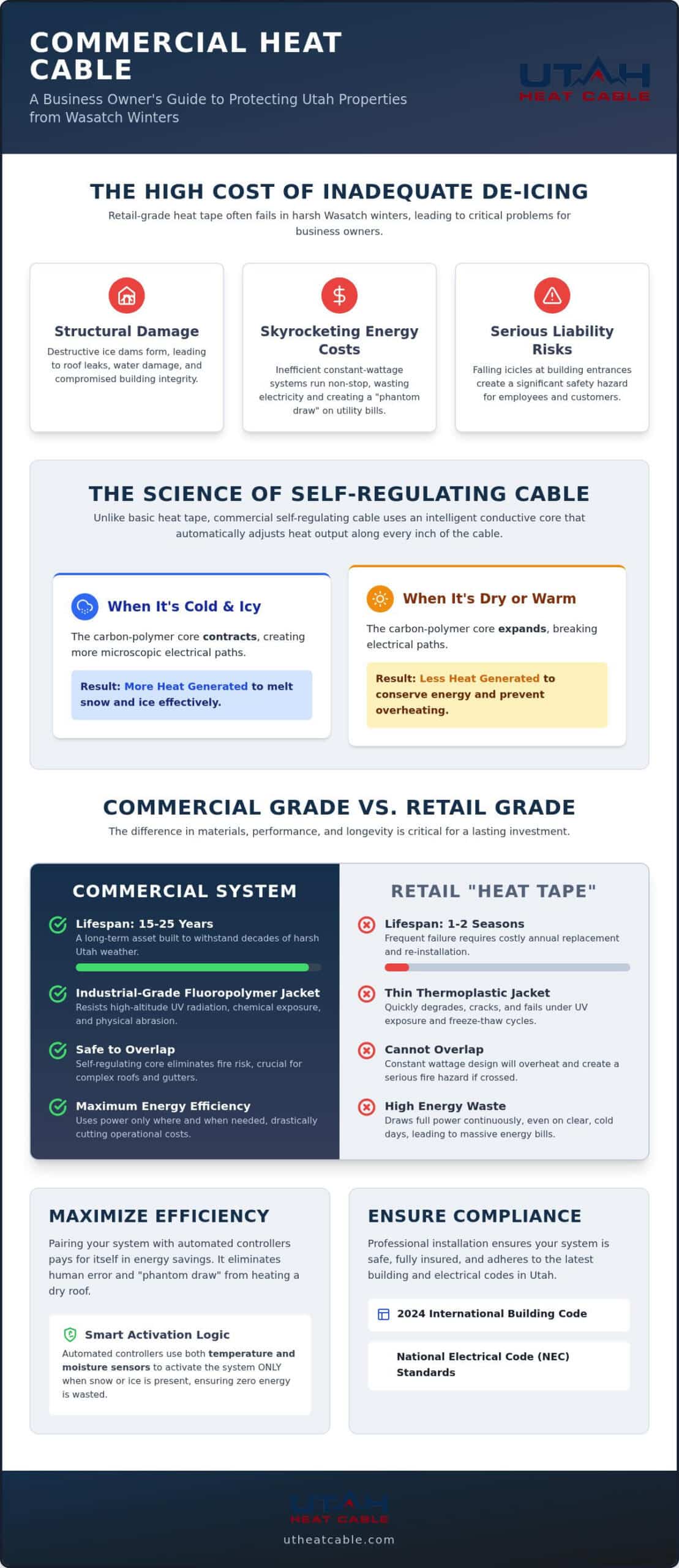
The primary advantage for a business owner is the “self-regulating” aspect. When temperatures drop, the conductive carbon-polymer core contracts. This physical change creates more microscopic paths for electricity to flow, which generates more heat to melt ice. As the sun comes out or the ice clears, the core expands; this breaks those paths and reduces energy consumption. It’s a precise, mechanical response that doesn’t rely on a central thermostat to function at the cable level.
Utah businesses face specific environmental challenges, from the intense UV radiation at high altitudes in Park City to the heavy snow loads along the Wasatch Front. Commercial-grade systems are built with high-grade fluoropolymer jackets that resist these elements far better than the thin thermoplastic materials found in retail products. This durability ensures the system remains a protective shield for your property for 15 to 25 years rather than failing after a single harsh season.
The Science of Self-Regulation
The carbon-polymer core is the engine of the entire system. Because it manages energy independently at every point, you can safely overlap the cable without the risk of a fire or burnout. This is a critical safety feature for complex commercial gutter systems where cables often cross paths in tight drainage valleys. By maintaining a consistent temperature across large roof spans, it effectively prevents the freeze-thaw cycles that lead to destructive ice dams and structural damage.
Key Components of a Commercial System
A professional-grade system is more than just a heating element. It’s an engineered safety tool that includes several specialized layers:
- Bus wires: Two parallel copper wires that provide a consistent power supply across long runs, often reaching several hundred feet without losing efficiency.
- Insulation and Jacketing: A rugged outer layer designed specifically to handle Utah’s high-altitude UV rays and chemical exposure from roofing materials.
- Tinned copper braid: A metallic layer that provides a reliable ground path, which is essential for meeting safety codes and protecting your building’s electrical integrity.
Maximizing Efficiency with Automated Controllers
While the core of a commercial self regulating heat cable utah system is physically designed to adjust its output, relying on the cable alone is rarely enough for a large-scale facility. If your cable is powered on during a dry, freezing night in January, it will continue to draw electricity to maintain its internal temperature. Without an external brain to tell it when to rest, you are essentially paying to heat the sky. This “phantom draw” can add hundreds of dollars to your utility bill over a single winter if left unchecked.
Smart Sensors vs. Manual Switches
Many business owners start with a simple manual switch. It seems cost-effective at first, but it relies entirely on human memory. If a staff member forgets to turn it off during a week of clear, cold weather, the energy waste is substantial. Automated controllers eliminate this risk. Ambient thermostats can be set with a “lockout” temperature; this ensures the system doesn’t waste power when it’s too cold to melt ice effectively. More importantly, moisture sensors detect actual precipitation. If the roof is dry, the system stays off. This combined approach of temperature and moisture sensing typically pays for itself in energy savings within just a few seasons.
Monitoring and Remote Access
For property managers overseeing multiple buildings or large industrial spans, manual inspections aren’t practical. Modern controllers integrate directly into your Building Management System (BMS). This allows you to monitor circuit health and heat output from a single dashboard. You can even customize heat zones. For instance, the north-facing side of a warehouse may require more frequent operation than the south-facing side that gets natural solar melting. If a circuit trips or a sensor fails, the system sends an immediate alert to your smartphone. This proactive monitoring ensures you address a minor electrical issue before it turns into a massive ice dam liability. If you’re looking to optimize your current setup, exploring professional Controller Options is the best way to lower your long-term operational costs.
Commercial vs. Retail Grade: The Utah Standard
Many property owners in the Salt Lake Valley or Park City make the mistake of assuming all heating cables are created equal. They see a roll of “heat tape” at a local hardware store and believe it offers the same protection as a professional system. However, in the harsh environment of the Wasatch Front, these retail products often fail within just one or two seasons. The difference lies in the engineering. High-quality commercial self regulating heat cable utah systems are built with high-grade fluoropolymer jackets, whereas retail versions typically use cheaper thermoplastic materials that brittle and crack under Utah’s intense high-altitude UV rays.
Safety is the most significant differentiator between these two grades. Most retail cables are constant wattage, meaning they emit the same amount of heat regardless of the temperature. If these cables accidentally overlap during installation or due to heavy snow shifting, they can create localized hotspots that lead to fires. Professional self-regulating cables are physically incapable of this. Because they adjust their output at every point, they can safely overlap without any risk of burnout or combustion. When you invest in a professional system, you are choosing a solution with a 20-year life expectancy rather than a temporary fix that requires frequent monitoring.
The True Cost of Cheap Heat Tape
While the upfront price of retail tape is lower, the long-term financial burden is much higher. Labor is often the most significant part of an installation budget. If a cheap cable fails after two winters, you aren’t just paying for new materials; you’re paying a contractor to climb back onto your roof to repeat the entire process. Beyond replacement costs, retail cables are notoriously inefficient. They lack the sophisticated core technology required to throttle power effectively, which often results in higher monthly utility bills. When these systems fail unnoticed, the resulting ice dam damage to your commercial inventory or structural masonry can cost tens of thousands of dollars.
Identifying Professional-Grade Cable
If you’re evaluating a system for your facility, check the technical specifications for UL or CSA listings specifically rated for “Roof and Gutter De-icing.” You should also look for specific wattage ratings. For most commercial applications in Utah, a rating of 6 to 8 watts per foot is the standard required to keep drainage paths clear during a heavy snow cycle. If you want to understand more about the technical differences, you can read our detailed breakdown on Self-Regulating Heat Cable: The Professional Guide to Ice Dam Prevention. Ensuring your system meets these industrial standards is the only way to guarantee your property remains a safe, dry environment for your employees and clients.
Designing a Custom Heat Trace System for Large Properties
Designing a custom system for a sprawling industrial complex or a luxury resort requires more than just stringing wire. It is an engineering process that accounts for every variable of the building’s envelope. A properly designed commercial self regulating heat cable utah system starts with a comprehensive site audit to ensure the solution matches the physical reality of the roof and the local environment.
First, we calculate the total linear footage. This includes every gutter, downspout, and roof valley where snow naturally accumulates. Second, we determine the “Heat Loss” factor. This calculation considers the building’s insulation quality and its specific altitude. A warehouse in Salt Lake City has different thermal needs than a clubhouse in Park City. Third, we map the electrical circuit requirements. Self-regulating cables have a high “inrush” current when they first start up in cold weather. If the circuits aren’t sized correctly, you’ll face constant breaker trips. Finally, we select non-penetrating mounting hardware. For commercial roofs with single-ply membranes, using adhesive-backed clips or specialized brackets is essential to keep your roof warranty intact.
Addressing Complex Roof Geometry
Commercial buildings often feature flat roofs with internal drains. If an internal drain freezes, water can pool and exceed the weight limits of the structure. We focus on “tracing” these drains and ensuring downspouts are heated all the way to the frost line. This prevents water from refreezing at the base and creating hazardous ice patches on sidewalks. For more technical details on these structures, read our guide on Industrial Roof Ice Prevention: Engineering for Safety.
HOA and Multi-Family Considerations
For HOA boards, the challenge is balancing protection for shared assets with aesthetic standards. Designing a commercial self regulating heat cable utah system for these communities requires a balance of power management and visual discretion. We often use color-matched cables and hide controllers in discrete enclosures. Managing power consumption is also a priority, especially when individual units share a common roof line. You can review our specific strategies for these communities in our Ice Dam Prevention for HOAs.
If you’re managing a large-scale property and need a system that meets these rigorous standards, our team can help you develop a custom-designed heat-trace system that ensures long-term reliability and code compliance.
Professional Installation and Compliance in Utah
Protecting your facility with a commercial self regulating heat cable utah system is a significant investment that requires professional oversight. In the state of Utah, installing these systems on a commercial property is not a task for a general handyman. It is specialized electrical work that must be performed by a licensed electrical contractor to ensure both safety and insurance compliance. This requirement isn’t just a legal formality; it’s a safeguard for your building’s electrical infrastructure and a way to ensure your property remains fully covered by your insurance provider.
Every installation we perform adheres strictly to NEC (National Electrical Code) Article 426. This specific article governs “Fixed Outdoor Electric Deicing and Snow-Melting Equipment.” One of the most critical, non-negotiable components of a compliant system is Ground Fault Equipment Protection (GFEP). Standard household GFCIs are too sensitive for long cable runs and will cause constant nuisance tripping. GFEP, however, is engineered specifically for industrial-grade heat trace. It provides a higher trip level that protects the equipment while maintaining absolute safety. At Utah Heat Cable, we take pride in our status as the experts who train other pros in the field, ensuring every system we touch meets these elite standards.
Ensuring Long-Term Reliability
A successful installation doesn’t end when the cable is clipped to the roof. We utilize megger testing, also known as insulation resistance testing, at multiple stages of the project. This process verifies that the cable jacket remains fully intact and that no internal damage occurred during the installation process. In Utah, we also have to account for extreme snow loads that can rip cheap cables right off the eaves. We use high-tension clips and specific placement patterns to ensure the cable stays in the gutter even when a massive snow slide occurs. To keep your system running for its full 20-year lifespan, it’s best to schedule an annual inspection every September, well before the first October freeze arrives.
Next Steps for Your Facility
If you’re ready to move away from temporary fixes and toward a permanent solution, the first step is a professional site evaluation. We will examine your existing electrical panel to ensure it can handle the added load of a de-icing system and provide a custom design proposal tailored to your roof’s specific drainage needs. This proactive approach prevents the stress of emergency repairs in the middle of a blizzard. Contact Utah Heat Cable for a Commercial Consultation today to secure your property and gain the peace of mind that comes from a code-compliant, professional-grade de-icing system.
Securing Your Commercial Property for the Long Haul
Protecting your facility against the weight of a Utah winter requires more than just melting ice; it demands an engineered approach to safety and energy management. By choosing a commercial self regulating heat cable utah system, you’re investing in technology that thinks for itself. These systems adjust their output to match environmental demands while keeping your operational costs low. You’ve seen how industrial-grade materials and automated controllers transform a seasonal liability into a reliable, long-term asset that guards your structure for decades.
As a licensed electrical contractor, our expert team doesn’t just install equipment; we design custom industrial-grade solutions and train the pros who work in this field. We ensure every circuit meets the latest electrical codes so you can focus on running your business with total peace of mind. Don’t wait for the first heavy snow to discover the weaknesses in your roof’s drainage. You can Request a Commercial Heat Trace Design Consultation today to start building a protective shield around your investment. We’re here to help you prepare for whatever the Wasatch Front sends your way.
Frequently Asked Questions
Is self-regulating heat cable better than constant wattage for commercial roofs?
Yes, self-regulating technology is the superior choice for commercial properties because it automatically adjusts heat output based on the surrounding temperature. Unlike constant wattage systems that remain at full power regardless of the weather, self-regulating cables throttle down when they aren’t needed. This prevents the risk of fire from overlapping cables and significantly reduces energy waste, making it the standard for high-performance commercial self regulating heat cable utah installations.
How much energy does a commercial heat cable system use in Utah?
Energy consumption depends on your specific cable rating and the outdoor temperature. A typical 6-watt per foot commercial-grade self-regulating cable draws between 6 and 9.6 watts per foot when surrounded by ice or snow at freezing temperatures. Because the core adjusts its resistance, the system uses less power as the roof warms up. To maximize efficiency, we recommend pairing the cable with automated controllers that only activate the system during precipitation.
Can self-regulating cable be installed on flat commercial roofs?
Yes, self-regulating cable is essential for flat commercial roofs to keep internal drains and scuppers clear of ice. If these drainage points freeze, water can pool and exceed the weight capacity of your roof structure. We design custom layouts that trace the flow of water to the downspouts, ensuring that meltwater has a clear path off the building even during the heaviest Wasatch snow cycles.
Does commercial heat cable require a dedicated electrical circuit?
Yes, commercial de-icing systems always require dedicated electrical circuits with specialized Ground Fault Equipment Protection (GFEP). These systems have a high initial inrush current in cold weather that can easily trip a standard shared breaker. By using a dedicated circuit, you ensure that your de-icing system doesn’t interfere with other facility operations and remains fully compliant with National Electrical Code Article 426 standards.
What is the lifespan of professional-grade self-regulating cable?
You can expect a professional-grade self-regulating system to last between 15 and 25 years when properly maintained. This longevity comes from the high-grade fluoropolymer jackets and rugged internal core materials that resist UV degradation and chemical exposure. In contrast, retail-grade heat tape often fails within two seasons. Regular annual inspections help identify minor issues before they impact the overall lifespan of your investment.
Is a permit required for commercial heat cable installation in Utah?
Yes, most Utah municipalities require an electrical permit for commercial heat cable installations. Because these systems involve high-voltage connections and specific safety requirements like GFEP, local building departments must verify that the work meets current codes. As a licensed electrical contractor, we handle the permitting process to ensure your system is legal, safe, and fully documented for insurance purposes.
How do I know if my existing commercial heat cable is failing?
The most obvious sign of failure is the formation of ice dams or icicles in areas where the cable is installed. You should also watch for breakers that trip frequently, which often indicates a breach in the cable’s insulation. We recommend a professional megger test to measure insulation resistance. This technical check can detect internal core degradation that isn’t visible to the naked eye.
Can I leave my commercial de-icing system on all winter?
While you can leave a self-regulating system powered on all winter, it’s not the most efficient way to manage your facility. Even at low temperatures without snow, the cable will continue to draw some “phantom” power. The best approach is using an automated controller with moisture and temperature sensors. This ensures the system only activates when it’s actually needed to melt snow, lowering your seasonal operational costs for your commercial self regulating heat cable utah setup.