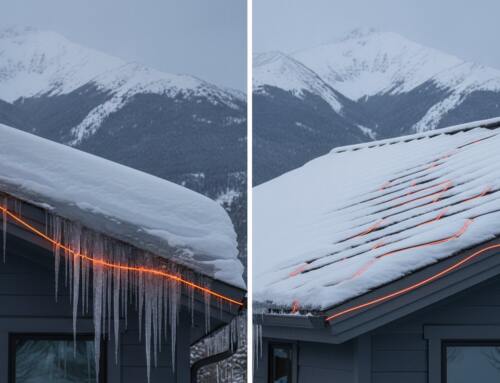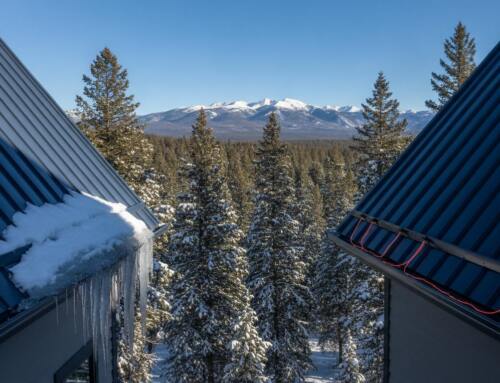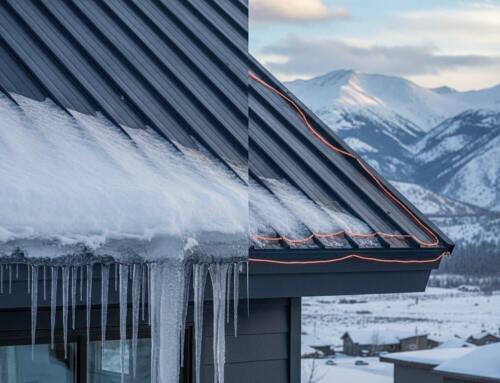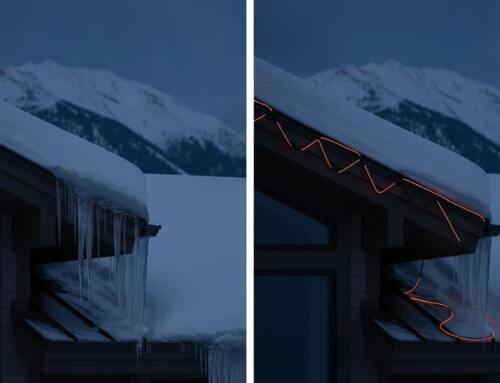
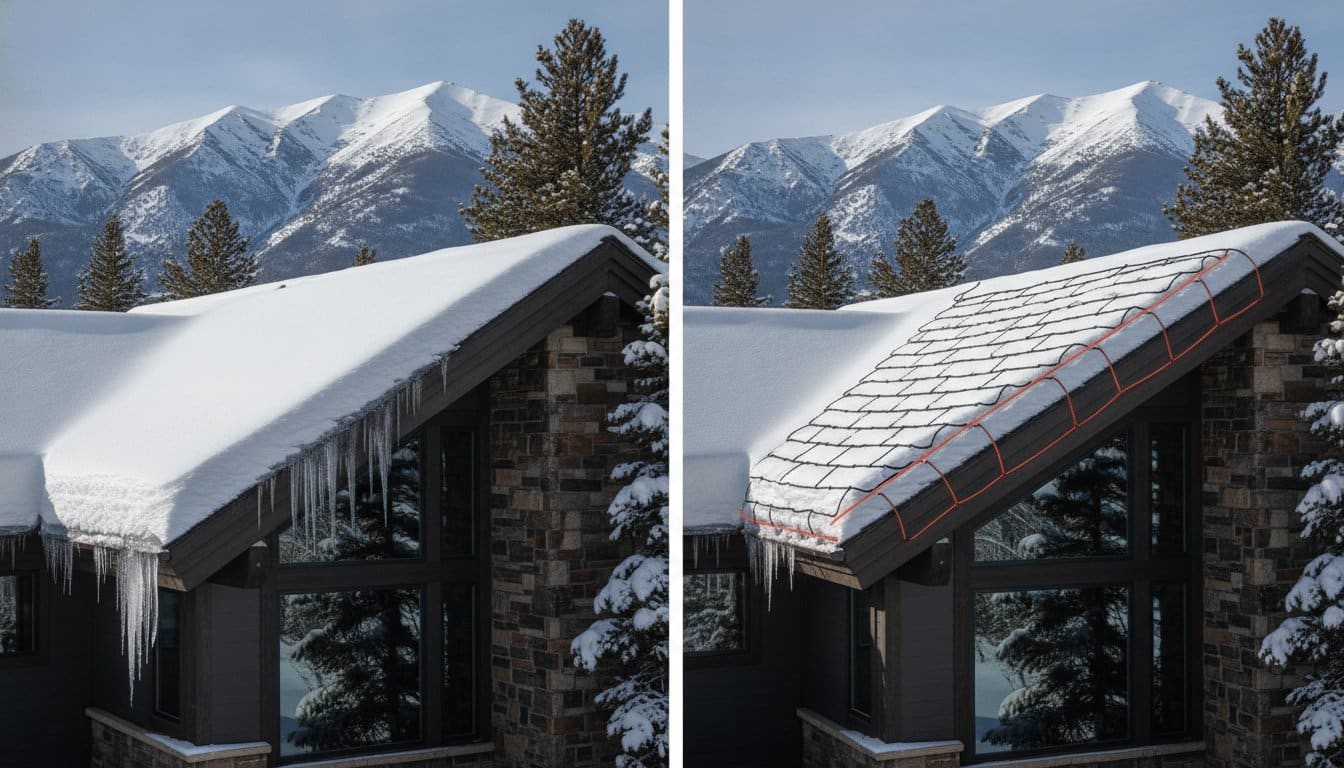
Most homeowners think a few icicles are just part of the mountain charm, but those frozen daggers are often the first sign that your roof is losing a quiet battle against the Wasatch winter. You likely already know the stress of watching snow pile up, wondering if the next thaw will send water into your ceiling or if a massive ice shelf will drop over your front door. Professional heat cable installation Park City property owners can trust is about more than just melting snow. It’s about engineering a system that survives Climate Zone 6 conditions while staying invisible to your HOA and compliant with the latest 2021 International Residential Code.
We understand that a reliable de-icing system is a necessity for protecting your mountain investment. This guide provides a deep dive into expert-grade heat cable systems designed to withstand high-altitude winters and prevent costly ice dam damage. You’ll learn how self-regulating technology can lower your energy bills and why proper electrical installation is the key to a maintenance-free winter. From selecting the right controller options to navigating local building requirements, we’ll walk you through the technical steps to ensure your gutters and roof remain clear and protected all season long.
Key Takeaways
- Understand why Park City’s high elevation creates a unique micro-climate that demands specialized de-icing strategies to combat heavy snow loads.
- Learn why commercial-grade self-regulating technology is the superior choice for professional heat cable installation Park City property owners need to prevent ice dams.
- Discover the critical role of licensed electrical contractors in ensuring your system meets strict building codes and includes necessary GFCI protection.
- Explore how advanced controller options and moisture sensors can lower your seasonal energy costs by eliminating the inefficiency of manual switches.
- Gain insight into how custom-designed systems and snow retention components provide a long-term, maintenance-free shield for your roof and gutters.
The Unique Challenges of Park City Winters & Ice Dam Formation
Living at an elevation of 7,000 feet or higher in the Wasatch Range creates a specific set of environmental pressures that standard roofing often can’t handle alone. Park City’s unique micro-climate produces heavy, wet snow loads that interact with our intense mountain sun and freezing nights. This environment is the perfect breeding ground for ice dams. While the 2021 International Residential Code requires an ice barrier extending 24 inches inside the exterior wall line, this physical layer often isn’t enough to stop water from backing up under shingles when temperatures plummet. Expert heat cable installation Park City residents depend on provides the active intervention needed to keep these drainage paths open.
Certain areas of a mountain home are more susceptible to ice buildup than others. These danger zones include:
- Roof Valleys: Where two slopes meet, snow accumulates deeply and meltwater concentrates.
- Dormers: These vertical projections create pockets where snow gets trapped and heat escapes through the walls.
- North-Facing Slopes: Areas that rarely see the sun stay frozen longer, allowing dams to grow thicker over weeks.
- Gutters and Downspouts: If the exit path is frozen, the entire system fails, leading to massive ice accumulations on the eaves.
Why Park City’s Freeze-Thaw Cycle is Brutal on Roofs
The science behind an ice dam is simple but destructive. Heat escaping from your attic melts the bottom layer of snow on your roof. This water trickles down until it reaches the eaves, which are colder because they extend beyond the heated living space. In the Wasatch Range, our diurnal temperature swings are extreme. The sun might melt the surface snow during the day, but as soon as it drops behind the peaks, that water flash-freezes. This cycle repeats daily, building a wall of ice that eventually prevents any further drainage. Utilizing electric heat tracing creates a dedicated channel for this water to escape before it can turn into a solid block.
The High Cost of Ignoring Ice Buildup
Ignoring a growing ice dam is a gamble that rarely pays off. Beyond the obvious threat of interior leaks that ruin drywall and insulation, the sheer weight of an ice dam can compromise your home’s structure. Large ice shelves can weigh hundreds of pounds, putting immense stress on gutters and fascia boards. There’s also a significant liability factor; massive icicles hanging over entryways or walkways pose a genuine safety risk to guests and family. Over time, the moisture trapped behind a dam leads to wood rot and mold growth, which can quietly devalue a luxury property and lead to repairs that far exceed the cost of a preventative de-icing system.
Choosing the Right System: Self-Regulating vs. Constant Wattage
Selecting the right hardware for heat cable installation Park City requires a clear understanding of the difference between temporary retail fixes and permanent engineering. Many homeowners start with “heat tape” from a big-box hardware store, only to find it brittle and non-functional after a single season. These retail products are often low-grade constant wattage cables that lack the durability and intelligence required for our 7,000-foot elevation. Professional-grade systems, however, are built with heavy-duty components designed to remain flexible and effective for 10 years or more.
The primary choice for a mountain property is between self-regulating and constant wattage technology. While both can melt snow, they operate on entirely different electrical principles. For most Park City residences, the decision impacts not just the safety of the roof, but also the monthly utility bill and the long-term maintenance requirements of the home. Homeowners seeking a broader overview of permanent solutions may also benefit from reviewing Park City heat cable and snow melt services designed for high-altitude homes.
Self-Regulating Heat Cable: The High-Altitude Specialist
Self-regulating cable is often called “smart cable” because of its unique conductive core. This core is made of a carbon-polymer material that responds to ambient temperatures without needing a separate thermostat for every inch of the run. As the temperature drops, the core contracts, creating more electrical paths and increasing heat output exactly where it’s needed. If one section of the cable is buried in a deep snow drift while another part is exposed to the afternoon sun, each segment adjusts its output independently. This prevents the system from wasting energy on clear sections of the roof.
This technology is particularly valuable in the Wasatch Range because it won’t overheat. Even if the cable is overlapped in a tight gutter or valley, it simply throttles back its own heat. We prioritize systems with UV-stabilized outer jackets, which are essential for surviving the intense solar radiation at high altitudes. If you are looking for a system that balances performance with efficiency, you may want to explore our self-regulating heat cable options for your next project.
Constant Wattage: When (and When Not) to Use It
Constant wattage systems operate much like a standard light bulb. They provide a fixed amount of heat along their entire length as long as they are powered on. While these systems have a lower upfront cost, they are significantly less efficient than self-regulating alternatives. They consume the same amount of electricity on a 35-degree day as they do during a sub-zero blizzard. This lack of flexibility often leads to much higher monthly energy costs for the homeowner.
There is also a higher risk of system failure if the installation isn’t perfect. If constant wattage cables touch or overlap, they can create hot spots that lead to burnout or damage to the cable jacket. Because of these limitations and the extreme variability of Park City weather, we typically recommend self-regulating systems for residential applications. Constant wattage is generally reserved for specific commercial or industrial scenarios where a very high, consistent heat output is required regardless of the ambient conditions.
Professional Installation Standards & Electrical Code Compliance
In the state of Utah, commercial-grade heat tape must be installed by a licensed electrician. This isn’t merely a suggestion for quality; it’s a legal requirement that ensures your home’s electrical system can handle the significant load of a de-icing system. While a general handyman might understand how to attach a cable to a shingle, they often lack the specialized training to perform the complex load calculations required for heat cable installation Park City projects. At Utah Heat Cable, our approach is centered on “doing it once and doing it right,” providing a level of precision that comes from being the experts who actually train other professionals in the field.
Safety is the primary driver behind strict installation standards. Every system we design adheres to National Electrical Code (NEC) 426, which governs fixed outdoor de-icing equipment. This code requires dedicated circuits to prevent overloading your home’s internal wiring. We also ensure every installation includes specialized Ground Fault Circuit Interrupter (GFCI) protection designed for equipment, not just people. These safeguards prevent electrical fires and ensure the system operates reliably even when buried under several feet of heavy Wasatch snow. A professional installation means your system won’t trip the breaker the moment you need it most.
Custom System Design for Complex Park City Rooflines
Park City architecture is renowned for its beauty, but complex rooflines with multiple valleys, crickets, and dormers create significant drainage challenges. We don’t use a “one size fits all” layout. Instead, we map out the specific thermal needs of your roof, calculating the exact linear footage required to keep flow paths open. This process often includes integrating our cables with existing roof snow retention systems. If snow guards and heat cables aren’t coordinated, a single heavy snow slide can rip your investment right off the eaves. We ensure every component works in harmony to protect your gutters and fascia.
HOA and Aesthetic Considerations: Hidden Heat Solutions
Many luxury communities in Park City have strict HOA guidelines regarding the visibility of exterior utilities. The traditional “zig-zag” cable pattern, while effective, isn’t always the right fit for high-end mountain aesthetics. We specialize in concealed systems and heated roof panels that provide the same ice-melting power without the industrial look. By color-matching cables and utilizing low-profile mounting clips, we can create a system that is virtually invisible from the street. Whether your HOA requires total concealment or just a more refined installation, we provide the technical expertise to keep your home compliant and beautiful.
Maximizing Efficiency with Advanced Controllers and Maintenance
Many homeowners in the Wasatch Range find that the most expensive part of their winter isn’t the snow removal; it’s the electric bill. While self-regulating technology provides a baseline of efficiency, the real “brain” of the system is the controller. A manual toggle switch is the leading cause of wasted energy in mountain homes. It’s easy to flip the switch during a November flurry and forget about it until April, leaving your system running 24/7 through clear skies and sunny afternoons. This oversight can lead to hundreds of dollars in unnecessary utility costs every month.
The goal of a professional heat cable installation Park City project is to create a system that only consumes power when the risk of ice damming is present. By moving away from manual operation, you ensure that your roof stays protected without the financial leak of a constant electrical draw. High-quality smart controllers often pay for themselves through energy savings within just two seasons, making them one of the most cost-effective upgrades for any mountain property.
Smart Controllers: Set It and Forget It
Modern de-icing controls use a combination of sensors to manage power. Ambient temperature sensors are the most common, turning the system on when the air drops below a specific threshold, typically 38 degrees. However, the gold standard for efficiency is a system that utilizes both temperature and moisture sensors. These gutter-mounted probes ensure the cable only heats up when it’s cold enough to freeze and wet enough to form ice. If the air is 20 degrees but the roof is bone dry, the system remains dormant.
For the many second-home owners in our area, Wi-Fi enabled controllers are a game-changer. These allow you to monitor your system’s status and energy usage from anywhere in the world via a smartphone app. For larger commercial properties or luxury estates, we also design systems with load-shedding capabilities. This prevents the de-icing system from creating a massive power surge that could trip main breakers or incur peak-demand charges from the utility company. If you’re ready to upgrade your property’s protection, explore our professional controller options to start saving on energy costs today.
Winterizing and Maintaining Your Heat Trace System
A de-icing system is a mechanical asset that requires an annual checkup before the first Park City blizzard arrives. Debris is the primary enemy of effective heat cable. If leaves or pine needles are trapped in your gutters, they can insulate the cable, preventing it from melting the surrounding ice and potentially causing the system to overheat. A simple fall cleaning is essential to ensure a clear path for meltwater. We recommend a three-step inspection every October:
- Visual Inspection: Check that all clips are secure and the cable hasn’t sagged or been pulled out of position by shifting snow.
- Electrical Testing: Test the dedicated breaker and the GFCI functionality to ensure the circuit is live and safe.
- Sensor Calibration: Clear any dirt or bird nests away from moisture sensors so they can accurately read the environment.
Taking these small preventative steps ensures that when the heavy snow hits, your system is ready to perform. A well-maintained system doesn’t just protect your roof; it provides the peace of mind that comes from knowing your home is shielded against the elements.
Why Park City Trusts Utah Heat Cable for Winter Protection
Choosing a partner for your winter protection is a decision that impacts your property’s safety for the next decade. In a town where winter isn’t just a season but a way of life, you need more than a generic contractor. Our 2026 commitment to the community remains focused on precision engineering and local reliability. We’ve earned our reputation as the “experts who train the pros” because we don’t just pull cable through a gutter; we design integrated thermal solutions. Professional heat cable installation Park City homeowners trust is built on this foundation of specialized electrical expertise and a deep understanding of mountain architecture.
We approach every project as a master craftsman would. This means we analyze the specific physics of your roofline and the electrical capacity of your home before a single clip is installed. We aren’t general roofers who offer de-icing as a sideline service. As licensed electrical contractors, we ensure that every system is balanced, safe, and compliant with the highest industry standards. This level of dedication provides a protective shield for your investment, allowing you to face the first blizzard of the season with total confidence.
Local Experience in Park City Resorts and Cabins
Our team is deeply familiar with the unique property standards found in Deer Valley and Park City Mountain. We understand that luxury mountain homes and commercial lodges have different requirements than a standard suburban roof. We’ve handled industrial-scale projects for expansive HOAs and intricate de-icing for high-end custom cabins. This local familiarity means we already know the common “trouble spots” in your neighborhood and the specific aesthetic restrictions your HOA likely enforces. Being a locally-owned Utah specialist allows us to provide a level of neighborly reassurance that national franchises simply can’t match.
Beyond the Roof: Comprehensive Snow Melt Solutions
Total property care often requires looking beyond the eaves. A clear roof is only half the battle if your entryways and walkways remain treacherous. We specialize in integrating your roof de-icing with permanent Park City heat cable and snow melt solutions for driveways and walkways to create a seamless safety zone around your entire home. Along with these thermal solutions, we often recommend roof snow retention systems to prevent dangerous “roof avalanches” that can damage your new heat cables or injure anyone below.
Every mountain property has its own set of challenges, which is why we don’t believe in “ballpark” pricing over the phone. We invite you to contact David Tanner and our specialized team for a comprehensive 2026 site evaluation. We’ll walk your property, identify the primary risk factors for ice damming, and provide a custom design that balances elite-level protection with energy efficiency. Let us help you secure your home against the elements so you can enjoy the best of the Park City winter without the worry of what’s happening on your roof.
Securing Your Mountain Investment for the Seasons Ahead
Protecting a home in the Wasatch Range requires a shift from reactive repairs to proactive engineering. The combination of self-regulating technology and intelligent controllers creates a system that pays for itself through energy savings and the long-term preservation of your roof. By prioritizing professional heat cable installation Park City homeowners can ensure their properties meet the latest safety codes while maintaining the high-end aesthetics required by local HOAs. It’s about moving beyond temporary fixes to achieve a permanent, automated shield against the elements.
As a Licensed Electrical Contractor specializing in expert design and installation, our team provides the specialized skill needed for high-altitude protection. We are proud to serve the mountain communities of Park City, Idaho, and Wyoming with durable de-icing solutions. Don’t wait for the first heavy snowfall to discover a hidden leak or a dangerous ice shelf above your entryway. You can get a professional heat cable quote for your Park City home today to begin your custom site evaluation. We are ready to help you enjoy a safer, maintenance-free winter.
Common Questions About Park City De-Icing Systems
How much does it cost to run heat cables in Park City during the winter?
Monthly operating costs vary based on your system’s linear footage and local electricity rates. While basic systems can increase bills significantly, utilizing a smart controller with moisture sensors ensures the system only draws power when necessary. This targeted operation keeps costs manageable even during the coldest months of the Wasatch winter by preventing the system from running on dry, sunny days.
Can heat cables be installed on a metal roof in Park City?
Yes, heat cables are highly effective on metal roofs when paired with the correct mounting hardware. Because metal surfaces often lead to sudden snow slides, we typically recommend integrating heat cable installation Park City projects with snow retention systems. This combination prevents sliding snow from tearing the cables off the eaves while keeping drainage paths clear for meltwater.
Do I need to turn my heat cables off when it’s not snowing?
If your system uses a smart controller with ambient and moisture sensors, it will manage itself automatically. However, if you rely on a manual switch, you must turn it off during dry periods to avoid wasting electricity. The cables only need to be active when moisture is present and temperatures are near freezing to prevent ice from forming in your gutters and valleys.
Will heat cable damage my shingles or gutters?
Professional-grade cables are designed to operate at temperatures that are safe for all standard roofing materials, including asphalt shingles and aluminum gutters. Damage typically only occurs with low-quality retail products or improper installations where cables overlap and create dangerous hot spots. When installed by a specialist, the system provides a protective layer without compromising the integrity of your roof.
How long does a professional heat cable system typically last?
A commercial-grade self-regulating system generally has a lifespan of 10 years or more. This is a significant improvement over retail “heat tape,” which often fails after just one or two seasons. The durability of professional systems comes from high-quality conductive cores and UV-stabilized outer jackets that can withstand the intense solar radiation found at Park City’s high elevation.
What is the best time of year to install heat cable in Park City?
The ideal window for installation is late summer or early fall, specifically before the first major freeze in October. Scheduling your project during the warmer months allows for a safer installation process and ensures your system is fully tested before the heavy snow arrives. Waiting until mid-winter often makes the roof too dangerous or icy for a proper, secure installation.
Do I need an electrician or a roofer for heat cable installation?
In Utah, a licensed electrical contractor is required for the installation of commercial-grade de-icing systems. While a roofer understands the exterior of your home, an electrician is necessary to handle the dedicated circuits and GFCI protection required by National Electrical Code standards. Hiring a specialist ensures your home’s electrical panel can safely support the specific power load of the system.
Are there ‘hidden’ heat cable options for HOAs with strict rules?
Yes, there are several low-profile options designed specifically for luxury communities with strict aesthetic guidelines. We can install heated roof panels that blend into the roofline or use color-matched clips and cables that are virtually invisible from the street. These solutions provide the necessary ice dam prevention while maintaining the architectural beauty and HOA compliance of your Park City property.