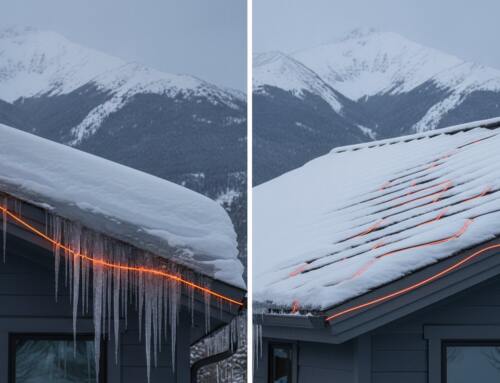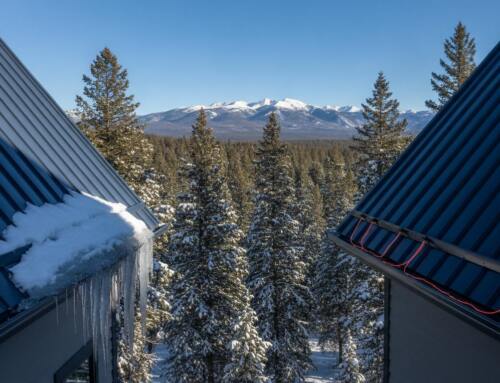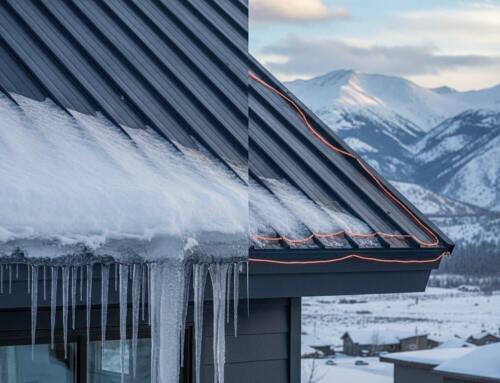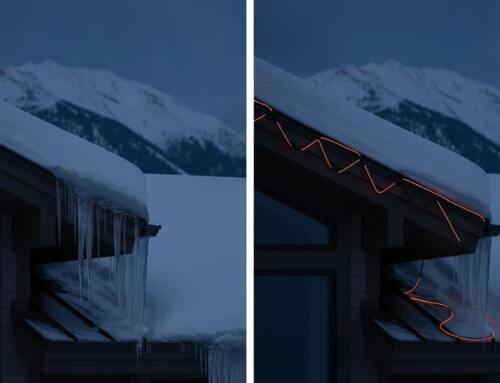
That bargain-bin roll of heat tape from the hardware store might actually be the most expensive purchase you make this season. While these “always-on” cables seem like a budget-friendly fix, they often lead to staggering utility bills and failed protection when a real storm hits. Most homeowners just want to stop ice dams from tearing apart their gutters without feeling like they’re subsidizing the local power company. It’s a common struggle, especially when you’re trying to balance structural safety with a reasonable monthly budget.
You can protect your property effectively by utilizing energy efficient roof de-icing technology that only draws power when it’s actually needed. This guide will show you how to combine the “muscle” of self-regulating cables with the “brain” of smart controllers to stop ice without the waste. We’ll explore the mechanics of professional-grade systems, the long-term ROI of automation, and how to choose a setup that provides genuine peace of mind all winter long.
Key Takeaways
- Compare the long-term costs of structural ice dam repairs against the manageable operating costs of a modern, automated system.
- Understand how self-regulating technology provides the muscle for energy efficient roof de-icing by adjusting heat output based on the ambient temperature.
- Discover how smart controllers act as the brain of your system, ensuring power is only consumed when moisture and freezing temperatures are both present.
- Identify why strategic placement in valleys and downspouts provides better protection than simply adding more cable to your roof.
- Learn why professional electrical installation is necessary to prevent nuisance tripping and ensure your system meets strict safety codes.
The Efficiency Gap: Ice Dam Damage vs. Energy-Efficient Prevention
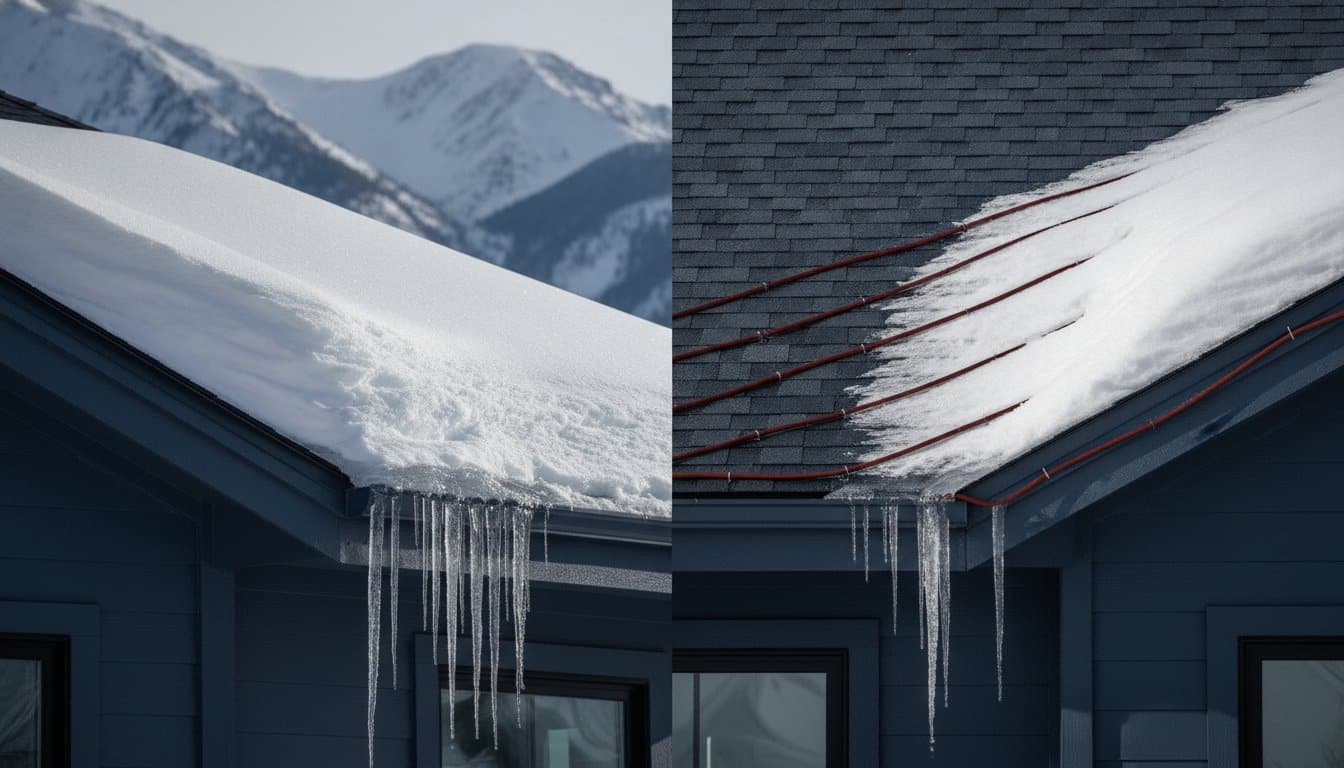
Many homeowners view roof heating as a luxury or a necessary evil that comes with a high price tag. This perspective often stems from a misunderstanding of how heat cables actually function. True energy efficient roof de-icing is a system designed to consume power only when specific freezing conditions are present. It acts as a surgical tool rather than a blunt instrument. When you compare the visible cost of a monthly utility bill to the invisible, compounding costs of structural neglect, the value of a professional system becomes clear.
To understand the necessity of these systems, one must first grasp what an ice dam is and the havoc it wreaks on a building. An ice dam occurs when snow melts on the upper portions of a roof and refreezes at the cold eaves, creating a barrier that traps liquid water. This water eventually finds its way under shingles, into soffits, and eventually through your ceiling. While a power bill is easy to track, the “Total Cost of Ownership” for your home includes the long-term degradation caused by these annual freeze-thaw cycles. Choosing an efficient system is a decision to prioritize the structural integrity of your property.
Why Traditional Heat Tape Fails the Efficiency Test
The thin, “plug-in” cables found at local hardware stores are often referred to as constant wattage cables. These are the primary culprits behind energy waste because they operate at 100% power from the moment they’re plugged in until they’re manually disconnected. They don’t care if the sun is out or if the temperature has risen above freezing; they simply continue to burn electricity. Beyond the financial drain, these consumer-grade products are often prone to fire hazards and have a remarkably short lifespan due to low-quality insulation that cracks under UV exposure. Relying on a manual system means you’re either wasting money or risking damage if you forget to flip the switch before a storm arrives. Understanding the full self regulating vs constant wattage heat cable comparison can help you make a more informed decision before your next purchase.
The Hidden ROI of High-Efficiency Systems
Investing in a professional-grade system pays dividends by extending the life of your home’s exterior components. Ice dams are heavy, and the weight of trapped water can cause gutters to pull away from the fascia or buckle entirely. By maintaining clear drainage paths, you prevent the need for expensive gutter replacements and avoid the granular loss on shingles that occurs when they’re submerged in ice for weeks. Additionally, you eliminate the need for manual snow raking, a practice that’s dangerous for both the homeowner and the roofing material. Energy-efficient de-icing is the strategic application of heat based on real-time environmental data.
Self-Regulating Heat Cable: The Muscle of an Efficient System
If the controller is the brain of the system, the cable itself is the muscle. However, not all muscle is built the same. Achieving true energy efficient roof de-icing requires a material that can think for itself on a molecular level. This is where professional-grade self-regulating heat cable changes the game for homeowners in heavy snow regions. It provides a level of precision that manual “plug-in” options simply cannot match.
At the heart of this technology is a specialized conductive carbon-polymer core. To understand how self-regulating cables work, imagine thousands of microscopic electrical paths within the cable. When the temperature drops, the polymer core contracts, opening up more paths for electricity to flow and generate heat. As the roof warms up, the core expands, closing those paths and naturally reducing the power draw. This happens at every single inch of the cable independently, allowing it to “sense” exactly where the ice is and where it isn’t.
One of the most significant safety advantages of this design is that the cable cannot overheat. Traditional constant wattage cables can actually burn through a roof if they’re crossed over one another. Because self-regulating cables reduce their output as they get warmer, they can be overlapped in tight valleys or gutters without any risk of burnout. This reliability is why we recommend Self Regulating Heat Cable for any long-term residential protection plan.
How Self-Regulation Saves Watts
The efficiency of these systems is best seen in a “micro-level” adjustment. On a crisp winter afternoon, your roof’s sunny ridge might be clear, while the shaded valleys remain packed with ice. A manual system would blast heat across the entire roof, wasting energy on dry shingles. A self-regulating system recognizes the difference. It will pull maximum wattage in the frozen valley while staying nearly dormant on the warm ridge. This power output curve ensures you’re never paying for heat that isn’t actively melting ice.
Commercial Grade vs. Retail Grade Cables
There is a massive divide between the cables found on a retail shelf and the professional systems we install. Retail cables often use thin bus wires and low-grade plastic jackets that become brittle under the intense 2026 mountain-west UV levels. Professional-grade cables feature heavy-gauge copper bus wires and high-performance outer jackets designed for a 20-year lifespan. These systems carry rigorous UL and CSA certifications, which are often a requirement for homeowners insurance compliance in high-risk snow zones. Investing in quality means you’re buying a permanent solution, not a temporary patch that will fail in two seasons. For a deeper look at how these two cable types stack up on safety, longevity, and cost, review this detailed guide on self regulating vs constant wattage heat cable differences.
Smart Controllers: The Brain That Stops Energy Waste
While self-regulating cables are inherently smarter than constant-wattage tape, they still require a sophisticated brain to achieve true energy efficient roof de-icing. Without a dedicated controller, a system relies on a homeowner to manually flip a switch. This often leads to one of two outcomes: the system is left on during dry, sunny days, wasting hundreds of dollars in electricity, or it’s forgotten until an ice dam has already formed. A professional controller removes the human error factor, adopting a “Set and Forget” philosophy that ensures your roof is protected precisely when the weather demands it.
In a typical mountain-west winter, conditions change fast. An automated controller uses logic to decide when to engage the cables. It monitors the environment in real-time, preventing the system from running during “cold-dry” periods where there is no moisture to melt. By adding this layer of intelligence, you transform a simple heating element into a precision-engineered safety system. It’s the difference between leaving a space heater running in an empty room and having a thermostat that maintains a perfect, cost-effective temperature.
Ambient vs. Moisture-Sensing Controllers
Most basic automated systems use ambient temperature sensors. These are programmed to activate when the air temperature falls within a specific range, usually between 30°F and 38°F, where melting and refreezing are most likely to occur. However, the ultimate tool for efficiency is the moisture sensor. These advanced units only allow the system to draw power when they detect actual liquid or snow on the sensor head. This solves the “Cold-Dry” problem. If it’s a clear, freezing night with no snow on the roof, a moisture-sensing system stays dormant, whereas a temperature-only system might continue to run unnecessarily.
Remote Monitoring and WiFi Integration
The landscape of home maintenance has shifted significantly with 2026 smart home technology. Modern Controller Options now include WiFi connectivity and mobile app integration. This allows homeowners to check their system status from anywhere. You can receive instant alerts if a ground-fault occurs or if a power surge trips a circuit. This level of visibility is vital for high-altitude properties where a failed system could lead to thousands in water damage before anyone notices a problem. You can even customize run-times for different areas of the house, perhaps giving a north-facing eave more heat while reducing power to a south-facing gutter that gets natural solar help.
Strategic System Design: Heating Only What You Need
A common mistake in winter property maintenance is the assumption that more cable equals more safety. In reality, an over-engineered system often leads to unnecessary power consumption without providing additional protection. Achieving energy efficient roof de-icing depends heavily on the initial design phase. By targeting specific “trouble spots” rather than blanket-heating the entire roofline, you can maintain clear drainage paths while keeping your electrical load manageable. Precision placement is the hallmark of a professional installation.
Different roof features require different approaches. Valleys, crickets, and dormers act as natural collection points for snow and are the most frequent birthplaces of ice dams. Similarly, the choice of roofing material dictates the layout. Metal roofs, common in high-altitude regions like Park City, tend to shed snow quickly but are prone to massive “slides” that can shear off improperly secured cables. Asphalt shingles, conversely, have a high-friction surface that holds snow in place, requiring a design that focuses on creating melt-water channels to the gutters. Tailoring the layout to these physical realities is the first step in reducing waste.
Targeted Heat Trace Layouts
Environmental orientation plays a massive role in how much heat you actually need. North-facing slopes rarely see the sun in mid-winter, meaning they stay colder longer and require higher wattage densities to keep ice at bay. South-facing slopes often benefit from natural solar gain, allowing for more conservative cable spacing. A strategic design also prioritizes the entire drainage path. This includes downspout “loops” that extend several feet into the ground-level drains. If the water melts on the roof but freezes in the downspout, the system has failed. Integrating Roof Snow Retention can also help by holding the snow pack in place, preventing mechanical damage to the heat cables and allowing them to work more efficiently at the eave.
Calculating the Energy Load
Professional designers don’t guess when it comes to power requirements. We calculate the exact amperage required based on the total linear footage and the specific thermal properties of the cable. For larger residential estates or HOA complexes, this often involves multi-circuit designs. These allow the system to be broken into zones, ensuring that you aren’t drawing massive amounts of power to heat a clear section of the roof just because one shaded valley is still frozen. Professional heat trace design is the process of balancing circuit length with thermal requirements to minimize idle power draw. If you are ready to stop the guesswork and start saving, you can request a custom de-icing design that fits your home’s unique footprint.
Why Professional Installation is the Final Step in Efficiency
The most advanced cable and smartest controller in the world cannot deliver results if they are poorly integrated into your home’s electrical system. Achieving true energy efficient roof de-icing requires more than just high-quality parts; it requires the precision of a specialist who understands the nuances of load balancing and climate-specific challenges. Utah Heat Cable operates as a licensed electrical contractor because we know that a de-icing system is a permanent addition to your home’s infrastructure. It must be treated with the same rigor as any other major electrical installation.
A custom-designed system from David Tanner’s team outperforms “one-size-fits-all” kits because it accounts for the specific circuit requirements of your property. When circuits aren’t balanced correctly, you risk “nuisance tripping” or unexpected energy spikes that drive up costs. By ensuring every foot of cable is mapped to the correct breaker and controller logic, we maximize the lifespan of the hardware and minimize unnecessary electrical draw. This level of detail is simply not possible with a DIY approach or a general handyman service.
The Electrical Safety Advantage
Safety and efficiency go hand-in-hand. National Electrical Code (NEC) compliance is a non-negotiable standard for our team, ensuring that your system is not only effective but also fully compliant with your homeowner’s insurance requirements. Proper grounding and specialized GFCI protection are critical for outdoor heating systems exposed to the elements. Professional connections prevent moisture ingress, which is the leading cause of premature cable failure. When a system is installed to the strict local codes of Utah and Idaho, you gain the peace of mind that comes from knowing your home is protected by a reliable, durable shield.
Getting Your Roof Ready for Winter
The ideal timeline for installing a de-icing system is during the summer or fall months. Waiting until the first major snowstorm often leads to “emergency” installation costs and the stress of dealing with active ice damming. By being proactive, you allow our team to conduct a thorough site assessment and design a layout that targets your roof’s unique trouble spots before they become a liability. You don’t have to navigate another winter of high power bills and structural worry. To take the first step toward a smarter, safer home, you can contact Utah Heat Cable for a professional de-icing consultation and receive a custom heat-trace design tailored to your specific property.
Secure Your Home for the Seasons Ahead
Winter in the Mountain West doesn’t have to mean choosing between structural damage and astronomical power bills. By pairing the molecular intelligence of self-regulating cables with the logic of smart controllers, you can establish a defense system that is both powerful and precise. You’ve seen how strategic design targets only the most vulnerable valleys and eaves, ensuring that every watt of electricity is used for active protection rather than idle heating. This targeted approach is the foundation of a modern, sustainable winter plan.
As a licensed electrical contractor specializing in high-altitude climates across Utah, Idaho, and Wyoming, our team focuses on delivering a permanent solution that stands up to the harshest environmental challenges. We specialize in high-efficiency self-regulating technology to provide energy efficient roof de-icing that respects your budget and your property’s integrity. Don’t wait for the first heavy snow to discover the weaknesses in your current setup. It’s time to invest in a system that offers long-term reliability and professional-grade peace of mind. You can start today by visiting our site to Get a Custom Energy-Efficient De-Icing Quote for your property.
Frequently Asked Questions
How much electricity does a roof heat cable system actually use?
The amount of electricity used depends on the total linear footage of the system and the current outdoor temperature. Professional-grade self-regulating cables typically draw between 5 and 8 watts per foot when they are active. Because these systems adjust their output based on the cold, they naturally use less power as the roof warms up. A well-designed energy efficient roof de-icing system with a smart controller ensures you only pay for the heat necessary to keep your drainage paths clear.
Can I leave my heat cables on all winter?
You can leave an automated system armed all winter, but you shouldn’t leave manual cables running 24/7. Manual systems waste immense amounts of electricity during dry or sunny periods when no melting is required. An automated system uses sensors to stay in a standby mode, only drawing full power when freezing temperatures and moisture are both present. This approach provides constant protection without the financial burden of constant operation.
What is the difference between self-regulating cable and heat tape?
The primary difference lies in the internal core technology and safety. Traditional heat tape is a constant-wattage product that stays at one temperature regardless of the weather, which often leads to cable burnout or wasted energy. Self-regulating cable features a conductive polymer core that naturally increases or decreases heat output at every inch. This allows for safer operation, as the cable won’t overheat even if it’s overlapped in a tight gutter or valley.
Do I need a sensor for my roof de-icing system to be efficient?
A sensor is the most critical component for achieving true efficiency. Without one, the system relies on human intervention, which is often inconsistent and leads to higher bills. Ambient sensors trigger the system based on temperature, while moisture sensors ensure the cables only heat up when there’s actual snow or ice to melt. Combining these sensors with a smart controller prevents the system from running on clear, cold nights when the roof is already dry.
How long do professional-grade roof heat cables last?
Professional-grade systems are designed as a long-term investment and can last 20 years or more with proper installation. In contrast, retail-grade cables found in hardware stores often fail after just one or two seasons due to lower-quality insulation and UV damage. Our industrial-strength jackets are specifically engineered to withstand the intense high-altitude sun and extreme temperature swings common in Utah, Idaho, and Wyoming.
Is it cheaper to run heat cables or repair an ice dam?
Operating an energy efficient roof de-icing system is significantly more cost-effective than repairing the structural damage caused by an ice dam. While monthly power costs are manageable, a single ice dam can lead to thousands of dollars in water damage, ruined insulation, and gutter replacement. Prevention through a professional system acts as an insurance policy that protects your home’s equity and your peace of mind throughout the season.
Will heat cables damage my shingles or gutters?
Heat cables won’t damage your shingles or gutters when they’re installed by a licensed electrical contractor. Self-regulating technology ensures the cable never reaches a temperature high enough to compromise asphalt shingles or melt plastic gutter components. In fact, these systems protect your gutters by preventing the heavy ice buildup that causes metal to buckle and pull away from the fascia under extreme weight.
Can I install energy-efficient heat cables on a metal roof?
You can certainly install these systems on metal roofs, though the design requires specialized clips and strategic placement. Metal surfaces are prone to snow slides that can tear cables off the eave if they aren’t properly secured. We often recommend pairing heat cables with snow retention systems on metal roofs to hold the snowpack in place. This allows the cables to melt the ice safely without facing mechanical stress from shifting snow.