The cheapest heat cable you can buy is often the most expensive investment you’ll make for your home. It’s frustrating to watch a bargain-bin system burn out after a single Salt Lake City winter, leaving you with the same ice dams and gutter damage you tried to prevent. You want a solution that actually works when the snow piles up, not a seasonal headache that spikes your utility bill and requires constant maintenance. Understanding the real roof heating cable installation cost Utah homeowners face involves looking past the initial price tag to the long-term protection of your property.
We believe a reliable de-icing system is about more than just hanging wires; it’s about engineering a professional-grade shield against the elements. This guide provides a transparent breakdown of what goes into a high-quality installation, from the energy efficiency of self-regulating technology to the specific requirements of local building codes. You will learn how to distinguish between temporary fixes and 10-year assets, ensuring your home remains protected from leaks while your winter utility costs stay under control.
Key Takeaways
- Discover why Utah’s unique climate requires specialized materials and how to budget for a system that survives more than one heavy winter.
- Identify the five critical factors, from roof architecture to electrical panel capacity, that will shape your roof heating cable installation cost Utah quote.
- Compare the energy efficiency of self-regulating cables against constant wattage options to find a system that reduces utility spikes and lasts for a decade.
- Learn why professional installation by a licensed electrical contractor is the only way to ensure code compliance and keep your home’s insurance policy valid.
- Find out how custom-designed layouts and strategic off-season scheduling can lower your upfront costs while maximizing your home’s protection.
The Real Cost of Roof Heating Cable Installation in Utah
Utah’s winter environment is uniquely demanding. Between the heavy lake-effect snow along the Wasatch Front and the constant freeze-thaw cycles in high-altitude areas like Park City, standard solutions often fall short. When homeowners research the roof heating cable installation cost Utah requires, they often find national averages that don’t account for our specific climate or local labor market. In Utah, the cost isn’t just about the wire itself; it’s about engineering a system that can withstand the weight of heavy snow loads while remaining energy efficient during the coldest months of January and February.
It’s vital to distinguish between “heat tape” found at big-box retailers and professional-grade heat cable. Retail heat tape is typically a constant wattage product, meaning it stays at one temperature regardless of the conditions outside. Professional systems utilize trace heating technology in the form of self-regulating cables. These advanced cables adjust their heat output based on the ambient temperature. When the roof is cold and covered in snow, the cable works harder; as the sun comes out, it scales back its power consumption. This technical difference prevents the system from burning out after its first season and ensures it functions as a reliable shield for your property.
Average Price Per Linear Foot in the Utah Market
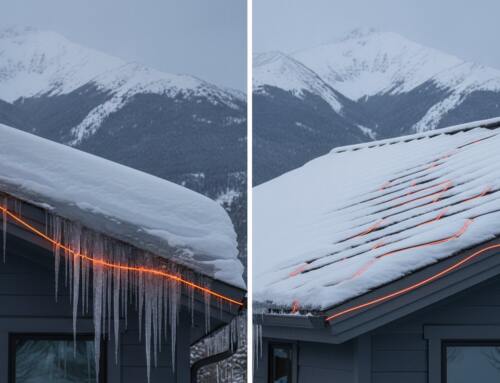
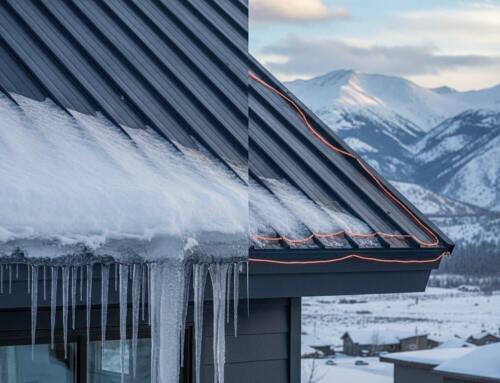
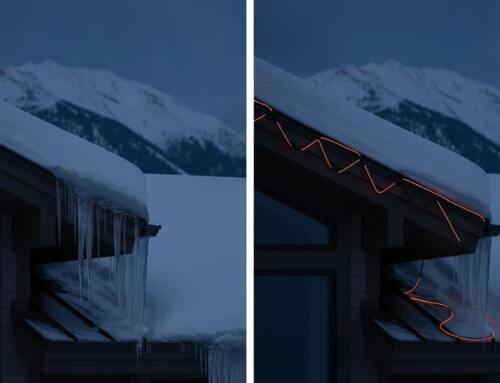
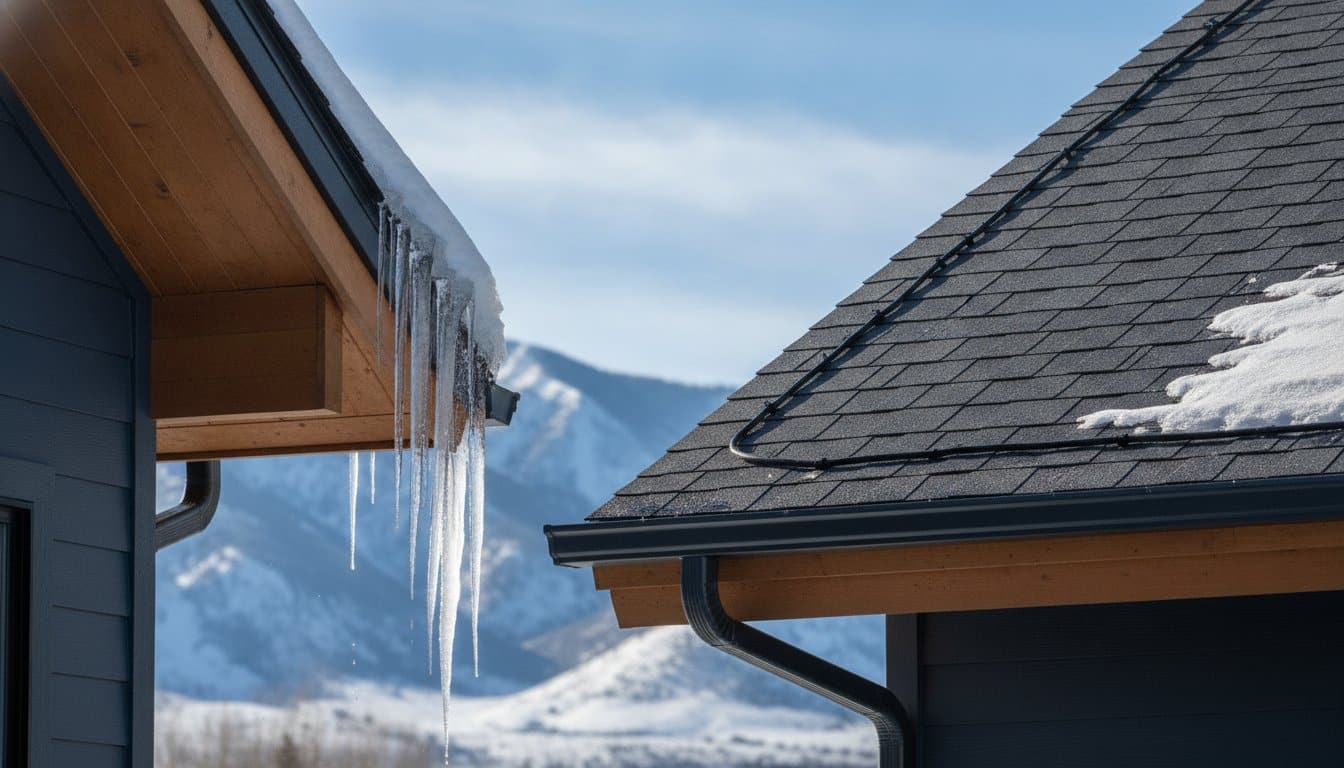
A common mistake is assuming that 50 feet of roof edge requires 50 feet of cable. To create a clear path for meltwater, the cable must be installed in a serpentine, or zig-zag, pattern. This method often requires three to four times the linear footage of the roof edge itself to be effective. Additionally, professionals must factor in the cable needed for downspouts and gutters to ensure the water has a clear path all the way to the ground. In the Utah market, labor costs are influenced by the technical nature of the work. While the mean hourly wage for electricians in Utah is approximately $31.39, which is 9% below the national average, the specialized nature of roof-work and de-icing design often carries a premium for safety and expertise.
Initial Investment vs. Long-Term Property Savings
Think of a professional de-icing system as a specialized insurance policy. A single ice dam can lead to interior water damage, saturated insulation, and structural mold, with remediation costs frequently exceeding $10,000. By investing in a high-quality system, you’re preventing the pooling water that causes roof rot and structural degradation. The return on investment for professional heat cables is defined by the total avoidance of these catastrophic repairs and the extended lifespan of your drainage system. When gutters are kept clear of heavy ice, they don’t pull away from the fascia, saving you from expensive gutter and soffit repairs down the road.
- Electrical Permits: Most Utah counties require a permit for new dedicated circuits, typically costing around $200.
- Controller Options: Automated thermostats, which cost approximately $150, can significantly reduce monthly utility bills by ensuring the system only runs when necessary.
- Custom Design: A system tailored to your roof’s specific valleys and dormers prevents “wasted” cable and reduces long-term energy consumption.
5 Critical Factors Influencing Your Installation Quote
Every home in Utah presents a unique set of challenges. When you request a quote for roof heating cable installation cost Utah homeowners often find that several variables dictate the final number. It’s rarely as simple as measuring a straight line across the eaves. Understanding these factors helps you distinguish between a professional proposal and a low-ball estimate that might leave your property vulnerable when the first heavy snow hits.
Roof Design and Material Requirements
The architecture of your home is the primary driver of material volume. Complex roofs with multiple dormers, deep valleys, and steep pitches require significantly more cable to ensure proper drainage. Metal roofs, common in mountain communities like Park City, require specialized non-penetrating attachment methods. Utah building codes specifically prohibit exposed fasteners that penetrate the roof system, so we use specialized clips to secure the cable without risking leaks. North-facing roof sections are particularly problematic because they receive little to no winter sun. These areas often require more intensive cable patterns to combat the persistent ice dam formation and prevention challenges that occur when snow melts on warmer peaks and refreezes on cold, shaded eaves. Additionally, larger 6-inch gutters and extended downspouts will naturally increase the total footage of cable needed compared to standard residential setups.
Electrical Capacity and Code Compliance
A professional de-icing system isn’t something you just plug into an outdoor outlet. To operate safely and effectively, these systems require a dedicated 20 to 30 amp circuit. If your existing electrical panel is at capacity, you might need a sub-panel upgrade, which adds to the initial investment. In Utah, all heat cable installations must be performed by a licensed electrical contractor to ensure code compliance. This includes the mandatory use of Ground Fault Circuit Interrupter (GFCI) protection. This safety feature is non-negotiable; it prevents fire hazards by shutting off power if a fault is detected in the cable. While a general handyman might offer a lower rate, they often lack the licensing to pull the required permits, which can jeopardize your home insurance coverage. To ensure your system is both safe and compliant, it’s wise to consult with a licensed specialist before the snow begins to fall.
Height and accessibility also play a major role in labor costs. Working on a three-story townhome in Salt Lake City or a steep-pitched cabin in Brian Head requires specialized safety rigging and additional man-hours. The grade of the material also shifts the quote. Industrial-grade self-regulating cables are built with thicker outer jackets and more robust carbon cores than the thin, retail-grade alternatives. Finally, your choice of controller impacts both the quote and your monthly bills. A simple manual switch is the most affordable option, but automated moisture and temperature sensors pay for themselves by ensuring the system only draws power when it’s actually snowing.
Self-Regulating vs. Constant Wattage: Cost and ROI Comparison
Choosing between self-regulating and constant wattage technology is the single biggest decision affecting the roof heating cable installation cost Utah residents pay over time. Constant wattage cables are the older, simpler technology. They operate much like a toaster element; if they are plugged in, they are on at full power regardless of the weather. Self-regulating cables are far more sophisticated. They feature a specialized conductive carbon core that expands and contracts based on the outside temperature. This allows the cable to act as its own thermostat, providing heat only where it’s needed along the length of the wire while scaling back power in warmer spots.
Upfront Cost vs. Operational Expenses
Self-regulating cables have a higher upfront material cost, typically ranging from $2 to $5 per linear foot, whereas constant wattage options sit between $1 and $3. However, the operational savings quickly bridge this gap. Because self-regulating systems only draw maximum power when temperatures drop significantly, they often save homeowners between 30% and 50% on their winter utility bills. For a typical 100 foot run, the monthly electricity cost for a constant wattage system remains fixed and high, while a self-regulating system fluctuates to save you money during milder afternoons. While many homeowners start with temporary measures like electric heat tapes, these are often constant wattage products that lack the intelligence and durability of a professional-grade system.
Maintenance and Reliability Costs
Reliability is where the professional-grade self-regulating cable truly shines as a long-term asset. Constant wattage cables have a major technical weakness: they cannot overlap. If one loop touches another, the cable will overheat and burn out, requiring a complete section replacement. Reducing the long-term roof heating cable installation cost Utah families face means choosing materials that don’t require replacement every other season. Self-regulating cables are inherently safer because they cannot overheat themselves, making them much more resistant to physical damage and the heavy snow loads common in the Wasatch Mountains.
In the harsh freeze-thaw environment of Utah, constant wattage systems often fail within two to three years because the heating element is constantly under stress. A professional self-regulating system is designed to be a 10-year solution. By pairing high-grade cable with advanced sensors, automated controllers further reduce the TCO (Total Cost of Ownership) by preventing unnecessary operation during dry, cold spells. For residential properties, self-regulating is almost always the correct choice for peace of mind. Constant wattage might be a viable, budget-friendly option for very small, isolated areas where the energy draw is negligible, but for the majority of Utah homes, the ROI of a self-regulating system is undeniable.
The Cost of Labor: Why ‘Cheap’ Installers Are a Liability
Hiring a general handyman might seem like a way to trim the roof heating cable installation cost Utah homeowners face, but it often creates a massive financial liability. While the average hourly pay for a roofer in Utah is approximately $22.82, a licensed electrical contractor brings specialized knowledge that prevents catastrophic failures. The primary risk with budget installers is a lack of understanding regarding electrical loads and the specific thermal properties of the cable being used. If a constant wattage cable is improperly overlapped, it can generate enough heat to ignite roof shingles or debris. Professional installers prioritize safety by ensuring that every run is properly spaced and grounded. This expertise prevents the common burn out seen in DIY setups and keeps your property safe for years.
Safety is the most expensive thing you can sacrifice. Most manufacturer warranties are voided immediately if the system isn’t installed by a professional. This means a small savings on labor could cost you the entire value of your hardware if a component fails during a heavy January freeze. If an improperly installed system causes a fire or water damage, your insurance provider may deny the claim if they discover the work was performed without a permit or by an unlicensed individual. This turns a minor savings into a total loss that could have been avoided with professional oversight.
Licensed Electrical Contractors vs. Handymen
In Utah, you can verify a professional’s credentials through the Division of Professional Licensing (DOPL). A licensed electrician doesn’t just hang wires; they design a system that accounts for the specific wattage requirements of your home’s electrical panel. This custom-designed approach is essential for complex architectural features like scuppers, internal drains, and parapet walls where water tends to pool and freeze. A one-size-fits-all installation from an uncertified worker often misses these critical drainage points, leading to ice dams despite the system being powered on. Professionals understand how to navigate these challenges, ensuring your roof heating cable installation cost Utah project is a one-time investment rather than a recurring expense.
Permitting and Inspection Fees in Utah
Cutting corners on permits is a common tactic for fly-by-night installers, but it can haunt you during a future home sale. Typical electrical permits in Salt Lake, Summit, and Utah counties cost around $200. This fee ensures a third-party inspector verifies the work meets the National Electrical Code (NEC). A passed inspection is a permanent record of your home’s safety and value. It provides documented proof that the system is safe to operate, which is a significant selling point in Utah’s competitive real estate market. If you want the peace of mind that comes from a code-compliant system, you should hire a licensed Utah electrical contractor who understands local requirements and safety standards.
Maximizing Your Investment with Utah Heat Cable
A professional de-icing system is a significant addition to your home’s infrastructure. At Utah Heat Cable, we approach every project with the mindset of a master craftsman, focusing on precision that prevents the need for future rework. We’ve earned a reputation as the experts who train the pros, and we apply that high-level technical knowledge to every residential and commercial installation. Our custom design process ensures that every foot of cable serves a specific purpose. By eliminating unnecessary runs and optimizing the layout for your roof’s unique geometry, we effectively reduce the total roof heating cable installation cost Utah homeowners pay while maximizing the system’s thermal performance.
Timing your installation can also lead to substantial savings. While most people wait for the first heavy frost to consider their roof’s safety, proactive homeowners can take advantage of our spring discounts. Scheduling your installation during the off-season allows for more flexible project timelines and lower costs compared to the peak winter rush. Additionally, we often recommend a comprehensive winterization strategy that combines self-regulating heat cable with professional roof snow retention systems. This dual approach manages both the melting process and the physical weight of snow, providing a total property care solution that guards against “roof avalanches” and ice damming simultaneously.
Custom De-Icing Solutions for Every Budget
We understand that a full-home system is a major investment. To help manage the roof heating cable installation cost Utah families face, we offer phased installation options. This allows you to protect the most vulnerable north-facing eaves or critical entryways first, with the ability to expand the system in future seasons. For large-scale properties, our commercial and HOA solutions provide scalable de-icing that meets strict code requirements while maintaining energy efficiency across multiple buildings. When requesting a quote, providing details about your roof material and the location of your electrical panel helps us provide the most accurate and transparent estimate possible.
Long-Term Support and Maintenance
Our commitment to your home doesn’t end when the last clip is fastened. We provide specialized system testing services to ensure your controllers and cables are fully operational before the first major Utah blizzard arrives. Being a locally-owned, specialized contractor means we understand the specific environmental stressors of the Wasatch Front and are here to provide long-term reliability. This local expertise offers a level of peace of mind that “fly-by-night” installers simply cannot match. If you are ready to secure your property with a system built for longevity, get a custom roof de-icing quote from Utah Heat Cable today.
Secure Your Home Before the First Freeze
Choosing a professional de-icing system is a decision that pays dividends every time the snow begins to fall. We’ve explored how the right technology and expert installation turn a seasonal worry into a decade-long asset for your property. By prioritizing self-regulating cables and licensed expertise, you avoid the recurring failures of retail-grade products. Your total roof heating cable installation cost Utah investment is ultimately about protecting your home’s structural integrity and your family’s safety. When you invest in quality now, you prevent the thousand-dollar repairs that follow a single major ice dam event.
As a licensed electrical contractor, we specialize in Utah’s unique climate and provide custom-designed systems for maximum ROI. We take pride in our precision and our ability to engineer solutions that fit the specific needs of your roof architecture. We’re here to ensure your system is code-compliant, energy-efficient, and built to last through many winters to come.
Request Your Custom Utah Roof De-Icing Quote
Don’t wait for a leak to tell you it’s time for a solution. Preparing today means you can enjoy the winter scenery with the confidence that your home is fully protected.
Frequently Asked Questions
How much does it cost to run roof heat cables monthly in Utah?
Running roof heat cables in Utah typically adds between $40 and $200 to your monthly electricity bill during the winter months. This range depends on the total linear footage of the system and whether you use self-regulating technology. Because self-regulating cables adjust their output based on ambient temperature, they operate much more efficiently than constant wattage alternatives, especially when paired with automated moisture sensors.
Is it cheaper to install heat cables in the summer or spring?
It is generally more cost-effective to schedule your installation during the spring or summer months. Many contractors offer off-season discounts to encourage homeowners to prepare before the seasonal rush begins in late autumn. Early installation also ensures your system is fully tested and ready to operate before the first heavy snowstorm hits the Wasatch Front.
Does insurance cover the cost of roof heating cable installation?
Homeowners insurance typically does not cover the initial roof heating cable installation cost Utah residents pay, as it is considered a preventative maintenance upgrade. However, installing a professional system can prevent the catastrophic water damage and interior mold caused by ice dams, which are often subject to high deductibles or complex claims processes. It’s a proactive investment to avoid future financial losses.
How many years do professional-grade heat cables last?
Professional-grade self-regulating heat cables are designed to last 10 years or more when properly maintained. Unlike retail-grade “heat tapes” that often fail after one or two seasons, industrial cables feature robust outer jackets and advanced carbon cores. Regular system testing before each winter can help ensure the longevity and reliability of your de-icing equipment.
Can I install heat cables myself to save on labor costs?
While DIY installation might seem like a way to save, it is strongly discouraged due to safety and legal requirements in Utah. All heat cable systems must be installed by a licensed electrical contractor to ensure they meet the National Electrical Code and local building standards. Improperly installed cables pose a significant fire risk and can void your roof’s warranty or your home insurance coverage.
What is the price difference between heat cables and heated roof panels?
Heated roof panels are generally a more significant investment than traditional heat cables. While professional cable installation often ranges from $12 to $20 per linear foot, aluminum panels can cost significantly more due to higher material and fabrication expenses. Cables offer a more flexible and targeted solution for complex rooflines, while panels provide a different aesthetic and high-volume melt capacity.
Do I need a separate electrical panel for my roof de-icing system?
You may not need a completely separate electrical panel, but your system does require a dedicated 20 to 30 amp circuit. If your existing main panel is already at capacity, a licensed electrician will need to install a sub-panel to handle the additional load safely. This ensures the system has consistent power without tripping breakers or overloading your home’s infrastructure.
How much cable do I actually need for a standard Utah home?
For a standard Utah home, you will likely need three to four times more cable than the linear footage of your roof’s edge. This is because the cable must be installed in a serpentine pattern along the eaves and run through gutters and downspouts. A professional custom design accounts for these zig-zags and drainage paths to ensure meltwater reaches the ground safely without refreezing.