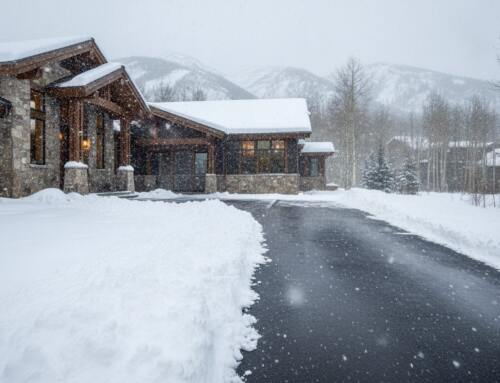
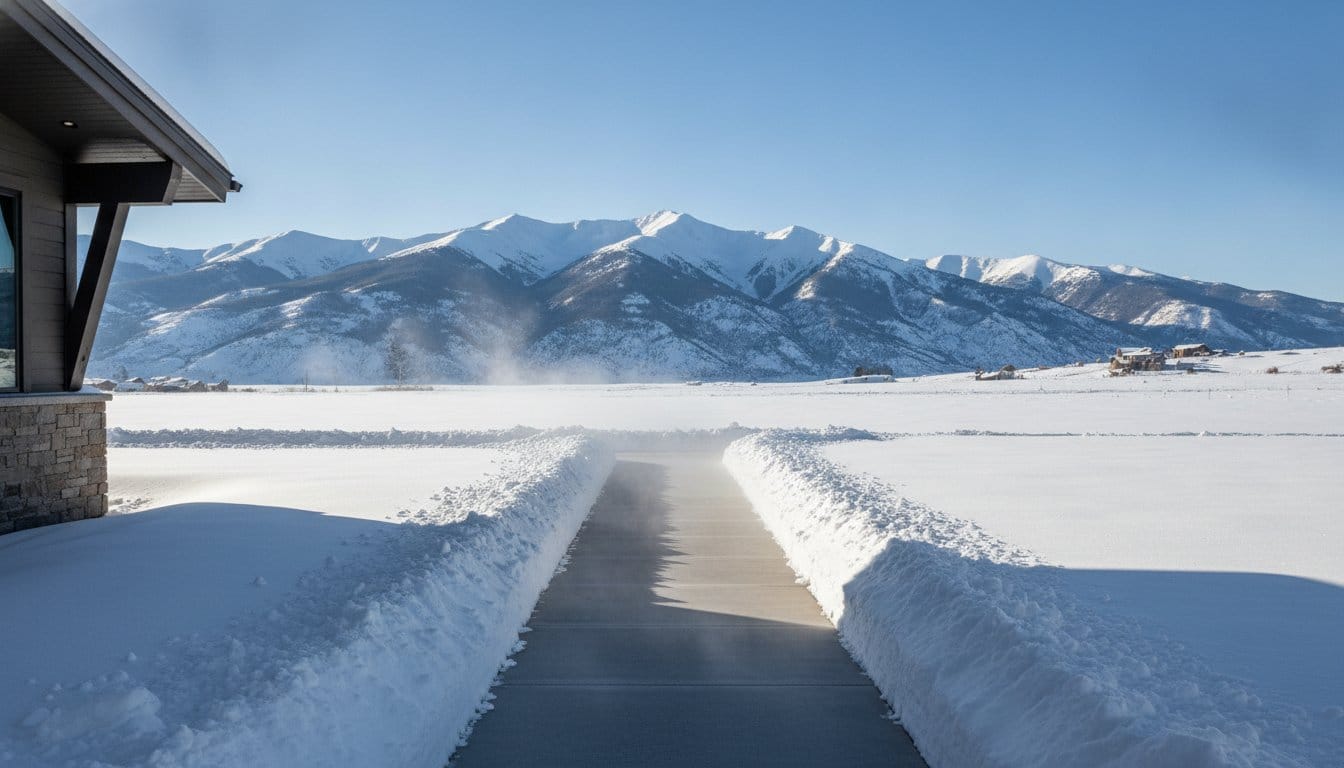
Most Utah property owners view a heavy snow shovel as a winter necessity, but it’s actually a liability waiting to happen. You’ve likely felt the physical strain of clearing wet, heavy drifts at daybreak or worried about the corrosive damage that salt is doing to your expensive walkways. It’s a repetitive cycle that feels unavoidable in our climate, yet a professional sidewalk snow melting system can change that reality forever. If you’re ready to trade manual labor for peace of mind, it’s time to look at a more permanent solution.
By reading this guide, you’ll discover how these automated systems eliminate the need for shoveling, prevent slip-and-fall accidents, and shield your concrete from the harsh freeze-thaw cycles common in the Intermountain West. We’ll walk through the technical advantages of self-regulating cables, the impact on your property value, and what you need to know about Utah’s adoption of the 2020 National Electrical Code. This is your roadmap to a maintenance-free winter and a safer, more durable property.
Key Takeaways
- Learn how a permanent radiant heating solution handles Utah’s specific lake-effect snow and extreme temperature shifts more effectively than manual labor.
- Compare the mechanics of electric heat cables against hydronic PEX tubing to see which technology offers the most efficient de-icing for your layout.
- Discover how a professional sidewalk snow melting system preserves your investment by stopping concrete spalling and salt-induced rebar corrosion.
- Get a step-by-step look at calculating square footage, required wattage, and electrical panel amperage to ensure a code-compliant installation.
- Understand the critical safety requirements for outdoor wet environments, including why professional grounding is non-negotiable for permanent de-icing.
Why Utah Properties Require a Sidewalk Snow Melting System
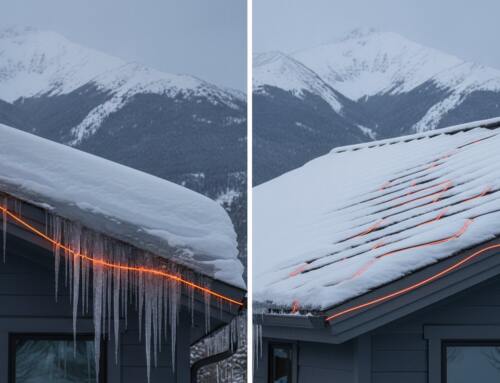
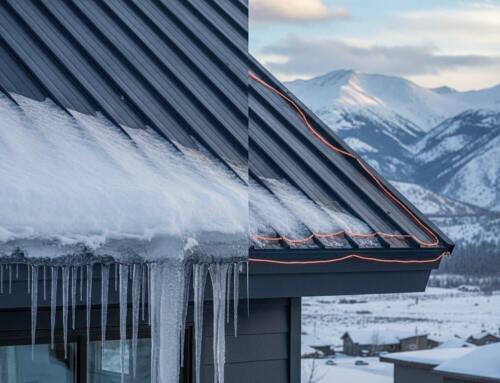
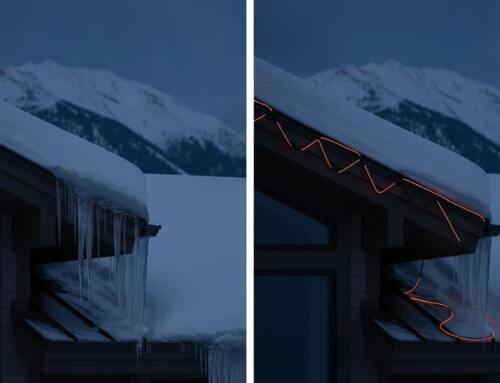
Utah winters don’t just bring snow; they bring a relentless cycle of accumulation and freezing that tests the limits of traditional property maintenance. A professional sidewalk snow melting system offers a permanent radiant heating solution that operates beneath the surface of your walkways. Unlike temporary heat mats that sit on top of the concrete, these integrated systems are engineered to handle the specific rigors of the Intermountain West. Our region is famous for lake-effect snow that can dump inches of heavy, wet slush in a matter of hours. When this is followed by the rapid temperature drops typical of high-altitude climates, the result is often a layer of bonded ice that is nearly impossible to remove by hand. For a technical snowmelt system overview, these installations rely on specialized heat cables to keep surfaces consistently above the freezing point.
The High Cost of Traditional Snow Removal
Relying on professional plowing services or manual labor creates a recurring financial drain that never ends. Over a decade, the cumulative cost of seasonal contracts and emergency call-outs often exceeds the one-time investment of an automated system. Beyond the money, there’s a significant environmental toll to consider. Chemical de-icers like rock salt eventually wash into local groundwater and storm drains, which can damage delicate landscaping and local ecosystems. There’s also the physical reality of living in a high-altitude environment. Shoveling heavy, wet snow at 4,000 feet or higher puts an immense strain on the cardiovascular system. By automating the process, you remove the physical risk and the environmental damage in one step.
Liability Prevention for Commercial Properties
For business owners and HOAs, an icy sidewalk isn’t just a nuisance; it’s a legal vulnerability. A sidewalk snow melting system provides 24/7 protection by using automated sensors that activate the moment moisture and freezing temperatures are detected. This ensures that walkways are clear even when your maintenance staff is off-site or sleeping. Consistent melting is the most reliable way to meet local municipal sidewalk clearance codes, which often have strict timelines for removal after a storm ends. Duty of care is the legal obligation of Utah property owners to maintain their walkways in a reasonably safe condition to prevent foreseeable harm to pedestrians. Failing this duty can lead to costly litigation that far outweighs the price of a professional-grade de-icing system. Business owners looking to extend this protection beyond walkways should also explore commercial driveway heating solutions that eliminate the reactive cycle of plowing and salt damage across your entire property.
Comparing Electric vs. Hydronic Sidewalk Heating Solutions
Choosing between electric and hydronic technologies is the first step in designing a permanent sidewalk snow melting system. Electric systems function by running specialized heat cables through a bed of sand or directly into the concrete pour. These cables convert electricity into radiant warmth, effectively turning the entire sidewalk into a heat source. Hydronic systems, on the other hand, rely on a closed-loop network of PEX tubing that circulates a heated glycol-water mixture. While both methods achieve the same goal, the mechanical requirements for a sidewalk snow melting system vary significantly based on your property’s existing infrastructure.
Electric systems are generally more cost-effective for residential retrofits and specific high-traffic trouble spots like shaded north-facing stairs or steep entryway inclines. Because they don’t require a dedicated boiler or pump house, the installation is less invasive for existing landscapes. You won’t need to clear out space in your basement or garage for heavy mechanical equipment. Hydronic systems often demand a massive upfront investment in mechanical infrastructure, making them harder to justify for standard residential walkways. If you are looking for a tailored solution for your home, you might want to consult with a specialist about which cable type fits your specific electrical capacity.
Electric Snow Melting: Precision and Reliability
Self-regulating cables are the gold standard for electric de-icing. These cables automatically adjust their heat output based on the ambient temperature, providing more warmth where it’s coldest and scaling back as the surface clears. This precision leads to a much faster time-to-melt during sudden Utah blizzards, preventing the snow from ever bonding to the concrete. Property owners also benefit from the lack of moving parts. There are no boilers to service, no pumps to fail, and no fluid levels to monitor annually. It’s a reliable solution that offers consistent protection without the need for a mechanical engineering degree to operate.
Hydronic Snow Melting: Large Scale Efficiency
Hydronic systems find their niche in massive commercial applications, such as hospital entrances or entire city blocks. When the surface area reaches thousands of square feet, the lower cost of natural gas for a boiler can eventually offset the high installation price. However, this efficiency comes with significant trade-offs. The system requires a complex heat exchanger and a dedicated manifold to manage fluid flow throughout the property. There is also the persistent risk of leaks. If a PEX tube is punctured or fails under the concrete, the repair process is incredibly invasive and expensive. For most standard Utah properties, the simplicity and reliability of electric cables provide a better long-term return on investment.
Preserving Your Investment: Preventing Salt and Ice Damage
Many property owners view rock salt as a cheap, necessary tool for winter safety, but it’s actually a chemical catalyst for property destruction. When you install a professional sidewalk snow melting system, you aren’t just buying convenience; you’re investing in the structural preservation of your home or business. Concrete is naturally porous, containing thousands of microscopic voids that absorb moisture. During a typical Utah winter, melted snow seeps into these pores. When the temperature inevitably drops again, that water expands by roughly 9% as it turns to ice, exerting immense internal pressure. This cycle leads to spalling, which is the unsightly flaking and scaling that eventually turns a smooth walkway into a crumbling liability.
The use of sodium chloride, or standard rock salt, significantly accelerates this degradation. While salt melts the ice, it creates a concentrated brine that carries corrosive ions deep into the concrete’s structure. This liquid doesn’t just sit there; it attacks the chemical binders that hold the concrete together and eventually reaches the internal steel rebar. Once the rebar begins to rust, it expands and cracks the sidewalk from the inside out. By maintaining a clear, dry surface, a sidewalk snow melting system can effectively double the lifespan of your concrete or high-end pavers. Keeping these surfaces clear without the use of corrosive chemicals preserves the aesthetic value of decorative concrete and prevents the need for expensive tear-outs and replacements. Commercial property owners can apply this same principle at scale by investing in a professional commercial driveway heating system that protects parking areas and access lanes from the same salt-induced structural damage.
The Chemistry of Concrete Failure
Concrete pop-outs occur when saturated aggregate particles near the surface freeze and shatter, leaving small, pit-like holes that trap even more moisture in the future. Many people switch to “pet-safe” alternatives like magnesium chloride or urea, but these compounds can still be harmful to masonry over several seasons. Radiant heat maintains a constant surface temperature to stop the destructive expansion-contraction cycle before it starts. This steady thermal environment prevents internal pressure from ever reaching critical levels, ensuring the substrate remains stable and intact through the coldest months of the year.
Protecting Landscaping and Entryways
The benefits of automated de-icing extend beyond the concrete itself. Heavy salt usage often results in toxic runoff that kills adjacent Utah-native plants and ruins the soil’s pH balance for your lawn. Additionally, the slush and brine created by salting are inevitably tracked into your home or commercial lobby, damaging expensive hardwood flooring and carpets. You also eliminate the need for metal shovels. These tools often leave permanent scratches or chip the edges of decorative stone, especially on stairs and corners where precision is difficult and the risk of physical damage is highest.

Planning Your Sidewalk System: Design and Code Requirements
Planning a permanent sidewalk snow melting system requires a methodical approach that goes far beyond laying down temporary heat mats. It starts with a professional consultation to calculate the specific thermal load of your property. In Utah, elevation plays a critical role in this calculation. A walkway in the higher elevations of Park City requires a different wattage profile than a property in the Salt Lake Valley to combat colder ambient temperatures and heavier snowfall rates. If you’re unsure about your home’s current amperage capacity, it’s best to request a professional electrical evaluation before starting your project. Homeowners who are also planning to address their driveway should review the full scope of heated driveway installation in Utah to understand how panel capacity and system design decisions affect both areas of the property simultaneously.
A successful installation follows a strict five-step design process to ensure reliability and safety:
- Step 1: Calculate the total square footage and determine the required wattage, typically 50 watts per square foot for our region.
- Step 2: Evaluate the existing electrical panel. A standard 100-square-foot system adds roughly 5 kW of load, which may require a dedicated circuit or a panel upgrade.
- Step 3: Select a controller. You can choose between manual switches, timers, or fully automated sensor-driven units.
- Step 4: Map the layout to prioritize high-traffic danger zones, such as stairs, shaded landings, and sloped transitions.
- Step 5: Secure local permits. As of 2026, all Utah installations must comply with the 2021 International Codes and the 2020 National Electrical Code (NEC).
The Importance of Automated Controllers
Automated controllers are the brain of your sidewalk snow melting system. These units use aerial or in-slab sensors to detect both moisture and freezing temperatures simultaneously. This prevents the system from wasting energy on dry, cold days when there’s no snow to melt. Modern controllers also feature an “idle” mode, which keeps the slab just below freezing when a storm is predicted. This allows for a much faster transition to “melt” mode once the first flakes fall. Many of our clients now opt for smart home integration, allowing them to monitor system status and energy usage directly from a smartphone.
Retrofit vs. New Construction Installation
You don’t need to rip out your entire walkway to enjoy the benefits of radiant heat. For existing properties, we use a “saw-cut” method where thin grooves are carved into the concrete to house the heat cable, which is then sealed with a durable weather-proof joint filler. If you’re planning a new pour or a paver installation, the process is even more seamless. We lay the cables directly onto the sub-base or attach them to the rebar before the concrete arrives. In these new builds, we always recommend high-density insulation beneath the cable. This ensures that 100% of the radiant heat is directed upward toward the surface rather than being lost into the frozen ground below.
Why Professional Installation is Non-Negotiable
While DIY “plug-and-play” mats might seem like a quick fix, they lack the structural integrity and safety features of a permanent sidewalk snow melting system. Combining electricity with a wet, outdoor environment creates a high-stakes scenario where precision is the only way to ensure safety. Improper grounding or poor insulation in a de-icing system can lead to short circuits or even electrical hazards as the snow turns to slush. Licensed electrical contractors are trained to install these systems according to the 2020 National Electrical Code (NEC), ensuring that every circuit has the necessary ground-fault protection to operate safely in our wet Utah winters.
The gap between consumer-grade heat tape and industrial-strength self-regulating cable is also substantial. Cheap tapes often have a fixed heat output that can lead to overheating or premature failure if the cable overlaps. Professional-grade self-regulating cables are far more durable; they use a specialized core that adjusts its thermal output at every point along the line. This technology prevents “cold spots,” which are common in amateur installations. Cold spots occur when the cable layout is inconsistent, allowing ice to bridge over the heated sections. These hidden patches of ice are often more dangerous than a fully snow-covered sidewalk because they catch pedestrians off guard.
The Utah Heat Cable Advantage
As licensed electrical contractors serving Utah, Idaho, and Wyoming, we bring a level of regional expertise that generic manuals can’t provide. We understand how north-facing shadows and specific wind patterns in the Wasatch Front can cause uneven snow accumulation. Our team creates customized heat-trace designs that account for these environmental variables, ensuring that your system has the right wattage density where it’s needed most. We don’t just install the hardware; we provide the long-term support and maintenance required to keep your automated sensors and controllers functioning at peak efficiency for years to come.
Getting Started with Your Snow Melt Project
The ideal time to schedule your installation is during the warmer months before the first frost hardens the ground. Early planning allows for a methodical installation process without the seasonal urgency of an approaching blizzard. By the time the first lake-effect storm hits, your property will already be equipped with a protective shield that operates entirely on its own. It’s a proactive approach to property management that pays dividends in safety and convenience every time the temperature drops.
Protect your property with a custom sidewalk snow melting system from Utah Heat Cable today. We’ll help you design a solution that meets the specific demands of your layout and ensures your walkways remain clear, dry, and safe all winter long.
Secure Your Property Before the Next Storm
Investing in a professional sidewalk snow melting system is a strategic decision that pays dividends in safety and property preservation. By eliminating the destructive freeze-thaw cycle and the need for corrosive rock salt, you’ll effectively double the lifespan of your concrete walkways. These automated solutions don’t just save you from the physical strain of shoveling; they provide a consistent liability shield for your home or business. When you choose a system backed by customized heat-trace design, you’re ensuring that every square foot of your property remains clear regardless of how much lake-effect snow falls.
As a licensed electrical contractor serving Utah, Idaho, and Wyoming, Utah Heat Cable specializes in precision-engineered protection. We understand the unique regional challenges of the Intermountain West and focus on providing code-compliant results that last for decades. If you’re ready to transition to a maintenance-free winter, we’re here to help you navigate the technical requirements and find the right fit for your layout. Request a custom snow melt system design for your Utah property and enjoy the peace of mind that comes with professional-grade winter protection. You’ll be ready for the first frost long before it arrives.
Frequently Asked Questions
How much does it cost to run a sidewalk snow melting system in Utah?
Operating a 100-square-foot system costs approximately $0.65 per hour based on the average electricity rate of $0.13/kWh. Because these systems use 50 watts per square foot, a standard residential walkway uses about 5 kW per hour of operation. Most Utah homeowners find their total seasonal operating costs fall between $50 and $250. This varies depending on the severity of the winter and whether you use an automated controller to manage activation times.
Can a snow melting system be installed under an existing sidewalk?
You can install a sidewalk snow melting system under existing concrete using the saw-cut method. This process involves carving narrow grooves into the surface to house the heat cable, which is then sealed with a durable weather-proof joint filler. While this is a highly effective retrofit solution, it requires precision to ensure the cables are protected. It’s a popular choice for property owners who want to avoid the cost of a full concrete tear-out.
How long does it take for a heated sidewalk to melt 2 inches of snow?
A properly designed system typically melts two inches of snow in one to three hours, depending on the ambient temperature and wind speed. If your system is equipped with an automated controller, it will activate as the first flakes fall to prevent accumulation from ever bonding to the surface. This proactive approach ensures the concrete stays clear and dry. Without automation, the melting time increases because the slab must first warm up from a frozen state.
Are sidewalk snow melting systems energy efficient?
Modern systems are highly energy efficient when paired with automated aerial or in-slab sensors. These sensors ensure the system only draws power when moisture is present and temperatures are below freezing, preventing wasted energy on dry, cold days. By maintaining a steady temperature just above freezing, the system uses less power than trying to melt a thick, bonded layer of ice. High-density insulation installed beneath the cables also forces heat upward, maximizing efficiency.
Will a heated sidewalk work in extreme temperatures below 10 degrees?
Professional-grade self-regulating cables are designed to operate effectively even in extreme temperatures well below 10 degrees. These cables automatically increase their heat output as the temperature drops, providing the extra thermal energy needed to overcome intense cold. While the melting process may slow down during a severe cold snap, the system will continue to prevent ice from bonding to the substrate. This ensures a safe, walkable surface even during the coldest Utah nights.
What maintenance does a sidewalk snow melting system require?
Electric snow melting systems require almost no annual maintenance because they lack the moving parts, boilers, and pumps found in hydronic setups. We recommend a simple visual inspection of the controller and sensors each autumn to ensure everything is clear of debris. Testing the system for a few minutes before the first frost is also a good practice. This minimal upkeep makes electric cables a reliable, long-term solution for busy residential and commercial property owners.
Do I need a special electrical permit for a snow melt system in Utah?
Yes, installing a permanent sidewalk snow melting system in Utah requires a specific electrical permit to ensure compliance with the 2020 National Electrical Code. As licensed electrical contractors, we handle the permitting process and ensure that all circuits meet the rigorous safety standards for outdoor wet environments. This includes verifying your electrical panel’s amperage capacity and installing the necessary ground-fault protection. Proper permitting protects your property’s value and ensures your insurance remains valid.
Can I use a snow melt system under pavers or stone walkways?
You can easily install a snow melting system beneath pavers, bluestone, or decorative stone walkways. In these applications, the cables are typically laid in a bed of sand or fine gravel directly below the pavers. This setup is actually more efficient for repairs, as individual stones can be lifted if a cable ever needs service. It’s an ideal way to keep high-end masonry clear of ice without using metal shovels that could scratch or chip the stone.