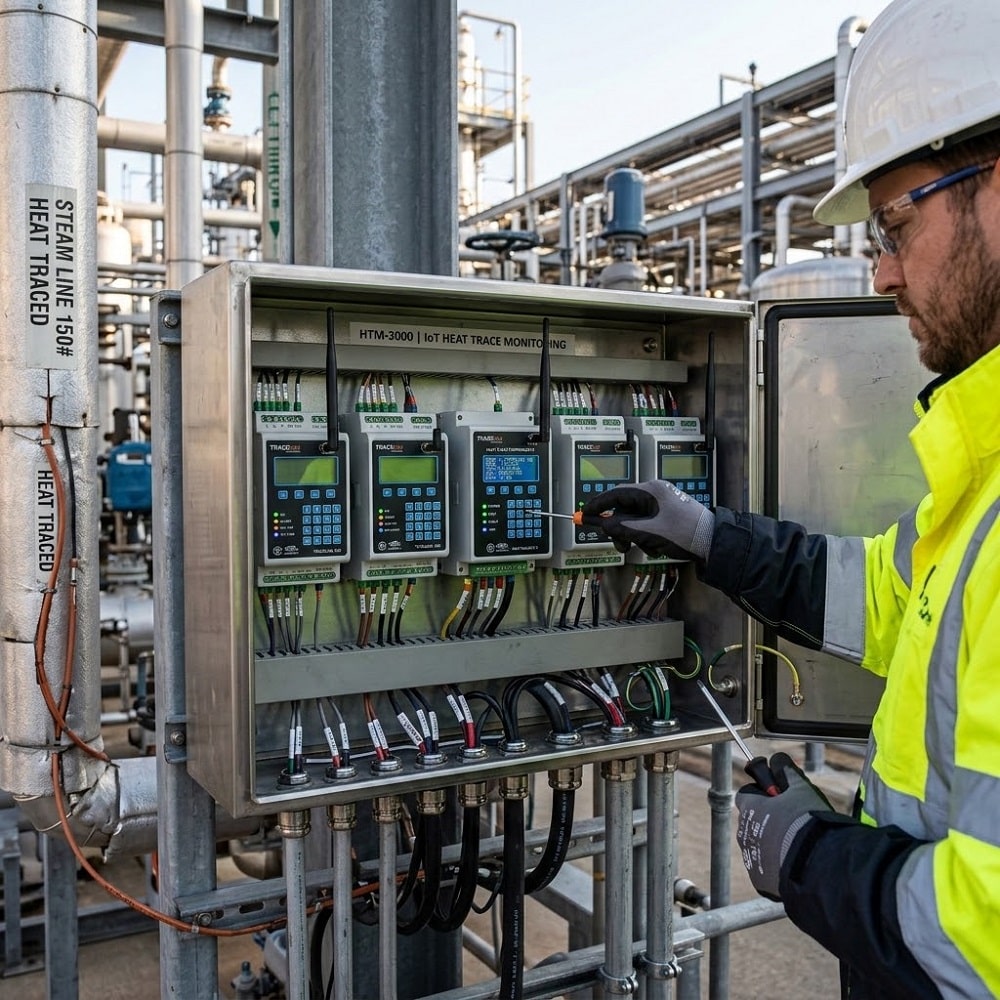
Heat trace systems have become more advanced than ever before. While traditional controllers provide reliable operation, modern IoT-enabled controllers take performance to the next level by offering remote monitoring, real-time alerts, and valuable system insights. Instead of waiting for a problem to become visible, property owners and facility managers can monitor their heat trace systems from virtually anywhere.
IoT (Internet of Things) technology connects heat trace controllers to the internet, allowing users to view system status, receive notifications, and make adjustments through cloud-based platforms or mobile devices. This added connectivity improves reliability, reduces maintenance costs, and helps ensure heat trace systems perform efficiently throughout the winter season. If you are planning a roof heat cable installation in Utah, integrating these smart controllers is a highly recommended upgrade.
What Is an IoT-Enabled Heat Trace Controller?
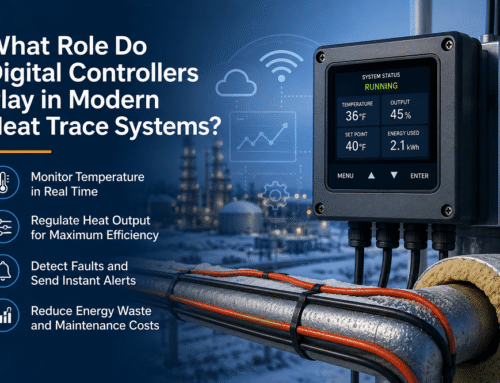
An IoT-enabled controller is a smart device that continuously monitors your heat trace system and communicates performance data over an internet connection. Instead of simply turning cables on and off, these controllers collect information about operating conditions and make it available through an online dashboard or mobile application.
Depending on the system, users can monitor:
- System status
- Temperature readings
- Moisture conditions
- Power usage
This information is available in real time, making it much easier to identify potential problems before they affect system performance.
Remote Monitoring from Anywhere
One of the biggest advantages of IoT heat trace monitoring is remote access. Whether managing a home, commercial property, or industrial facility, users can check the status of their heat trace system without being on-site.
If severe weather develops while you’re away, there’s no need to wonder whether your system is operating correctly. A quick login to the monitoring platform provides current operating information and alerts if attention is needed.
Remote monitoring is especially valuable for vacation homes, mountain properties, apartment complexes, and commercial buildings where regular site visits may not be practical.
Real-Time Data Improves Performance
Traditional systems typically provide little feedback beyond whether the controller is on or off. IoT-enabled controllers continuously collect operating data, giving users a much clearer picture of system performance.
Real-time monitoring may include:
- Current operating temperature
- System runtime
- Energy consumption
- Sensor activity
With this information, property owners can quickly verify that the system is functioning as expected during changing weather conditions.
Predictive Maintenance Helps Prevent Problems
Instead of waiting for equipment to fail, IoT technology helps identify warning signs early. Changes in sensor readings, unexpected operating patterns, or abnormal energy usage may indicate that maintenance is needed before a complete failure occurs.
Predictive maintenance offers several advantages:
- Fewer unexpected repairs
- Reduced downtime
- Longer equipment lifespan
- Better overall reliability
Addressing small issues early often prevents more expensive repairs later.
Automated Fault Detection
Another major benefit of IoT heat trace monitoring is automated fault detection.
If a sensor stops communicating, power is interrupted, or another issue develops, the controller can immediately notify the user. Instead of discovering a problem after ice has already formed, homeowners or facility managers receive alerts while corrective action can still be taken.
Early notifications improve winter protection while reducing the risk of roof damage, frozen gutters, or system downtime.
Integration with Smart Building Systems
Modern IoT controllers can often integrate with broader building automation systems. Rather than operating independently, heat trace controls become part of a centralized building management platform.
This allows facility managers to monitor multiple building systems—including heating, ventilation, lighting, security, and heat trace—from a single interface.
For commercial properties and industrial facilities, centralized monitoring improves operational efficiency and simplifies system management.
Cloud-Based Dashboards Simplify Management
Cloud-based dashboards provide easy access to system information without requiring specialized software. Authorized users can log in from computers, tablets, or smartphones to review performance data and receive notifications.
Many dashboards display historical trends as well, allowing users to compare energy consumption and operating patterns throughout the winter season.
This visibility helps property owners make informed decisions about maintenance schedules and system optimization.
Better Energy Management
Energy efficiency is another major advantage of IoT-enabled controllers.
Because these systems monitor operating conditions continuously, they can optimize heating cycles and reduce unnecessary runtime. Instead of relying on fixed schedules or manual activation, the controller adjusts operation based on actual weather conditions.
The result is:
- Lower electricity usage
- Reduced operating costs
- Improved system efficiency
- Less unnecessary energy consumption
This smarter approach benefits both homeowners and commercial property managers looking to control utility expenses.
Fewer Manual Inspections
Traditional heat trace systems often require routine visual inspections to confirm proper operation. IoT monitoring significantly reduces this need by providing continuous system updates.
While periodic physical inspections are still recommended, remote monitoring minimizes the amount of manual checking required throughout the winter. This saves time and allows maintenance teams to focus on systems that genuinely need attention.
For organizations managing multiple properties, this can lead to significant labor savings over time.
Is an IoT Controller Right for Your Property?
IoT-enabled controllers are an excellent option for many applications, including:
- Residential homes
- Vacation properties
- Commercial buildings
- Apartment communities
- Industrial facilities
If reliable winter protection, energy efficiency, and remote monitoring are priorities, upgrading to an IoT-enabled controller may be a worthwhile investment.
Professional installation also ensures the controller is properly configured and compatible with your existing heat cable system.
Stay Connected to Your Heat Trace System
IoT technology is changing the way heat trace systems are monitored and maintained. With features like remote access, real-time data collection, predictive maintenance, automated fault detection, and cloud-based dashboards, today’s smart controllers provide greater visibility and control than ever before.
Whether you’re protecting a residential roof or managing multiple commercial facilities, IoT-enabled controllers help improve energy management, reduce manual inspections, and keep your heat trace system operating efficiently throughout the winter.
If you’re ready to upgrade your monitoring capabilities, trust Utah Heat Cable for expert guidance on advanced controller solutions.