
Heat cables are a reliable and effective way to prevent ice dams, protect gutters, and keep roofs safe during harsh Utah winters. However, even the best roof heat cable systems can lose effectiveness if not used properly. Homeowners often make simple mistakes that reduce efficiency, increase energy costs, and decrease overall performance. In this article, we’ll cover the most common heat cable operating mistakes, the risks associated with improper use, and the best practices to keep your system running safely and efficiently.
For more guidance on heat cable products and professional installation, visit Utah Heat Cable.
Common Misuse Issues
Running Cables Continuously
One of the most frequent mistakes is leaving heat cables on all the time. Many homeowners believe that constant operation will prevent ice dams entirely. While it won’t damage the roof, it can result in unnecessary energy usage and higher electricity bills. Heat cables are most efficient when run only as needed, especially when paired with smart controllers or sensors.
Turning Cables On Too Late
Some homeowners wait until snow accumulation or ice buildup is already visible before activating their heat cables. By the time the system is turned on, ice dams may have already formed, causing water to back up under shingles or inside gutters. Late activation reduces the system’s effectiveness and increases the risk of damage to the roof and interior.
Overloading Electrical Circuits
Adding heat cables to circuits that aren’t designed to handle the load is a serious mistake. Overloaded circuits can trip breakers or cause electrical issues. Always ensure your system is installed by a qualified professional and on circuits capable of supporting the electrical demand.
Maintenance Mistakes
Proper maintenance is critical for heat cable longevity and performance. Neglecting small details can lead to big problems.
Ignoring Debris in Gutters and Downspouts
Heat cables only work if water can flow freely through your roof drainage system. Leaves, pine needles, and other debris can block gutters, creating ice dams even if your heat cable is functioning properly. Regular cleaning ensures optimal performance.
Damaged Insulation or Exposed Cables
Over time, insulation can degrade, and cables may become exposed or damaged by roof debris. Damaged cables may not heat correctly, reducing efficiency. Inspect your system before winter to identify and replace compromised sections.
Loose Clips or Improper Attachment
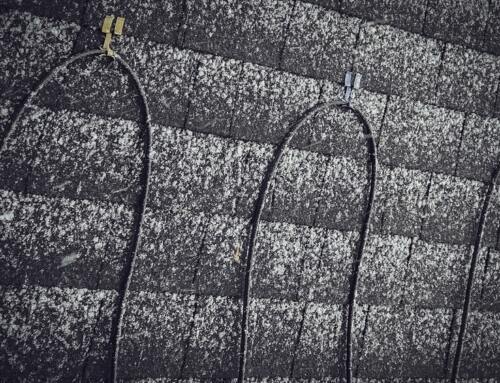
Cables that are not securely fastened to the roof can shift or sag during heavy snow. Loose clips reduce system effectiveness and increase the risk of minor roof or gutter damage. Proper attachment is essential for reliable operation.
Controller and Thermostat Errors
Incorrect Thermostat Settings
Many heat cable systems rely on thermostats to turn on automatically when temperatures drop. Incorrect settings can cause the system to run longer than necessary or not activate when needed. Some thermostats may trigger the cable at the wrong temperature, wasting energy or allowing ice to form.
Incompatible or Missing Controllers
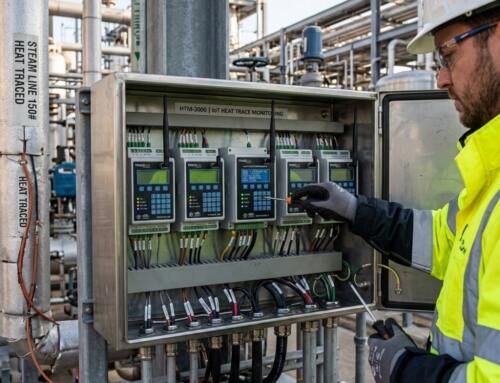
Using a controller that is not compatible with your cable type, or bypassing the controller entirely, can result in uneven heating or unnecessary energy consumption. Smart controllers, moisture sensors, and temperature-based devices are critical for efficient operation, especially on roofs with variable exposure or slopes.
Best Practices for Safe and Efficient Operation
Schedule Early Activation: Turn on heat cables before snow or ice accumulation begins to prevent ice dams.
Use Smart Controls: Thermostats, moisture sensors, and smart switches help your system operate efficiently and only when needed.
Inspect Your System: Check for damaged cables, loose clips, or debris in gutters at the start of each season.
Avoid Unnecessary Continuous Operation: Run the system only as necessary to reduce energy costs and maximize efficiency.
Professional Installation: Trust experienced installers to design and mount the system properly on your roof. Proper placement ensures peak performance and safety.
Conclusion
Many homeowners unintentionally reduce the effectiveness of their heat cables due to simple mistakes like running the system continuously, late activation, poor maintenance, or incorrect thermostat settings. Following best practices and performing routine inspections ensures your heat cable system protects your home efficiently throughout winter.
For expert advice, professional installation, and reliable roof heat cable solutions, contact Utah Heat Cable. Their experienced team can help design a system that maximizes efficiency, prevents ice damage, and keeps your roof and gutters safe all season long.