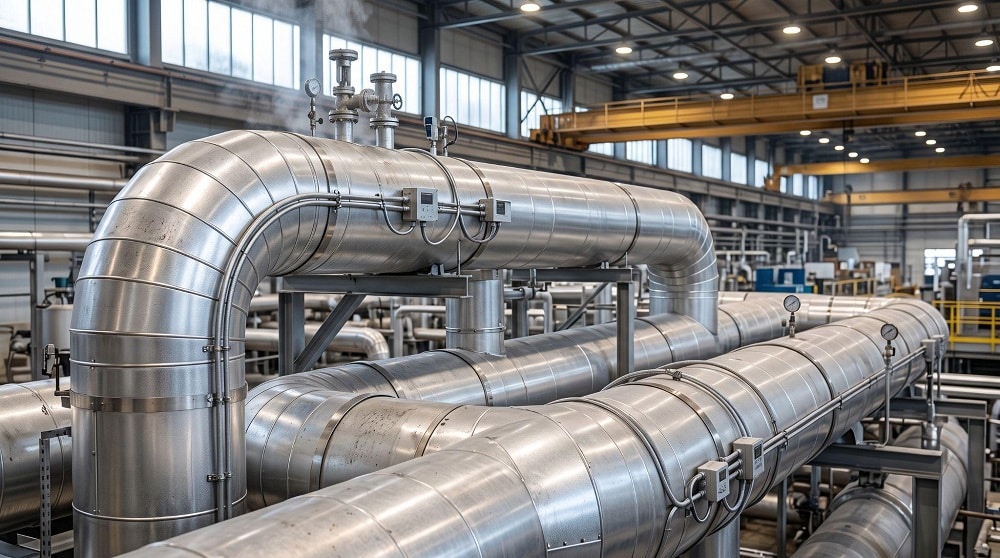
Why Commercial and Industrial Pipes Need Heat Trace
Freezing temperatures can put commercial buildings and industrial facilities at risk. When water freezes inside a pipe, it expands and can cause cracks, leaks, and costly repairs. In industrial settings, frozen fluids can also interrupt production, damage equipment, and create unexpected downtime.
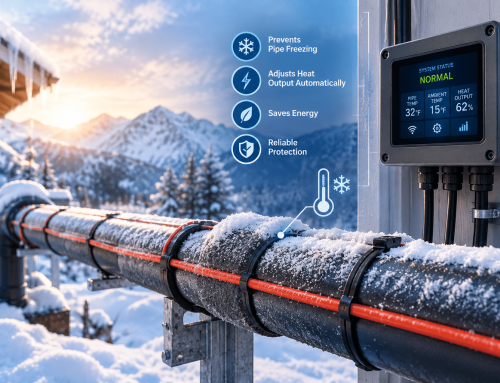
An industrial pipe heat trace system helps prevent these problems by supplying heat directly along vulnerable pipes. The cable offsets heat loss and helps maintain the temperature needed to protect the pipe and its contents.
In Utah, this protection is especially important during prolonged cold spells. Outdoor piping, loading areas, unheated warehouses, and exposed water lines can all face freezing conditions. A properly designed system helps businesses prepare before temperatures drop.
How Does a Pipe Heat Trace System Work?
A heat tracing pipe system uses electric heating cable installed along or around a pipe. The cable produces heat that transfers to the pipe and helps maintain its temperature. Insulation is then installed over the pipe and cable to reduce heat loss and improve efficiency.
The system’s performance depends on several factors. These include pipe diameter, material, cable output, insulation thickness, and the lowest expected outdoor temperature. Wind exposure and the required temperature of the fluid also affect the design.
Heat trace systems can serve two main purposes. Freeze protection keeps water and other vulnerable fluids from freezing. Process temperature maintenance keeps certain industrial fluids at a specified temperature so they can continue moving or remain suitable for production.
The right design depends on what the facility needs to protect.
Choosing Between Self-Regulating and Constant-Wattage Cable
Two common cable types are self-regulating and constant-wattage heat cable. Each has different operating characteristics.
Self-Regulating Heat Cable
A self-regulating cable automatically adjusts its heat output according to the surrounding temperature. As conditions get colder, it produces more heat. When temperatures rise, its output decreases.
This makes it a useful option for many commercial and industrial freeze-protection applications. It can also accommodate changes in temperature along a pipe run. Its suitability still depends on the cable’s specifications, circuit design, and installation requirements.
Constant-Wattage Heat Cable
Constant-wattage cable produces a consistent amount of heat along its active length when energized. It can suit applications that require a predictable heat output, including some industrial temperature-maintenance projects.
Because its output does not automatically decrease as temperatures rise, appropriate controls and careful system design are important. Cable selection should reflect the required operating temperature, pipe conditions, and manufacturer guidance.
Common Applications for Commercial Heat Trace
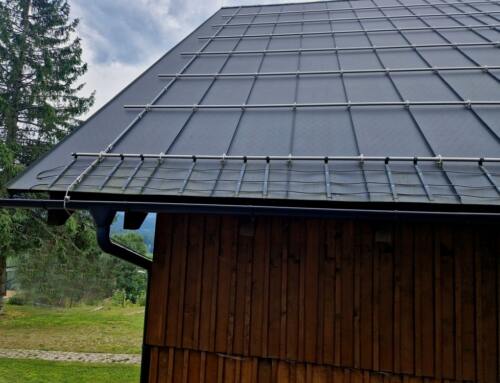
Commercial heat trace systems help protect pipes and equipment in a range of facilities. These include office buildings, apartment complexes, warehouses, hotels, healthcare facilities, and other properties with exposed or vulnerable plumbing.
Typical applications include:
- Water supply lines: Help prevent exposed or poorly insulated pipes from freezing.
- Fire protection piping: Help protect vulnerable sections where freezing could compromise system readiness.
- Drain lines and equipment connections: Reduce freezing risks in exposed or unheated areas.
- Commercial mechanical systems: Help maintain suitable temperatures in pipes serving building equipment.
- Industrial process lines: Maintain required fluid temperatures where cooling could affect flow or operations.
Some facilities need protection only on specific pipe sections. Others require a coordinated system across multiple lines and pieces of equipment. A site assessment helps identify the areas most at risk.
What Makes Industrial Heat Tracing Different?
Industrial heat tracing often involves more demanding operating conditions than a basic pipe freeze-protection installation. Pipes may carry process fluids that need to remain within a particular temperature range. Systems may also include long pipe runs, multiple branches, valves, pumps, and exposed equipment.
These projects require careful consideration of heat loss, cable output, electrical capacity, and temperature controls. The cable must be compatible with the pipe and its operating environment. Industrial settings may also require jackets and accessories designed to withstand moisture, chemicals, sunlight, or physical wear.
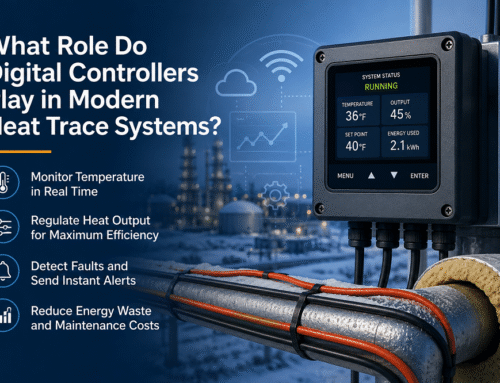
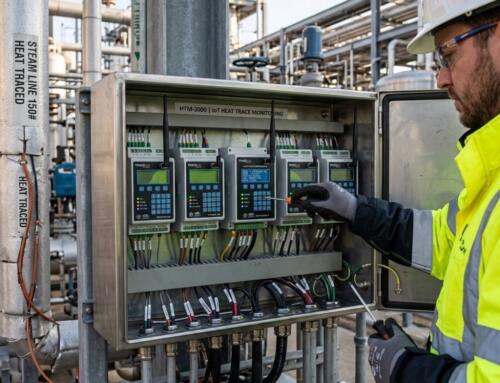
Controls can improve system management. Depending on the application, thermostats, temperature sensors, or automated controllers can help regulate operation. Larger facilities may also benefit from monitoring that allows maintenance teams to identify problems before they cause major disruption.
How Utah’s Climate Affects Heat Trace Design
Utah’s winter conditions vary by location and elevation. A facility along the Wasatch Front may face different exposure than a mountain property or an industrial site in a colder basin. Temperatures can also fluctuate, creating repeated freezing and thawing.
These conditions make site-specific design important. The system should account for local winter temperatures, wind exposure, pipe placement, insulation, and the temperature the pipe must maintain. An exposed line in an unheated loading area may need a different approach from a pipe inside a protected mechanical room.
Insulation is particularly important. Even a suitable heating cable may struggle to maintain the required temperature if insulation is missing, damaged, wet, or poorly sealed. Weather-resistant protection also helps prevent moisture from compromising the installation.
Professional installation includes planning cable placement, selecting compatible components, checking electrical requirements, and testing the completed system. Inspections before winter can help identify damaged insulation, loose connections, sensor problems, or other issues that could affect performance.
Planning a Reliable System for Your Facility
The best heat trace solution starts with understanding the pipes and the conditions they face. Facility managers should identify vulnerable pipe sections, determine the required temperature, review available electrical capacity, and consider how the system will be controlled.
A well-planned system can help reduce freeze-related repairs, prevent avoidable downtime, and support reliable facility operations. However, no single cable or control method suits every project. Product instructions, applicable electrical codes, and site conditions must guide the final design.
For dependable protection, work with Utah Heat Cable’s commercial and industrial pipe heat trace specialists. Utah Heat Cable designs and installs pipe freeze-protection and industrial temperature-maintenance systems for facilities facing Utah’s winter conditions. A project-specific solution can help protect essential piping and keep your operation prepared for the cold.