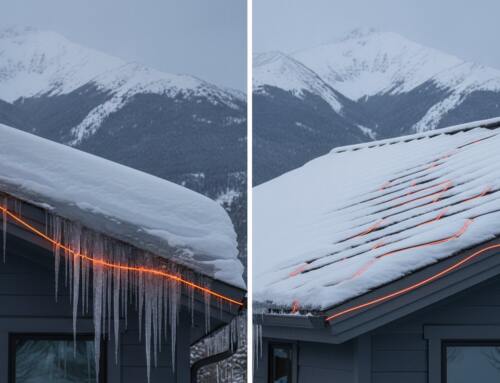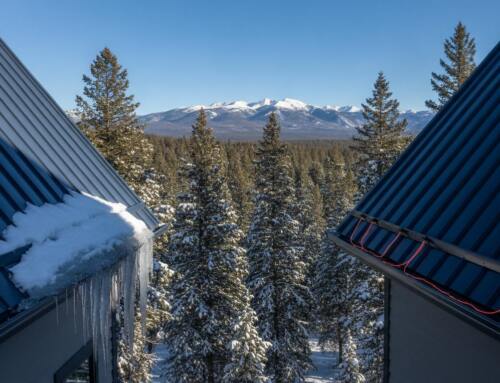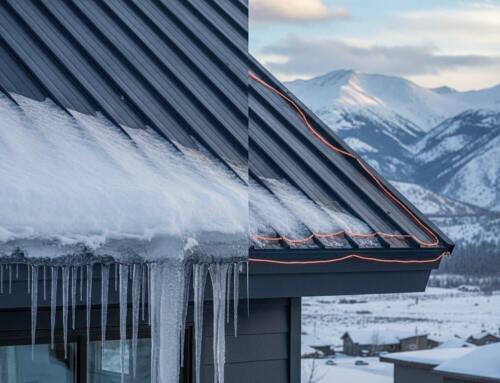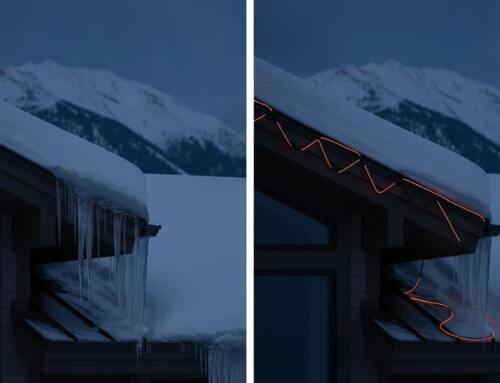
What if the heat tape you installed to protect your home is actually the weakest link in your winter defense? In the Intermountain West, where heavy, wet snow is a seasonal certainty, a standard hardware store solution often burns out just when you need it most. Finding the best roof de-icing system for heavy snow requires moving beyond temporary fixes and looking toward professional-grade components that can withstand extreme loads. You’ve likely felt the stress of watching ice dams creep up your shingles or hearing the ominous sound of a snow slide. It’s a common frustration, but it doesn’t have to be your annual reality.
This 2026 buying guide provides the technical clarity you need to achieve a maintenance-free winter. We’ll explain why self-regulating cables are superior to constant wattage options and how integrated snow retention prevents structural damage. By the end of this article, you’ll understand how to combine smart controllers with code-compliant installation to lower your energy bills and secure your property against the harshest elements. We’re here to help you move from a state of seasonal concern to a state of total resolution.
Key Takeaways
- Understand why high-altitude environments require specialized systems rather than generic heat tape that often burns out under extreme snow loads.
- Learn how self-regulating carbon matrix technology automatically adjusts heat output to maximize ice melting efficiency while keeping your energy bills manageable.
- Discover why integrating roof snow retention is a vital safety step to prevent heavy snow slides from stripping away your gutters and de-icing equipment.
- Identify the technical factors, such as wattage capacity and automated moisture sensors, that define the best roof de-icing system for heavy snow in 2026.
- See the value of a custom-designed, code-compliant system that’s tailored to your home’s specific rooflines and north-facing slopes for long-term protection.
Beyond Standard Heat Tape: The Heavy Snow Challenge
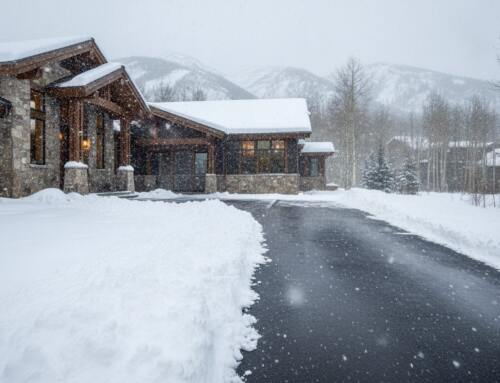
Living in the Intermountain West means dealing with snow loads that would crush a standard roof in other parts of the country. When we talk about finding the best roof de-icing system for heavy snow, we aren’t just looking for a cable that gets warm. We’re looking for a comprehensive defense strategy. In high-altitude, cold-desert climates, the air is dry but the sun is intense. This creates a unique environmental pressure where snow melts on the upper sections of your roof even when the ambient temperature is well below freezing. This moisture needs a clear path to the ground, or it will eventually find a way into your living room.
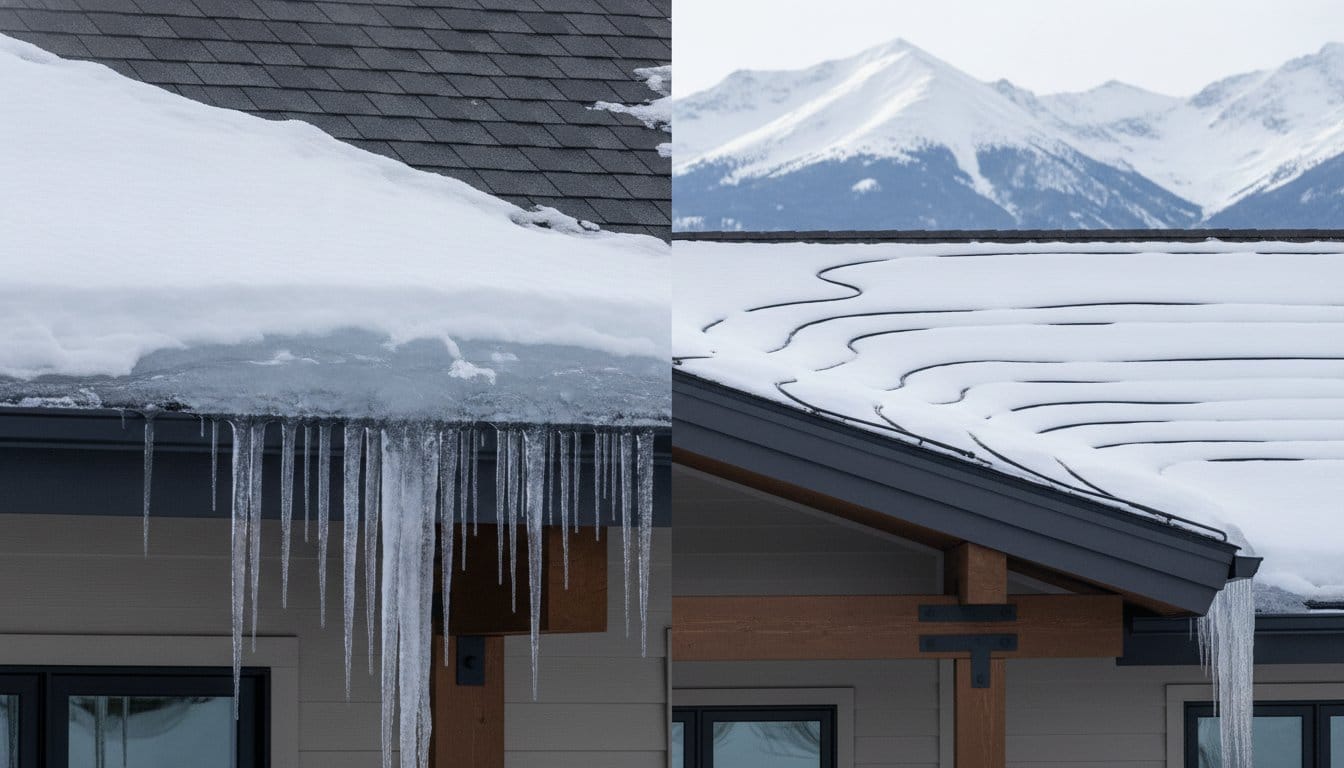
Meltwater travels down to the cold eaves, where it hits a literal wall of ice. Without a professional Trace heating technology solution, this water has nowhere to go but up. A true system approach must integrate three critical pillars: high-output heat, mechanical snow retention, and intelligent control. If you miss any of these components, you’re simply managing a crisis rather than preventing one. Relying on a single line of wire to protect a complex roofline is a gamble that rarely pays off when the heavy storms arrive.
Why Traditional Heat Tape Fails in Deep Snow
Cheap, constant wattage cables from the local hardware store aren’t designed for the weight of a Wyoming winter. When these cables are buried under several feet of heavy snow, they can actually overheat. Because they don’t adjust their output, they may reach temperatures that damage your shingles or even pose a fire risk. Physical displacement is another common failure point; when a massive slab of snow begins to slide off a roof, it acts like a glacier. If your cables aren’t professionally anchored, that sliding force will rip them right out of the gutters. Many homeowners also notice a “tunneling” effect where the cable melts a small, vertical hole through the snow but leaves the surrounding ice dam perfectly intact.
The True Cost of Interior Water Damage
The damage from an ice dam isn’t always visible from the street. Once water is forced under your shingles, it begins to rot the roof deck and soak into your soffits. This moisture eventually finds its way into your attic insulation, destroying its R-value and creating a breeding ground for mold. The melt-refreeze cycle occurs when snow melted by attic heat or sunlight flows to the cold roof edge and solidifies into an ice dam, blocking drainage and forcing liquid water upward into the building envelope. Recurring leaks lead to structural degradation that can cost tens of thousands of dollars to remediate. A professional best roof de-icing system for heavy snow is an investment in your home’s longevity.
Self-Regulating vs. Constant Wattage: Which Wins in 2026?
Choosing the right cable is the difference between a one-season fix and a decade of protection. Constant wattage cables are essentially long toaster wires; they output the same level of heat whether it’s 30 degrees or -10 degrees. This lack of intelligence makes them inefficient and, in some cases, dangerous when buried under deep snow. For homeowners seeking the best roof de-icing system for heavy snow, self-regulating technology has become the industry standard for 2026. These systems don’t just “turn on”; they react to the environment in real-time.
Licensed electrical contractors prefer self-regulating cables because they meet rigorous safety standards, including NEC Article 426 requirements for ground-fault protection. The outer jackets are typically made of high-grade polyolefin or fluoropolymer, which provides superior UV resistance and protection against the mechanical stress of shifting ice. If you’re looking for a solution that won’t fail during a mid-January blizzard, the technical superiority of a self-regulating system is clear.
The Science of Self-Regulating Heat Cable
The magic happens at a microscopic level within the cable’s core. A self-regulating cable features a conductive carbon matrix that connects two parallel bus wires. As the temperature drops, this core contracts, creating thousands of electrical paths that generate heat. When the temperature rises, the core expands and disrupts these paths, automatically reducing power consumption. This internal “brain” ensures the cable never overheats, even if it’s overlapped or buried deep within a gutter. This versatility makes it ideal for everything from delicate shingles to heavy-duty metal roofs. If you’re unsure which technology fits your specific roof pitch, consulting with a specialist about Self Regulating Heat Cable options can prevent a costly mistake.
Comparing Longevity and ROI
While hardware-store heat tape often burns out after a single season, professional-grade self-regulating cables are built for the long haul. A high-quality installation can last 10 to 20 years with minimal maintenance. When you calculate the energy savings over a five-year Utah winter cycle, the return on investment becomes obvious. Constant wattage systems waste significant electricity by running at full power during mild days, whereas “smart” cables only pull the wattage necessary to keep drainage paths clear. Beyond the monthly utility bill, a professional heat-trace design preserves your property value by preventing the structural rot and shingle degradation caused by inferior, high-heat products.
Why Cables Alone Aren’t Enough: The Role of Roof Snow Retention
Even the most advanced heating cable can’t fight gravity on its own. In regions like Utah and Wyoming, the sheer weight of accumulated snow creates a mechanical threat that heat alone cannot solve. When you’re designing the best roof de-icing system for heavy snow, you must account for the physical movement of the snowpack. Without proper snow retention, a single warm afternoon can trigger a “roof avalanche,” where hundreds of pounds of snow and ice slide off at once. This doesn’t just threaten whatever is below; it often shears off gutters and rips your expensive heat-trace system right off the eaves. A complete system uses snow guards or rails to hold the snow in place, allowing the cables to melt it at a controlled, safe pace.
The synergy between heat cables and snow retention is particularly vital on metal roofs. Metal is inherently slick, and once a layer of meltwater forms between the roof surface and the snow, there’s very little friction to hold that load. By installing Roof Snow Retention systems, you create a stable environment where your de-icing cables can function without being subjected to extreme mechanical stress. This combination ensures that the water has a clear, heated path to the ground while the bulk of the snow remains safely anchored on the roof deck.
Preventing Dangerous Snow Slides
The “avalanche” risk is a serious safety concern for any property with high-traffic walkways, entrances, or delicate landscaping. Snow guards are designed to break up large, monolithic sheets of snow into smaller, manageable pieces that shed gradually. For HOAs and commercial properties, architectural snow retention isn’t just a maintenance choice; it’s a liability shield. These systems are engineered to match the specific snow-load requirements of your local elevation, ensuring they won’t buckle when the drifts pile up. Protecting your “dry-in” areas—like the space above your front door or garage—requires this dual-approach of holding the snow and melting the base.
Protecting Your De-Icing Investment
Heavy snow weight requires more than just standard adhesive clips. A professional installation uses specialized mounting hardware and spacers designed to keep the cable securely in the “melt zone” even under several feet of pressure. If a cable is pushed out of position, it can’t maintain the drainage channel, leading to the very ice dams you’re trying to prevent. Furthermore, ensuring your gutters and downspouts are protected by the same high-grade cable is essential. If the water melts off the roof but freezes in a cold gutter, the entire system fails. Using heavy-duty components ensures your best roof de-icing system for heavy snow stays exactly where it was installed, regardless of how many inches fall in a single storm.
5 Factors to Evaluate Before Choosing Your System
Selecting the best roof de-icing system for heavy snow involves more than just picking a brand from a shelf. It requires a precise match between technical specifications and your property’s unique environmental challenges. In the Intermountain West, a system that works in a moderate climate will likely fail when buried under three feet of wet snow. You must evaluate the system capacity, which is measured in watts per linear foot. For high-elevation areas in Utah or Wyoming, we typically look for professional-grade cables that provide higher heat output to maintain drainage channels during sustained sub-zero temperatures. Dedicated circuits are non-negotiable; a high-capacity system pulling significant power will trip a standard household circuit shared with other appliances, leading to failure during the coldest nights.
Material compatibility is another critical factor. The mounting hardware and cable jacket must be designed for your specific roof type, whether it’s asphalt shingle, standing seam metal, or a flat membrane. Using the wrong clips or cables can lead to shingle degradation or electrolytic corrosion on metal surfaces. Finally, always verify the warranty and support. Professional-grade manufacturers offer 10 to 20 year warranties, providing a level of security that generic consumer kits simply cannot match. This long-term protection is what turns a seasonal expense into a permanent property upgrade.
Smart Controllers and Automated Sensors
A de-icing system is only as efficient as its “brain.” While manual switches are cheaper upfront, they often lead to high energy bills when homeowners forget to turn them off. Automated ambient sensors activate the system based on air temperature, but the most reliable choice for heavy snow is a moisture-sensing controller. These sensors ensure the system only draws power when both freezing temperatures and moisture are present. For vacation homes in Park City or Jackson Hole, remote monitoring via a smartphone is a game-changer. It allows you to verify system status and adjust settings from anywhere, providing peace of mind while you’re away. Choosing the right Controller Options ensures your system is active only when necessary, preventing wasted electricity.
Electrical Requirements and Code Compliance
Safety and insurance go hand-in-hand with professional installation. To be the best roof de-icing system for heavy snow, the equipment must be UL listed and installed according to National Electrical Code (NEC) Article 426. This isn’t just a suggestion; it’s a requirement for your homeowner’s insurance to remain valid in the event of an electrical issue. NEC Section 426.28 requires ground-fault protection for de-icing equipment, typically with a 30 mA trip level, to prevent fire hazards and ensure the safety of the building’s occupants. A licensed electrical contractor understands these nuances, ensuring your system is not only effective but also fully code-compliant and safe for long-term operation.
Professional Heat-Trace Design: The Utah Heat Cable Advantage
An off-the-shelf kit from a big-box retailer might seem like a convenient Saturday project, but it lacks the technical nuance required for a mountain home. Achieving the best roof de-icing system for heavy snow requires a tailored engineering approach that considers the specific geometry of your roof. At Utah Heat Cable, we don’t believe in one-size-fits-all solutions. Our process begins with a comprehensive site assessment where we identify the environmental stressors unique to your property. We look beyond the simple eaves and gutters, evaluating how wind patterns, snow drifting, and roof pitch will impact the performance of your heat-trace system. This level of detail ensures that your investment provides reliable protection for decades rather than just a single season.
Our team analyzes the property as a master craftsman would, looking for the underlying mechanics of how your home sheds heat and moisture. We serve residential and commercial clients across Utah, Idaho, and Wyoming, providing a steady, confident voice in an industry often filled with temporary fixes. By choosing a custom design, you aren’t just buying wire; you’re investing in a professional consultation that guides you from a state of seasonal concern to a state of total resolution. We take the guesswork out of winter maintenance so you can focus on enjoying the season safely.
Custom Solutions for Complex Roofs
Complex rooflines with multiple valleys and dormers are notorious for trapping snow and creating massive ice dams. We pay particular attention to north-facing slopes, which often remain in the shadow all winter and never benefit from natural solar melting. These areas require a higher density of cable to compensate for the lack of sun. Our designs also account for the transition points where roof runoff meets the ground. For homeowners seeking total property protection, we can integrate your roof system with Sidewalk and Driveway Deicing Systems. This creates a unified management strategy that keeps your entire building envelope and all access points clear of ice and snow throughout the harshest months.
Licensed Expertise You Can Trust
The primary difference between a general roofer and our team is our status as a licensed electrical contractor. Installing a high-voltage de-icing system isn’t just about clips and cables; it’s about electrical load calculations, dedicated circuits, and strict adherence to safety codes. We ensure every component of your best roof de-icing system for heavy snow is installed with precision and grounded according to the latest 2026 standards. This professional oversight protects your home from electrical hazards and ensures your manufacturer warranty remains fully valid. We take pride in our workmanship and our commitment to local reliability, offering a sense of elite-level skill delivered with a down-to-earth attitude. Schedule your custom roof de-icing consultation today to secure your home before the next major storm hits.
Secure Your Home Against the Next Big Storm
Winter in the Intermountain West doesn’t have to mean constant anxiety over ice dams and structural leaks. By choosing professional-grade self-regulating cables and integrating proper snow retention, you create a permanent barrier against the elements. We’ve explored how technical precision, from moisture sensors to code-compliant electrical circuits, ensures your system remains efficient and safe. Investing in the best roof de-icing system for heavy snow is about more than just melting ice; it’s about long-term structural preservation and the peace of mind that comes from a maintenance-free roof.
As a licensed electrical contractor specialized in the unique climates of Utah, Idaho, and Wyoming, we focus on custom-engineered solutions that residential and commercial property owners can rely on for years. You deserve a winter that’s defined by comfort rather than maintenance chores. Protect your home with a professional de-icing system from Utah Heat Cable. Let’s work together to ensure your property is ready for whatever the 2026 season brings. You can rest easy knowing your home is shielded by the highest standards of craftsmanship and local expertise.
Frequently Asked Questions
What is the best type of heat cable for heavy snow?
Self-regulating cable is widely considered the best choice for mountain climates. It uses a conductive carbon matrix that automatically adjusts its heat output as the temperature changes. This technology is crucial for the best roof de-icing system for heavy snow because it prevents the cable from overheating when buried under deep drifts. Constant wattage cables, by contrast, stay at one temperature and can potentially damage shingles if they can’t dissipate heat properly.
Can I install a roof de-icing system myself?
You can buy DIY kits, but professional installation is the only way to ensure full code compliance and safety. Licensed electrical contractors understand how to calculate circuit loads and install the required ground-fault protection. In high-snow regions, a poorly installed system often fails during the first major storm. Professional installation also preserves your manufacturer warranty and ensures the system is anchored securely enough to withstand the mechanical pressure of a Utah winter.
How much electricity does a roof de-icing system use?
Electricity usage depends on the total linear feet of cable and the local weather conditions. Self-regulating cables are much more efficient than older technologies because they only draw the power needed to maintain a clear drainage path. By pairing your cable with an automated controller, you can avoid wasting electricity on clear, sunny days. Most homeowners find the operational cost is a small fraction of the potential expense of repairing structural water damage.
Do I really need snow guards if I have heat cables?
Snow guards are a vital component of a complete winter protection system. While cables create drainage paths, guards hold the bulk of the snow in place to prevent dangerous “roof avalanches.” Without retention, a sudden snow slide can exert enough force to strip the heating cables and gutters right off your eaves. Combining these two technologies provides the most reliable protection for your home and anyone walking below the roofline.
How long does a professional roof de-icing system last?
A professional-grade system is designed to last between 10 and 20 years with minimal maintenance. This longevity is a major advantage over consumer-grade heat tape, which frequently burns out after just one or two seasons. The outer jackets of professional cables are built to resist UV degradation and mechanical stress. When you choose a custom-designed system, you’re making a long-term investment in your property’s safety rather than a temporary, seasonal fix.
Will heat cables damage my shingles or metal roof?
Professional-grade self-regulating cables are safe for all common roofing materials, including asphalt shingles and metal panels. They are engineered to operate at temperatures that melt ice without reaching the high heat levels that could soften shingles or damage protective coatings. We use specialized mounting clips that are compatible with your specific roof type. This ensures the cables stay in place without causing leaks or inviting corrosion on your standing seam or metal shingles.
What happens if a heavy snow slide hits my heat cables?
A massive snow slide can be catastrophic for unanchored de-icing equipment. The weight of the sliding snow acts like a glacier, pulling everything in its path toward the ground. This often results in expensive repairs for both the heating system and the gutters. To prevent this, we recommend integrated snow retention. By holding the snowpack stationary, we ensure your cables remain in the “melt zone” where they can function effectively throughout the entire storm cycle.
Are there automated systems that turn on only when it snows?
Modern moisture-sensing controllers are the most efficient way to manage your system. These automated sensors detect both the ambient temperature and the presence of moisture, turning the system on only when ice is likely to form. This technology is a hallmark of the best roof de-icing system for heavy snow in 2026. It allows for a “set it and forget it” experience, which is especially helpful for vacation properties or homeowners who travel frequently.