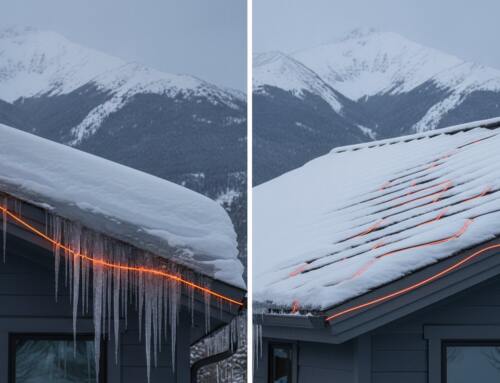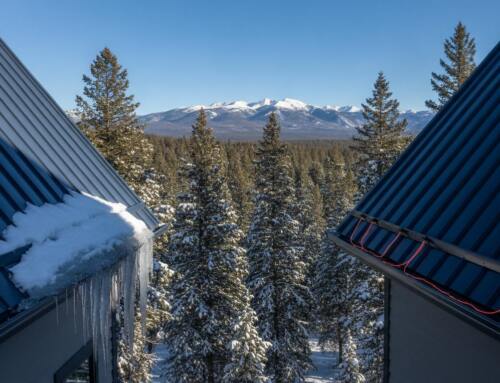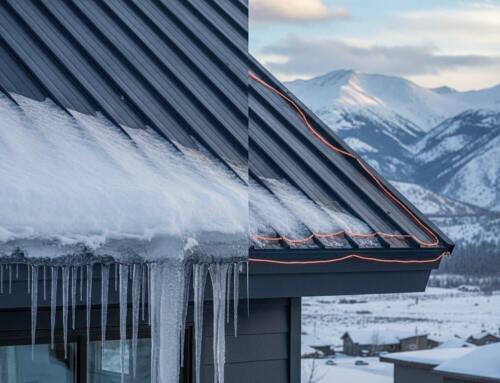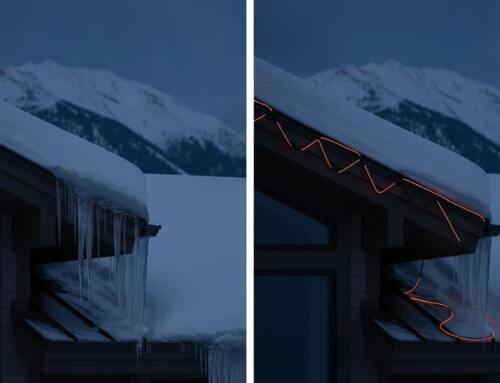
Your snow removal contract isn’t just a seasonal expense; it’s a recurring liability that physically degrades your property every time the plow blade hits the pavement. Most business owners in the Intermountain West accept the rising costs of professional plowing and the inevitable salt damage as the standard price of doing business. You’ve likely felt the stress of checking the forecast at 3:00 AM, wondering if the lot will be clear before the first employee arrives or if a hidden patch of ice will lead to a costly slip-and-fall claim. It’s a reactive cycle that prioritizes temporary fixes over long-term property protection.
Investing in commercial driveway heating changes that dynamic by turning your infrastructure into a self-maintaining asset. This guide explores how a professional-grade snow melt system protects your commercial property from liability, reduces maintenance costs, and ensures 24/7 accessibility during our harshest winters. We’ll walk through the technical requirements of the 2026 NEC, compare the efficiency of different cable types, and explain why automated de-icing is the most reliable way to maintain a safe environment without the constant need for heavy machinery or corrosive chemicals.
Key Takeaways
- Understand how automated snow melt systems mitigate the high cost of slip-and-fall liability and protect your property from salt damage.
- Learn the technical differences between self-regulating and constant wattage cables to ensure your system handles heavy commercial loads reliably.
- Discover how specialized installation techniques protect pavement integrity across concrete, asphalt, and paver surfaces during extreme temperature shifts.
- Evaluate the long-term ROI of commercial driveway heating by comparing the expense of seasonal plowing contracts against the precision of an automated system.
- Explore why custom-designed heat zones and code-compliant electrical engineering are essential for high-traffic commercial environments in the Intermountain West.
The High Stakes of Snow Management: Why Utah Businesses Invest in Driveway Heating
Managing a commercial property in the Intermountain West requires more than a standard maintenance budget. It demands a strategy for the months when ice and snow dictate your operational flow. Traditional snow removal methods are often reactive; they involve waiting for the storm to peak before dispatching a plow. By the time the blade hits the asphalt, the damage is already underway. For property managers, the goal isn’t just to move snow. It’s to maintain a safe, accessible environment that protects the business from liability while preserving the physical life of the pavement.
Liability and Risk Management for Commercial Properties
Business owners have a specific legal duty of care to maintain safe pathways for employees, clients, and vendors. In regions prone to heavy snowfall, a lack of awareness regarding icy conditions isn’t a valid legal defense. A documented commercial driveway heating system provides a proactive layer of protection that manual labor simply can’t match. When your entrance remains dry and clear throughout a storm, you significantly reduce the risk of slip-and-fall incidents. Many insurance providers recognize this reduction in risk. Because the likelihood of a high-dollar claim drops when the human element of manual clearing is removed, a professional snow melt system can be a key factor in managing insurance costs. The cost of a single lawsuit far exceeds the investment in a reliable heating solution, making it a logical choice for risk mitigation.
Pavement Longevity: Salt vs. Heat
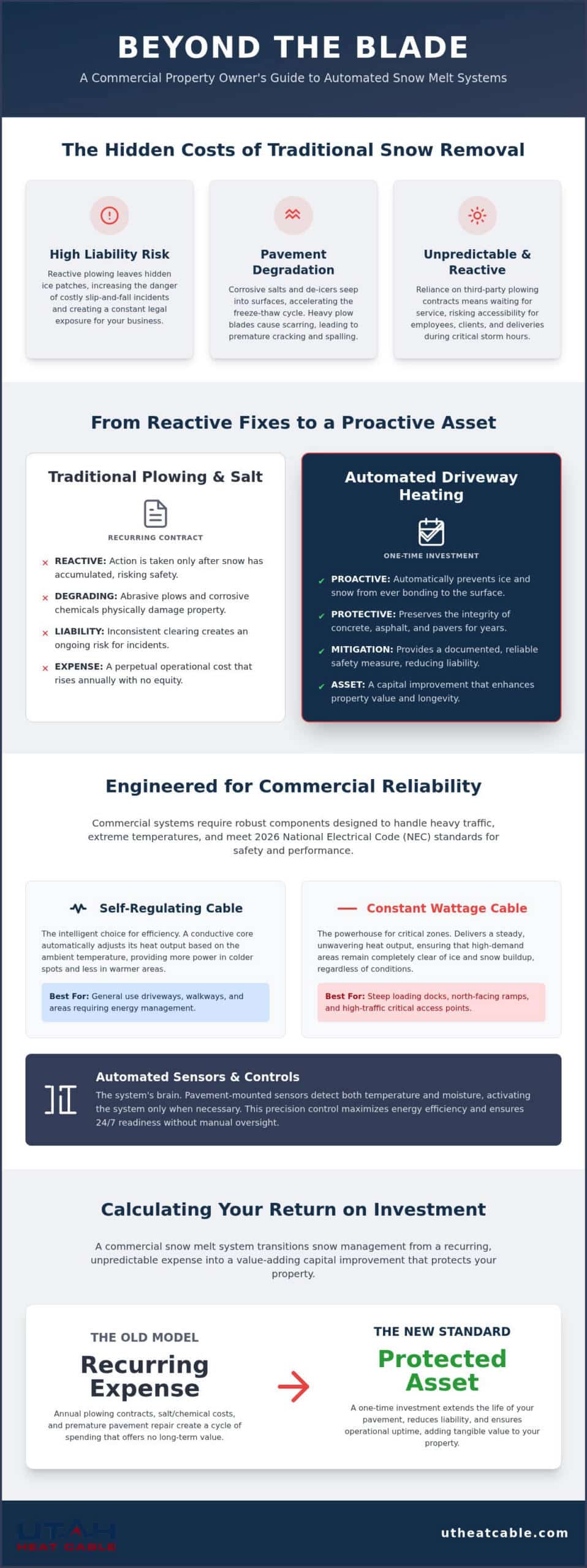
The true cost of traditional snow management is often hidden in the degradation of your physical assets. Salt and chemical de-icers are highly corrosive. They seep into the porous structure of concrete and asphalt, accelerating the “freeze-thaw” cycle. As water enters these pores, freezes, and expands, it creates internal pressure that eventually leads to spalling and deep cracks. Along with chemical damage, heavy plow blades frequently cause “curb rash” and surface scarring that requires premature resurfacing. An integrated Snowmelt system maintains a consistent surface temperature, preventing ice from ever bonding to the pavement. This thermal stability preserves the integrity of the substrate. It extends the lifespan of your driveway by years while ensuring 24/7 accessibility for deliveries and staff. By utilizing commercial driveway heating, you eliminate the need for abrasive machinery and harsh chemicals, protecting your property from the ground up.
Commercial Driveway Heating Components: Engineering for Reliability
Engineering a commercial snow melt system involves more than just laying down wire. It’s a sophisticated electrical project that must withstand heavy vehicle traffic and extreme temperature fluctuations. To ensure long-term reliability, every component, from the heating elements to the control panels, must be sized for the specific demands of a professional property. Professional-grade commercial driveway heating requires a specialized approach that focuses on high-wattage output and robust power distribution that meets the 2026 National Electrical Code (NEC).
Heating Cable Selection: Durability and Performance
Commercial systems typically require a higher wattage per square foot than residential driveways because they must compensate for larger heat sinks and faster snow accumulation. Self-regulating cables are a staple in these designs. They utilize a conductive core that adjusts its resistance as the temperature drops, providing more heat when it’s cold and less when it’s warm. This prevents overheating and helps manage operational costs. However, constant wattage cables are often the superior choice for high-demand zones, such as steep loading docks or north-facing ramps, where a steady and unwavering heat output is necessary to prevent ice formation. Recent research on heated pavements suggests that the longevity of these systems depends heavily on matching the cable type to the specific thermal properties of the surface material.
Automation and Sensors: Maximizing Efficiency
A commercial system is only as good as the data it receives. While a simple thermostat might work for a small porch, commercial driveway heating demands advanced sensor technology to remain cost-effective. Aerial sensors detect falling snow and moisture, while in-ground sensors monitor the actual temperature of the pavement to ensure the system doesn’t run unnecessarily. By integrating these sensors with a smart controller, you can manage the entire system through a Building Management System (BMS) or a smartphone. The controller’s idle mode maintains a baseline temperature just below freezing to ensure a rapid response, while the active mode ramps up power the moment moisture is detected to melt snow on contact.
Because these systems are classified as a continuous load under NEC Article 426, the circuits must be sized at 125% of the calculated load. This often requires a dedicated power distribution panel and potentially an upgrade to your facility’s electrical service. Working with a licensed electrical contractor ensures that your installation includes the necessary Ground-Fault Protection of Equipment (GFPE) and complies with all local safety standards. This level of precision is what separates a temporary fix from a decades-long infrastructure solution.
Surface Compatibility: Concrete, Asphalt, and Paver Snow Melting
The success of a commercial driveway heating system depends heavily on the material covering the heating elements. Each surface type has distinct thermal properties and installation requirements that dictate how the system must be engineered. While electric cable is the most frequent choice for these projects, some specialized industrial facilities may look into geothermal snow melting systems if they have access to existing heat sources. For the majority of commercial properties in the Intermountain West, the decision typically involves concrete, asphalt, or stone pavers.
Concrete and Asphalt: Technical Installation Differences
Concrete is widely regarded as the gold standard for commercial snow melting because of its excellent heat distribution and durability. During the installation process, cables are secured to rebar or wire mesh with plastic zip ties. This keeps the heating element at a consistent depth, usually two to three inches below the surface, ensuring the heat radiates evenly across the slab. Asphalt installations require a more specialized approach. Because asphalt is applied at high temperatures, it can damage standard heating cables. For these applications, we utilize high-temperature cables designed to withstand the heat of hot-mastic applications. One of the most important technical details in these installations is how the cable crosses expansion joints. If the cable isn’t protected with a sleeve or a specific loop, the natural shifting of the pavement can eventually snap the heating element, leading to system failure.
Heated Pavers for High-End Commercial Entrances
Paver driveways allow businesses to maintain a high-end aesthetic while providing the safety of an ice-free entrance. In these systems, the heating cable is usually embedded in a sand bed or a mortar bed directly beneath the pavers. This requires a robust sub-base to ensure proper drainage. Because pavers are porous, moisture must be able to move away from the heating zone quickly to prevent pooling or refreezing at the edges. A major benefit of using pavers is long-term repair accessibility. If a section of the system ever needs service, individual pavers can be removed and replaced without the need to cut into and patch a solid slab of concrete or asphalt. This makes pavers a practical choice for high-traffic retail centers and professional offices.
Property managers often ask if it’s possible to retrofit commercial driveway heating into an existing surface. In most cases, it isn’t practical or cost-effective. The heating elements must be fully embedded within the paving material to transfer heat efficiently to the surface. For businesses with aging infrastructure, the most strategic time to install a snow melt system is during a planned pavement replacement or new construction. This allows for a custom design that ensures the system is protected and performs at peak efficiency for decades.
Calculating ROI: Is Commercial Driveway Heating Worth the Investment?
For many property managers, the decision to install a snow melt system comes down to a simple question of economics. While the upfront costs are higher than a single season of plowing, the transition from a reactive expense to a proactive investment creates a more stable financial outlook. Traditional snow removal is a “sunk cost” that leaves nothing behind but worn pavement and salt-damaged landscaping. In contrast, commercial driveway heating acts as a permanent infrastructure upgrade that pays dividends through asset protection and operational uptime. When you eliminate the need for a plow to visit your site twenty times a season, you aren’t just saving on service fees; you’re stopping the physical destruction of your driveway before it starts.
Operational Costs and Energy Management
A common concern for business owners is the ongoing cost of electricity. However, modern systems are significantly more efficient than the manual “on-off” switches of the past. By utilizing smart controllers and automated sensors, the system only draws power when moisture is detected at freezing temperatures. In Utah, where commercial power rates can fluctuate based on peak demand, these controllers can be programmed to manage the load effectively. For a typical 1,000 square foot commercial entrance, industry data suggests seasonal operating costs range between $300 and $600, depending on the severity of the winter. This is often a fraction of the cost of a comprehensive professional plowing and salting contract. By scheduling heating cycles to avoid on-peak power charges, businesses can maintain a clear facility while keeping utility bills predictable and manageable.
Long-Term Financial Benefits
The financial impact of commercial driveway heating extends far beyond the winter months. One of the most significant “hidden” savings is the “Salt Savings.” Chemical de-icers don’t just damage the pavement; they are tracked into your building, where they destroy carpets, etch tile floors, and require constant professional cleaning. By maintaining a dry surface through heat, you eliminate these secondary maintenance costs. Additionally, removing the physical impact of a plow blade can extend the life of your asphalt or concrete by up to 100%, effectively doubling the time between expensive resurfacing projects. The financial break-even point for a professional snow melt system is typically realized within 8 to 12 years in areas with heavy snowfall and high recurring snow removal costs. Beyond these direct savings, a heated entrance increases the overall market value of the property and ensures that loading docks and parking areas remain 100% accessible, preventing revenue loss from weather-related closures.
If you are ready to stop managing snow and start protecting your property, you can request a custom ROI analysis for your commercial facility to see how the numbers work for your specific location.
Custom Commercial Design with Utah Heat Cable
Commercial infrastructure isn’t something you can buy in a pre-packaged box. Unlike residential projects where a standard mat might suffice, a professional commercial driveway heating system requires precise electrical engineering to handle the unique loads of a business facility. At Utah Heat Cable, we don’t just sell components; we design integrated solutions that account for the specific traffic patterns and architectural requirements of your property. By customizing heat zones, we can prioritize power to critical areas like steep loading docks and main guest entrances while managing energy consumption in lower-priority zones. This targeted approach ensures that your most vital pathways remain clear even during the most aggressive Intermountain West storms.
The Utah Heat Cable Advantage
As a licensed electrical contractor, our expertise goes beyond the surface level. We understand the complexities of local power grids and the stringent requirements of the National Electrical Code (NEC). Our team works directly with architects and general contractors during the planning phase to ensure that the electrical infrastructure is ready to support the system’s demand. This collaboration is essential for large-scale projects in Utah, Idaho, and Wyoming, where regional climate variations demand different thermal responses. We take pride in delivering a system that isn’t just functional, but also fully code-compliant and built for long-term durability. Our turnkey process covers every stage of the project, from the initial blueprint design to the final system testing, giving property managers a single point of accountability.
Getting Started with Your Commercial Project
Every successful installation begins with a comprehensive site audit. We evaluate your current power capacity, analyze the existing or planned surface conditions, and identify potential challenges before they become expensive change orders. This methodical preparation allows us to provide a custom quote with transparent pricing, ensuring there are no hidden fees as the project progresses. Because we’re local specialists who understand the gravity of a failed system in mid-January, we stand behind our work with a commitment to precision and ongoing support. If you’re ready to secure your property against the next winter season, Contact Utah Heat Cable for a Commercial Consultation. We’ll help you transition from the uncertainty of manual snow removal to the reliability of professional-grade commercial driveway heating.
Securing Your Property for Future Winters
Transitioning from reactive snow removal to a proactive infrastructure solution is a strategic move for any commercial property owner. By integrating commercial driveway heating, you eliminate the high-stakes risks of slip-and-fall liability while significantly extending the life expectancy of your pavement. You’ve seen how automated controllers and professional-grade cables provide a more reliable return on investment than seasonal plowing contracts. These systems don’t just melt snow; they protect your building’s interior from salt damage and ensure your business remains accessible every hour of the day.
As a licensed electrical contractor and custom design specialist, Utah Heat Cable understands the unique environmental challenges of the Intermountain West. We provide code-compliant, durable solutions for facilities across Utah, Idaho, and Wyoming. If you’re ready to stop fighting the elements and start securing your property, we’re here to help you design a system that lasts for decades. Your property deserves the peace of mind that comes with professional-grade protection.
Request a Professional Commercial Snow Melt Quote
Frequently Asked Questions
How much does it cost to operate a commercial heated driveway in Utah?
Seasonal operating costs for a 1,000 square foot area typically range between $300 and $600 depending on the severity of the winter and local utility rates. These costs are managed through automated sensors that ensure the system only draws power during active precipitation. By preventing ice from bonding to the surface, you avoid the recurring fees associated with salt applications and emergency plowing services.
Can a snow melt system be installed under existing asphalt or concrete?
Retrofitting a heating system into an existing solid surface is generally not feasible or cost-effective. Because the heating cables must be embedded within the material to transfer heat efficiently, the best time for installation is during a complete driveway replacement or new construction project. If you’re planning a surface upgrade, it’s the ideal window to integrate a commercial driveway heating solution into your infrastructure.
What happens if a heating cable is damaged under the pavement?
If a cable is damaged, specialized diagnostic equipment can locate the exact point of the break without tearing up the entire driveway. For paver systems, the repair is simple because individual stones can be removed and replaced. For concrete or asphalt, a small section is carefully removed to splice the cable before being patched. Correct installation with protective sleeves at expansion joints significantly reduces the risk of these failures.
How long does a commercial driveway heating system typically last?
A professionally installed electric snow melt system has a life expectancy of 30 to 50 years. Since there are no moving parts and the cables are protected by the pavement, the system requires very little maintenance over its lifespan. This longevity makes it a durable asset that often outlasts the surface material itself, providing a reliable safety shield for your property through decades of winter cycles.
Does the system require manual activation when it starts snowing?
No, professional commercial systems are fully automated to ensure 24/7 accessibility. Advanced aerial and in-ground sensors detect the exact moment moisture is present at freezing temperatures, triggering the system to activate immediately. This proactive approach prevents snow from accumulating and ice from forming, which is more efficient than trying to melt a thick layer of snow after it has already fallen.
Are there specific electrical requirements for commercial snow melting?
Commercial systems must comply with NEC Article 426, which classifies them as a continuous load. This requires the circuits to be sized at 125% of the calculated load and mandates the use of Ground-Fault Protection of Equipment (GFPE). Large-scale commercial driveway heating projects often require a dedicated power distribution panel and may necessitate an upgrade to 400-amp service to handle the increased electrical demand safely.
Can you heat just the tire tracks or the entire parking lot?
You can choose to heat only specific high-traffic zones, such as tire tracks, ramps, or pedestrian walkways, to manage installation and operating costs. While track heating is a practical solution for long access roads, most commercial properties opt for full-width coverage in parking areas and entrances. This ensures a completely dry surface, which is essential for reducing slip-and-fall liability and providing a professional appearance for clients.
Is a heated driveway safer than using salt and sand?
A heated system is significantly safer because it eliminates the thin, transparent layer of “black ice” that salt often leaves behind. While salt and sand are reactive and depend on consistent manual application, a snow melt system provides constant protection. It keeps the pavement dry throughout the storm, ensuring that your facility remains safe for pedestrians and vehicles without the use of corrosive chemicals that damage your property.